Why is my cat sleeping so much? Have you noticed your cat spending most of the day curled up on the sofa, sleeping beside the radiator, or resting in a cozy corner? Cats naturally enjoy sleeping, but if your cat seems less active than usual, you may wonder whether this change is normal or a sign of a health problem.
Most adult cats sleep around 12–16 hours a day, although some may sleep longer. Kittens and older cats often need more rest. Their sleeping habits can vary depending on their age, activity level and daily routine. Many cats are more active in the early morning and evening, so spending much of the day asleep is not necessarily a reason to worry.
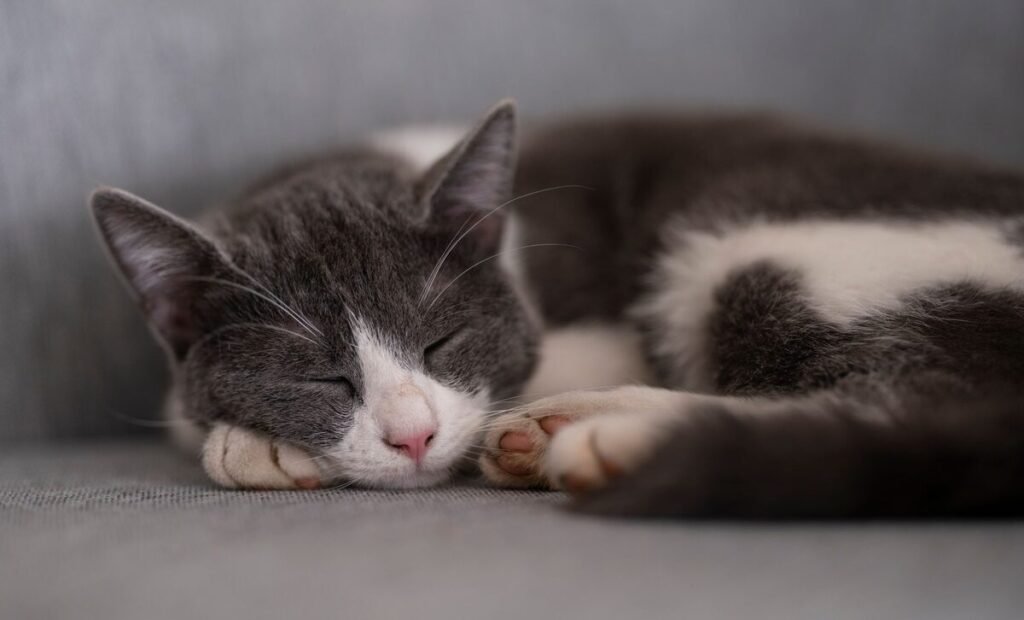
The important thing is to notice changes in your cat’s usual behavior. A cat that sleeps for most of the afternoon but wakes up for meals, grooming and play may be perfectly healthy. However, if your cat suddenly starts sleeping more, loses interest in favorite activities or seems unusually weak, it could be a sign of an underlying health problem. Changes in appetite, thirst or litter box habits are worth paying attention to as well.
In this guide, we’ll explain how much sleep cats need, why they may sleep more than usual, and how to recognize the difference between normal rest and possible illness. You’ll learn which warning signs to watch for and when it’s best to contact your vet.
Why Is My Cat Sleeping So Much?
If your cat seems to spend most of the day sleeping, you might wonder whether they are getting too much rest. In many cases, this is perfectly normal. Cats naturally sleep for long periods, and their sleeping habits depend on their age, activity level, surroundings and overall health. However, if your cat suddenly starts sleeping more than usual, it is worth paying attention to this change.
Unlike humans, cats do not usually sleep for one long stretch at night. They take several naps throughout the day and night, waking up to eat, explore their surroundings, groom themselves or play. You might find your cat sleeping on the sofa in the afternoon and becoming more active in the early morning or evening. This pattern is a normal part of feline behavior.
Your cat’s age and daily routine can influence how much they sleep. Kittens need plenty of rest as they grow and develop, while older cats may spend more time resting than they did when they were younger. Indoor cats may sleep more when their environment offers little activity or stimulation. Providing toys, climbing spaces and short play sessions can help keep your cat physically and mentally active.
The key is to notice what is normal for your cat. If they wake up easily, eat well, groom themselves and show interest in their usual activities, their sleeping habits may not be a concern. However, if your cat suddenly becomes less active, seems unusually weak, stops eating or loses interest in things they normally enjoy, contact your vet. These changes can sometimes indicate an underlying health problem.
How Many Hours a Day Do Cats Normally Sleep?
If you’re asking yourself, “Why is my cat sleeping so much?”, it helps to understand how many hours cats normally sleep. Most adult cats sleep for around 12–16 hours a day, although some may sleep longer. The amount of rest a cat needs depends on factors such as age, health and activity level. Kittens need plenty of sleep as they grow, while older cats may spend more time resting.
Unlike humans, cats do not usually sleep for one long period at night. Instead, they take several short naps throughout the day and night. Your cat might doze on the sofa, wake up to eat or explore the house, and then settle down for another nap. Some naps are light, allowing cats to wake up quickly when they hear a familiar sound.
Cats are often more active around dawn and dusk. This behavior is linked to their natural hunting instincts, as these times can provide opportunities to search for prey. Although domestic cats usually get their food from their owners, they still retain many of these natural behaviors. This is why your cat might become playful in the early morning or evening after spending much of the day resting.
If your cat has always enjoyed long naps, wakes up normally and continues eating, grooming and playing as usual, their sleeping routine may be perfectly healthy. However, if your cat suddenly starts sleeping more than usual or seems unusually tired, pay attention to the change. Signs such as reduced appetite, weakness or less interest in everyday activities may indicate a health problem, so contact your vet if you notice these changes.
How Much Do Kittens Sleep?
Kittens need plenty of sleep because their bodies and brains are still developing. Very young kittens may sleep for around 18–20 hours a day, although the amount varies with age and individual needs. They wake up for feeding and short periods of activity before settling down to rest again. As they grow, they gradually spend more time exploring their surroundings and playing.
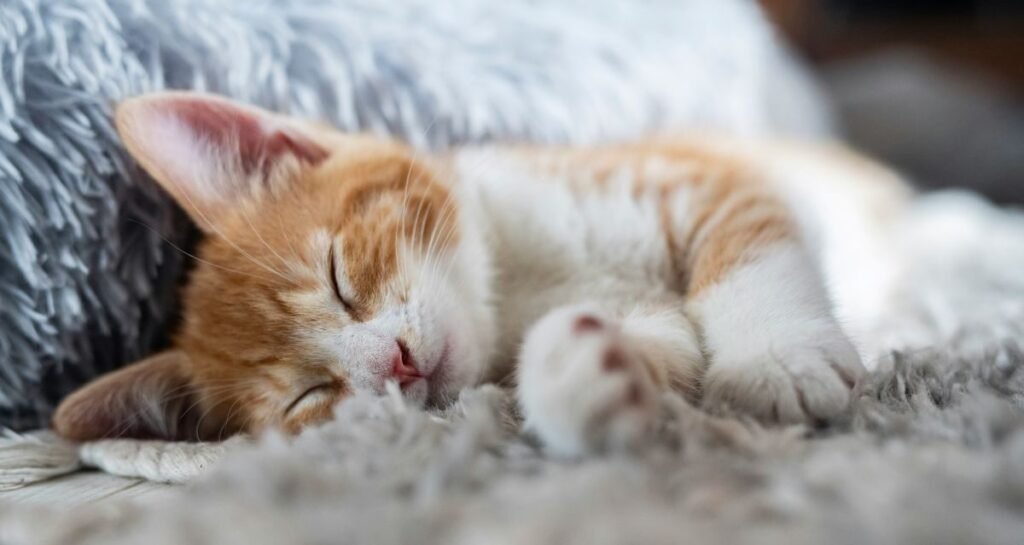
You may notice your kitten racing around the room, chasing toys or jumping onto furniture before suddenly curling up for a nap. This pattern of energetic play followed by rest is common in young cats. Sleep helps kittens recover after activity and supports their normal growth and development.
A kitten’s sleeping habits change as it gets older. Younger kittens generally need more rest, while older kittens often spend longer periods awake, exploring their surroundings and interacting with people or other pets. Providing a safe, quiet and comfortable sleeping area helps your kitten rest without unnecessary disturbance.
Although kittens naturally sleep for long periods, pay attention to how they behave when awake. A healthy kitten should generally respond to its surroundings and show interest in feeding. If your kitten is unusually weak, refuses food, struggles to feed or is difficult to wake, seek veterinary advice promptly because young kittens can become seriously unwell quickly.
If you’re preparing to welcome a kitten into your home, our New Kitten Checklist UK Guide covers essential supplies and practical preparations for their first days.
How Much Do Adult Cats Sleep?
Healthy adult cats commonly sleep for around 12–16 hours a day, although some naturally sleep longer. Their daily routine often includes several periods of light sleep, short bursts of activity and occasional deeper rest. Indoor cats may spend more time sleeping during quiet parts of the day, particularly when everyone in the household is busy or away.
An adult cat that enjoys regular play, eats normally and responds to familiar sounds is generally less concerning than one that suddenly loses interest in everyday activities. For example, a cat that sleeps throughout the afternoon but becomes alert when you prepare dinner may simply be following its usual routine.
It is helpful to become familiar with your own cat’s sleeping habits rather than comparing them too closely with those of another pet. Two healthy cats living in the same household may have noticeably different sleep patterns because of their age, temperament and activity levels. What matters most is whether your cat’s behaviour remains consistent or changes unexpectedly.
Why Do Senior Cats Sleep More?
As cats grow older, many become less active and spend more time resting. They may prefer shorter play sessions, move around the house more slowly or choose comfortable sleeping places that are easy to reach. These changes can be part of ageing, but a noticeable change in your cat’s usual sleeping habits should not automatically be dismissed as normal.
Older cats are more likely to develop health problems that affect their comfort and activity levels. Arthritis can make jumping or climbing painful, while dental disease and kidney problems may affect their general wellbeing. If your senior cat stops jumping onto favorite furniture, seems reluctant to move or starts hiding more often, it may be a sign of discomfort rather than simply a need for extra sleep.
Regular veterinary check-ups are particularly valuable for senior cats because some health problems can develop gradually and may not be obvious at home. If your older cat’s sleep patterns change noticeably, especially alongside weight loss, changes in appetite or reduced mobility, arrange a veterinary examination. Paying attention to these changes can help you identify potential problems and support your cat’s comfort as they age.
Why Do Cats Sleep So Much During the Day?
If you’re wondering “Why is my cat sleeping so much?”, your cat’s natural sleeping habits may help explain this behavior. Cats need plenty of rest between activities such as running, climbing, jumping and playing. Sleep helps them recover their energy, even when they live indoors and do not need to hunt for food.
Cats are often more active around dawn and dusk because these times are linked to their natural hunting instincts. As a result, your cat may sleep for much of the afternoon and become playful in the early morning or evening. This routine is common in many healthy cats.
Their surroundings can influence their sleeping habits, too. Warm, quiet places, such as sunny windowsills, soft blankets and comfortable beds, often provide ideal spots for a nap. Indoor cats may spend more time resting when their environment is quiet or they have fewer opportunities to play and explore.
However, it is important to recognise changes in your cat’s usual routine. If your cat suddenly sleeps more than normal, seems unusually tired, loses interest in play or eats less, contact your vet. These changes may indicate an underlying health problem rather than normal resting behavior.
Is My Cat Sleeping Too Much or Just Being Lazy?
It’s tempting to describe a cat that sleeps all day as lazy, especially when they show little interest in toys or spend hours curled up in one place. However, cats have different sleeping patterns from humans, and long periods of rest are not necessarily a sign of illness.
A healthy cat may sleep for much of the day but still respond to interesting sounds, wake up when food is being prepared or approach you for attention. Their appetite, grooming habits and litter tray routine should generally remain consistent.
An unwell cat may seem unusually tired even when awake. They might ignore their favourite toys, move reluctantly or show less interest in their surroundings. These changes can sometimes indicate an underlying health problem.
Your cat’s usual behaviour is an important guide. If a normally active cat suddenly becomes withdrawn or loses interest in everyday activities, pay attention to the change and contact your vet if you are concerned.
Normal Cat Sleep vs Lethargy: What’s the Difference?
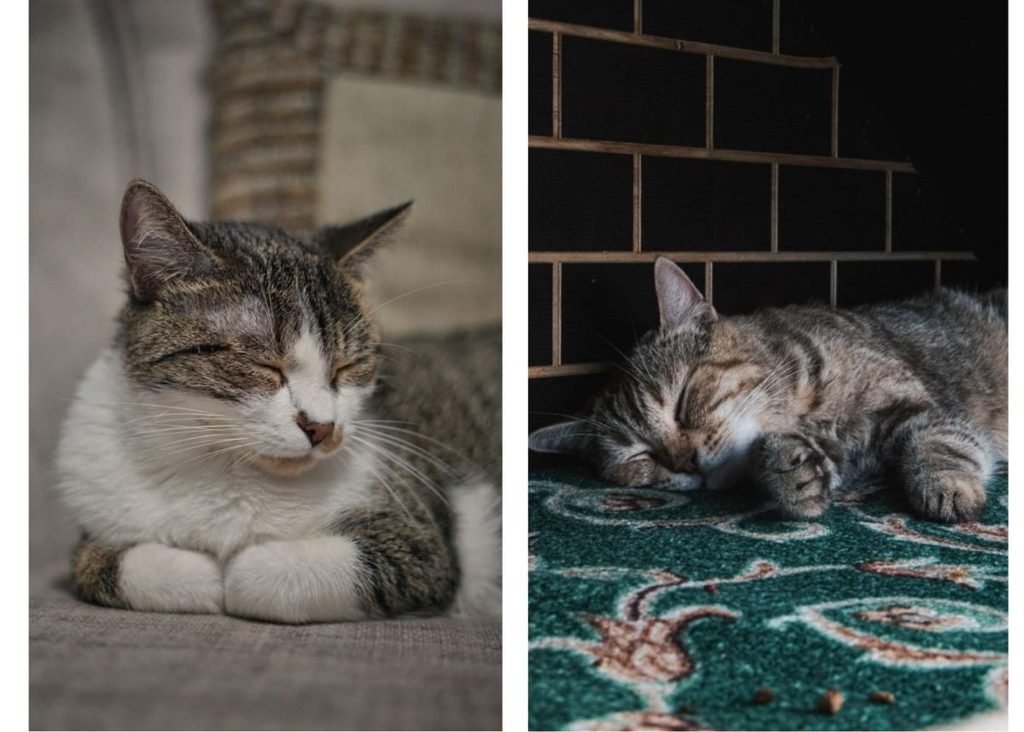
Cats naturally sleep for around 12–16 hours a day, although kittens and older cats may sleep even longer. The main difference between normal sleep and lethargy is how a cat behaves when it wakes up. A cat that has rested well will usually return to its normal activities, while a lethargic cat may remain unusually weak, inactive or uninterested in its surroundings.
Normal cat sleep vs lethargy:
- Energy levels: A normally sleeping cat becomes alert and may walk around or play after waking. A lethargic cat may continue to appear weak or unusually tired.
- Response to surroundings: A healthy, sleepy cat generally responds to familiar sounds, food and attention. A lethargic cat may respond less than usual or show little interest in what is happening around it.
- Appetite and daily habits: A cat that is sleeping normally usually maintains its usual eating, drinking and grooming habits. A lethargic cat may eat less, groom less often or show changes in litter box habits.
- Interest in play: After resting, a healthy cat may explore, play or interact with its owner. A lethargic cat may avoid these activities, even when fully awake.
- Other symptoms: Normal sleep does not usually cause additional symptoms. Lethargy accompanied by vomiting, diarrhea or unusual thirst may indicate an underlying health problem.
Why Is My Cat Suddenly Sleeping More Than Usual?
If your cat has suddenly started sleeping more than usual, it is worth paying attention to this change. Cats naturally sleep for many hours a day, but a noticeable change in their routine may be linked to age, stress, activity levels or health problems. Older cats may rest more as they age, while changes such as moving home or introducing a new pet can affect their sleeping habits.
Sometimes, increased sleep can be a sign of pain or an underlying health problem. Conditions such as arthritis may make movement uncomfortable, while infections and other illnesses can cause unusual tiredness. You may notice that your cat no longer enjoys playing, avoids jumping onto furniture or spends more time hiding. These changes are particularly important if they appear suddenly.
Pay attention to other symptoms, such as reduced appetite, weight loss, vomiting or increased thirst. If your cat is sleeping much more than usual or seems unusually tired, contact your vet for advice. Seek urgent veterinary care if your cat is difficult to wake, collapses or has difficulty breathing.
1. Boredom and Lack of Stimulation
Cats need opportunities to play, explore and use their natural hunting instincts. When they spend most of the day indoors without enough activities or interaction, they may become bored and spend more time resting. However, sleeping more does not always mean a cat is bored.
Here are some ways to keep your cat active:
- Interactive toys: Encourage your cat to chase and pounce during playtime.
- Puzzle feeders: Make mealtimes more engaging by letting your cat work for some of its food.
- Climbing spaces: Provide a cat tree or safe places to explore.
- Window views: Let your cat watch outdoor activity from a secure window.
- Daily play: Spend time interacting with your cat each day.
If your cat suddenly becomes less active or sleeps noticeably more than usual, consult your vet rather than assuming boredom is the cause.
2. Cold Weather and Seasonal Changes
Cold weather and seasonal changes can influence your cat’s daily routine. During colder months, cats may prefer warm, comfortable places and spend more time resting indoors. However, cold weather alone does not explain every change in sleeping habits.
Here are some ways to keep your cat comfortable during colder months:
- Provide a warm bed: Choose a dry, cosy place away from cold draughts.
- Encourage indoor play: Use toys to keep your cat active when outdoor activity is limited.
- Maintain a routine: Keep feeding and playtimes consistent.
- Monitor behavior: Watch for unusual tiredness, reduced appetite or changes in activity.
If your cat suddenly sleeps much more than usual or seems unusually weak, do not assume the weather is responsible. Contact your vet for advice, especially if other symptoms appear.
3. Stress or Changes in the Home
Stress caused by changes at home can affect your cat’s behavior, activity levels and sleeping habits. Cats prefer familiar surroundings and predictable routines, so moving to a new home, introducing another pet or having unfamiliar visitors may make them feel unsettled. This can sometimes explain why is my cat sleeping so much, although stress is not the only possible cause.
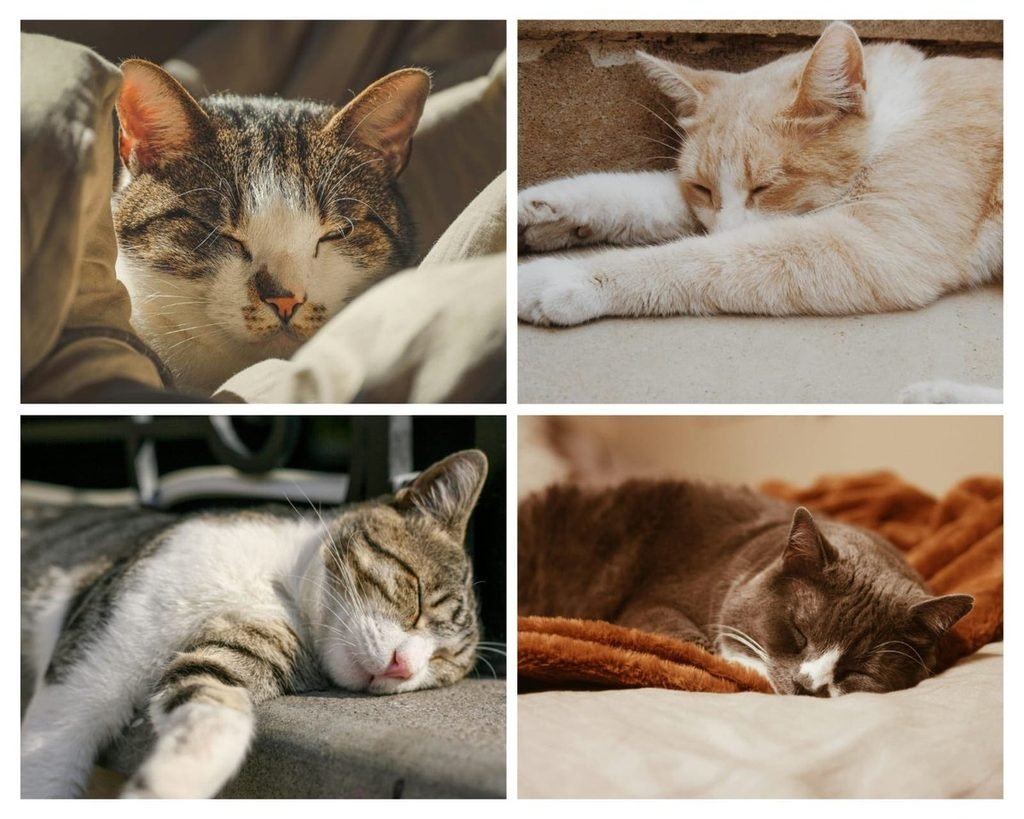
Common causes of stress in cats include:
Moving home: New surroundings, smells and sounds can make cats feel insecure.
New pets: Sharing space with another animal may take time to adjust to.
Changes in routine: Different feeding times or less attention can disrupt familiar habits.
Loud noises: Visitors, parties or construction sounds may cause cats to hide.
To help your cat feel secure, provide a quiet resting place, maintain a consistent routine and introduce changes gradually. If your cat suddenly sleeps much more than usual, eats less or loses interest in play, contact your vet to rule out an underlying health problem.
4. Pain or Discomfort
Pain or discomfort can sometimes explain why a cat suddenly sleeps more than usual. Cats are good at hiding pain, so you may notice changes in their daily behavior rather than obvious signs of injury. Conditions such as arthritis, wounds or other health problems can make movement uncomfortable and reduce a cat’s interest in playing.
Common signs of pain or discomfort in cats include:
- Sleeping more than usual or hiding frequently.
- Hesitating before jumping onto furniture.
- Moving slowly or appearing stiff after resting.
- Eating less or grooming less than usual.
- Becoming irritable when touched or picked up.
If your cat shows these signs, contact your vet for an examination. Do not give human painkillers, as some medicines can be highly toxic to cats. Early veterinary advice can help identify the cause and provide appropriate treatment.
5. Infection or Other Illness
Infections and other health problems can cause a cat to sleep more than usual and feel less energetic. When cats are unwell, they may spend more time resting and show less interest in playing, eating or interacting with their owners. The symptoms can vary depending on the underlying condition.
Common signs of illness in cats include:
- Reduced appetite: Eating less than usual or refusing food.
- Vomiting or diarrhea: Digestive problems that may indicate illness.
- Sneezing or watery eyes: Possible signs of a respiratory infection.
- Increased thirst: Drinking more water than usual.
- Unusual tiredness: Appearing weak, withdrawn or less responsive.
If your cat suddenly sleeps much more than usual and develops other symptoms, contact your vet promptly. Seek urgent veterinary care if your cat has difficulty breathing, collapses or is difficult to wake. A veterinary examination can help identify the cause and determine the appropriate treatment.
Medical Conditions That Can Cause Excessive Sleeping in Cats
Sometimes, increased sleeping is associated with an underlying medical condition rather than a change in routine. Many illnesses can reduce a cat’s energy levels, but the symptoms often overlap, making it difficult to identify the cause at home.
It’s important to remember that sleeping more than usual doesn’t automatically mean your cat has one of the conditions below. These are examples of health problems that may cause tiredness or reduced activity, not diagnoses based on sleeping habits alone.
Kidney Disease
Kidney disease can affect how well a cat’s kidneys remove waste from the blood. It is more common in older cats and may cause tiredness, reduced activity and changes in sleeping habits.
Other signs may include increased thirst, frequent urination, reduced appetite, weight loss and vomiting. Blood in the urine can also indicate a urinary tract problem or, less commonly, a kidney-related condition.
If your cat sleeps more than usual and shows these symptoms, contact your vet for an examination. Blood and urine tests can help identify the cause. If your cat repeatedly strains to urinate but produces little or no urine, seek emergency veterinary care.
Diabetes
Diabetes is a condition in which a cat’s body cannot use insulin properly to control blood sugar levels. It can affect your cat’s energy and may cause tiredness or reduced activity.
Common signs include increased thirst, frequent urination, weight loss despite a good appetite, and weakness. Some cats may also appear less active than usual.
If your cat is sleeping more than usual and showing these signs, contact your vet. Blood and urine tests can help diagnose diabetes, and early treatment can help manage the condition.
Anemia
Anemia occurs when a cat has fewer healthy red blood cells than normal. These cells carry oxygen around the body, so anemia can make a cat feel weak and tired.
Common signs include low energy, pale gums, weakness, reduced appetite and faster breathing. Some cats may sleep more than usual or show less interest in playing.
If your cat shows these signs, contact your vet for an examination. Anemia can have several causes, including blood loss, parasites and certain illnesses. Your vet may recommend blood tests to identify the cause and decide on the right treatment.
Thyroid Problems
Why is my cat sleeping so much? Thyroid problems can affect a cat’s energy levels and sleeping habits, particularly in older cats. However, hyperthyroidism usually causes increased activity or restlessness rather than excessive sleep.
Other signs may include weight loss despite a good appetite, increased thirst, frequent urination, vomiting or changes in behavior. These symptoms can vary between cats.
If your cat is sleeping more than usual and showing other unusual signs, contact your vet. Blood tests can help identify thyroid problems and determine the appropriate treatment.
Heart Disease
Heart disease can affect a cat’s energy levels and make it less active than usual. Some cats may sleep more or show less interest in playing, although these signs can also occur with other health conditions.
Other warning signs include rapid breathing, difficulty breathing, weakness and reduced appetite. Some cats may not show obvious symptoms in the early stages of heart disease.
If your cat seems unusually tired or shows changes in its normal behavior, contact your vet for an examination. If your cat has difficulty breathing or breathes with its mouth open, seek emergency veterinary care immediately.
Why Is My Cat Sleeping More and Eating Less?
If your cat is sleeping more than usual and eating less, it may be a sign that something is affecting their health. Cats naturally sleep for many hours each day, but a noticeable change in appetite and energy should not be ignored.
Several factors can cause these changes, including stress, dental pain, digestive problems, infections or other medical conditions. Your cat may also eat less if nausea or mouth discomfort makes eating difficult. Since cats often hide signs of illness, it is important to pay attention to changes in their normal behavior.
If your cat continues to eat less or seems unusually tired, contact your vet for advice. If your cat has not eaten anything for 24 hours, seek prompt veterinary attention, and do so sooner if they are weak, repeatedly vomiting or having difficulty breathing. Early assessment can help identify the cause and prevent further complications.
Why Is My Cat Sleeping More and Hiding?
If your cat is sleeping more than usual and spending extra time hiding under the bed, behind furniture or in quiet corners, it may be feeling stressed or unwell. Although cats naturally seek quiet places to rest, a sudden change in sleeping habits and behavior deserves attention.
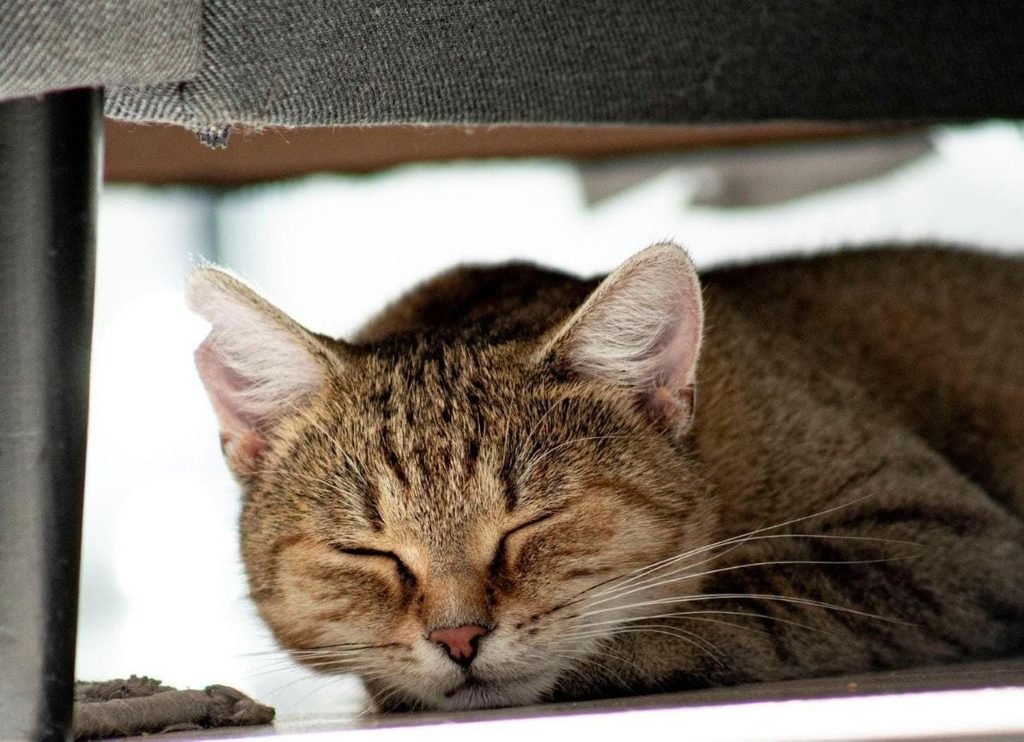
Stress, fear, pain and illness can all cause cats to withdraw from their usual activities. Changes at home, such as moving house, loud noises or introducing a new pet, may make a cat feel insecure. However, dental problems, injuries and other medical conditions can also cause increased sleeping and hiding.
Pay attention to your cat’s appetite, drinking habits, litter box use and energy levels. If the behaviour is new, continues or occurs alongside other symptoms, contact your vet for advice. Seek emergency veterinary care if your cat has difficulty breathing, collapses or cannot pass urine.
Why Is My Cat Sleeping All Day but Active at Night?
Cats often sleep for much of the day and become more active in the evening or early morning. This is partly because cats are naturally crepuscular, meaning they tend to be most active around dawn and dusk. Many cats also take several short naps throughout the day rather than sleeping for one long period.
Indoor cats may become more active at night if they have limited opportunities to play, explore or interact with their owners during the day. Hunger and an established feeding routine can contribute to nighttime activity as well. Regular play sessions during the day and an interactive play session followed by a meal before bedtime may help your cat settle into a more suitable routine.
If your cat has always followed this pattern and otherwise eats, plays and behaves normally, it may simply be part of their natural routine. However, if the behavior changes suddenly, particularly in an older cat, or comes with weight loss, reduced appetite, unusual vocalizing or signs of pain, arrange a veterinary check-up to rule out an underlying health problem
Why Is My Cat Sleeping More After Vaccinations or Medication?
Cats may sleep more than usual after vaccination because their bodies are responding to the vaccine. Mild tiredness, reduced activity and a slightly lower appetite can occur for a short time. Most mild reactions improve within 24–48 hours.
Some medications can also cause drowsiness or changes in behavior, depending on the medicine and its effects. If your cat becomes unusually sleepy after starting a new medication, contact your vet to check whether this could be a side effect. Do not stop prescribed medication or change the dose without veterinary advice.
Allow your cat to rest in a comfortable, quiet place and keep fresh water available. If the sleepiness worsens, lasts longer than 48 hours after vaccination or comes with a refusal to eat, contact your vet promptly. Difficulty breathing, facial swelling, repeated vomiting or collapse after vaccination requires emergency veterinary care.
When Should You Worry About a Cat Sleeping Too Much?
Cats naturally sleep for many hours each day, but a noticeable change in their usual sleeping habits can sometimes indicate a health problem. If your cat sleeps more than normal, seems unusually tired or loses interest in playing, pay attention to any other changes in behavior.
Warning signs include reduced appetite, weight loss, hiding more than usual, vomiting, changes in drinking habits and difficulty moving comfortably. If these symptoms appear alongside increased sleeping, contact your vet for an examination. Do not assume your cat is simply tired, especially if the changes are sudden or persistent.
Seek emergency veterinary care if your cat has difficulty breathing, collapses, is difficult to wake or repeatedly strains to urinate but produces little or no urine. Prompt veterinary attention can help identify serious problems and ensure your cat receives appropriate treatment.
How Do Vets Check a Cat That Is Sleeping Too Much?
When a cat sleeps more than usual, a vet will usually begin by asking about changes in its behavior, appetite, drinking habits and daily routine. They may also ask when the increased sleeping started and whether your cat is taking any medication.
During the examination, the vet will check your cat’s weight, temperature, heart rate, breathing, gums and overall physical condition. They may also examine the mouth, abdomen and joints to look for signs of pain, illness or other abnormalities.
If the cause is not clear, the vet may recommend blood tests, urine tests or other investigations based on your cat’s symptoms. These tests can help identify conditions such as anemia, diabetes, kidney disease or thyroid problems. The recommended tests and treatment will depend on the findings.
How to Support Healthy Sleeping Habits in Cats
Provide your cat with a quiet, comfortable sleeping space where it can rest without disturbance. Regular play sessions, interactive toys and a consistent daily routine can help support healthy sleep patterns.
Keep fresh water available and monitor your cat’s appetite and activity levels. If your cat suddenly sleeps more than usual or seems unusually tired, consult your vet to rule out an underlying health problem.
Provide Comfortable Sleeping Areas
Cats often choose sleeping places where they feel warm, secure and undisturbed. Some prefer elevated beds or sunny windowsills, while others enjoy enclosed spaces that offer privacy.
Try providing several resting options in different parts of the home. A soft bed in a quiet corner may suit a nervous cat, while an older cat with mobility problems may benefit from a comfortable bed that’s easy to reach without jumping.
Make sure sleeping areas are safe and protected from extreme temperatures. Cats should always be able to move away from heat sources if they become too warm.
Encourage Regular Play and Exercise
Interactive play helps cats express natural hunting behavior and supports physical and mental wellbeing. Wand toys, soft balls and other suitable toys can encourage movement, especially when your cat spends much of the day indoors.
Younger cats may enjoy several short play sessions, while older cats may prefer gentler activities. Adapt play to your cat’s health and mobility rather than expecting every cat to enjoy the same level of exercise.
If your cat suddenly stops playing or appears uncomfortable during activities they previously enjoyed, don’t push them to continue. Reduced interest in play may be an early sign of pain or illness.
Offer Mental Stimulation
Cats benefit from opportunities to explore, investigate and make choices within their environment. Scratching posts, climbing spaces, puzzle feeders and safe hiding places can help make indoor life more interesting.
You can also rotate toys occasionally or introduce simple enrichment activities, such as hiding small portions of food in suitable puzzle feeders. These activities should be appropriate for your cat’s diet, abilities and preferences.
Mental stimulation doesn’t mean keeping your cat busy every moment. Rest is equally important, and your cat should always have the option to withdraw to a quiet place.
Maintain Regular Veterinary Check-Ups
Routine veterinary care can help identify health problems before they become obvious at home. This is particularly important for senior cats and those with existing medical conditions.
Your vet can advise on appropriate check-up intervals based on your cat’s age, medical history and individual needs. Weight monitoring, dental examinations and discussions about mobility can all help identify changes that might otherwise be mistaken for ordinary ageing.
If your cat’s sleeping habits change significantly between routine appointments, don’t wait for the next scheduled check-up. Contact your vet and explain what you’ve noticed.
Veterinary Disclaimer
This article is intended for general educational purposes and does not replace professional veterinary advice, diagnosis or treatment. Cats may sleep more than usual for many reasons, including medical conditions that require prompt assessment. If your cat shows sudden lethargy, breathing difficulties, weakness, appetite loss or other concerning symptoms, contact a qualified veterinary surgeon. For severe or rapidly worsening symptoms, seek emergency veterinary care.
Final Thoughts: Understanding Your Cat’s Sleeping Habits
If you have been wondering, “Why is my cat sleeping so much?”, remember that sleeping for long hours is a normal part of a cat’s life. Cats need plenty of rest to maintain their energy, and their sleeping patterns can vary depending on their age, activity level and daily routine.
However, changes in your cat’s usual sleeping habits should not be ignored. If your cat suddenly sleeps more, loses interest in playing or starts hiding more often, it may be feeling stressed or experiencing a health problem.
Providing a comfortable sleeping area, regular playtime and a consistent daily routine can help support your cat’s overall well-being. Pay attention to its appetite, drinking habits and behavior to recognize any unusual changes early.
Most importantly, trust your observations as a cat owner. If your cat seems unusually tired or shows other signs of illness, consult your vet rather than assuming it simply needs more sleep. Early veterinary advice can help identify potential problems and keep your cat healthy and comfortable.
Frequently Asked Questions About Cat Sleeping Habits
1. Why Is My Cat Sleeping So Much All of a Sudden?
If your cat suddenly starts sleeping more than usual, it could be due to changes in its routine, stress, pain or an underlying illness. Pay attention to other symptoms, such as reduced appetite, hiding or a lack of interest in playing. If the change continues or your cat seems unwell, contact your vet.
2. How Many Hours a Day Should a Cat Sleep?
Most adult cats sleep around 12–16 hours a day, although some cats may sleep longer. Kittens and older cats often need more rest. Your cat’s usual sleeping pattern, energy level and behavior are more useful than sleep hours alone when deciding whether something is wrong.
3. Why Is My Cat Sleeping All Day and Not Playing?
A cat that sleeps all day and no longer enjoys its usual activities may be experiencing pain, stress or illness. Although cats naturally spend many hours resting, a noticeable loss of interest in play should not be ignored, especially if other behavioral changes appear.
4. Why Is My Cat Sleeping More and Eating Less?
Sleeping more while eating less can indicate nausea, dental pain, digestive problems or another medical condition. Contact your vet promptly, particularly if your cat refuses food, vomits or becomes weak. If your cat has not eaten for 24 hours, seek veterinary advice without delay.
5. What Are the Warning Signs of Lethargy in Cats?
Warning signs include unusual weakness, difficulty getting up, reduced interest in food or play, hiding, and responding less than usual. Lethargy is different from ordinary sleep because the cat may remain unusually inactive even when awake. Severe weakness, collapse or difficulty waking your cat requires emergency veterinary care.
6. Why Is My Cat Sleeping More and Hiding?
Cats may hide and sleep more when they feel frightened, stressed, uncomfortable or unwell. Changes at home can sometimes trigger this behavior, but hiding alongside reduced appetite, vomiting or unusual weakness may indicate a health problem. Arrange a veterinary check if the behavior is new or persistent.
7. Is It Normal for an Older Cat to Sleep All Day?
Older cats may sleep more because their activity levels change with age. However, excessive sleep should not automatically be blamed on ageing. Arthritis, kidney disease and other conditions can affect an older cat’s energy and comfort, so discuss noticeable changes with your vet.
8. Why Is My Cat Sleeping All Day but Active at Night?
Cats are naturally most active around dawn and dusk, so some nighttime activity is normal. Your cat may also sleep during the day because of its routine or lack of stimulation. Regular interactive play and a consistent feeding schedule may help encourage a more manageable routine.
9. Can Stress Make a Cat Sleep More Than Usual?
Yes, stress can change a cat’s sleeping habits. Moving house, introducing a new pet, loud noises or changes in routine may cause a cat to withdraw or hide more often. Provide a quiet, secure resting area, but consult your vet if the change continues or other symptoms develop.
10. Can Worms or Parasites Make a Cat Tired and Sleepy?
Worms and other parasites can sometimes contribute to tiredness, particularly if they cause anemia, digestive problems or poor nutrient absorption. Other signs may include weight loss, diarrhea or changes in appetite. A vet can recommend suitable testing and treatment.
11. Why Is My Cat Sleeping More After Vaccination?
Some cats feel tired or have a reduced appetite for a short time after vaccination. These mild effects usually improve within 24–48 hours. Contact your vet if your cat gets worse, does not improve, or develops concerning symptoms. Difficulty breathing, facial swelling or collapse requires emergency veterinary care.
12. Can Kidney Disease or Diabetes Make a Cat Sleep More?
Yes, kidney disease and diabetes can cause reduced energy in cats. Other possible signs of kidney disease include increased thirst, frequent urination, vomiting or weight loss. Diabetes may cause increased thirst, frequent urination and weight loss despite a good appetite. A vet can diagnose these conditions through examination and appropriate tests.
13. How Can I Tell the Difference Between Normal Cat Sleep and Lethargy?
A cat that is sleeping normally will generally wake up, respond to familiar sounds and show interest in food, attention or play when active. A lethargic cat may seem unusually weak, withdrawn or uninterested even when awake. A sudden change from your cat’s normal behavior deserves attention.
14. Can Boredom Make My Cat Sleep More During the Day?
Boredom and limited stimulation may lead some indoor cats to spend more time resting. Daily interactive play, puzzle feeders, climbing spaces and safe opportunities to explore can encourage activity. However, do not assume boredom is the cause if your cat suddenly becomes much sleepier than usual.
15. When Should I Take My Cat to the Vet for Sleeping Too Much?
Contact your vet if your cat suddenly sleeps much more than usual, loses interest in food or play, hides frequently, loses weight or shows other changes in behavior. Seek emergency veterinary care if your cat collapses, struggles to breathe, is difficult to wake or cannot pass urine despite repeated attempts.