Why Is There Blood in My Cat’s Urine? Seeing blood in your cat’s urine can be worrying, especially when it appears suddenly. The urine may look pink, red, or darker than usual, and it can be a sign of a problem affecting the bladder, urethra, or another part of the urinary system. Even a small change in urine color is worth paying attention to, particularly if your cat is also showing changes in its usual bathroom habits.
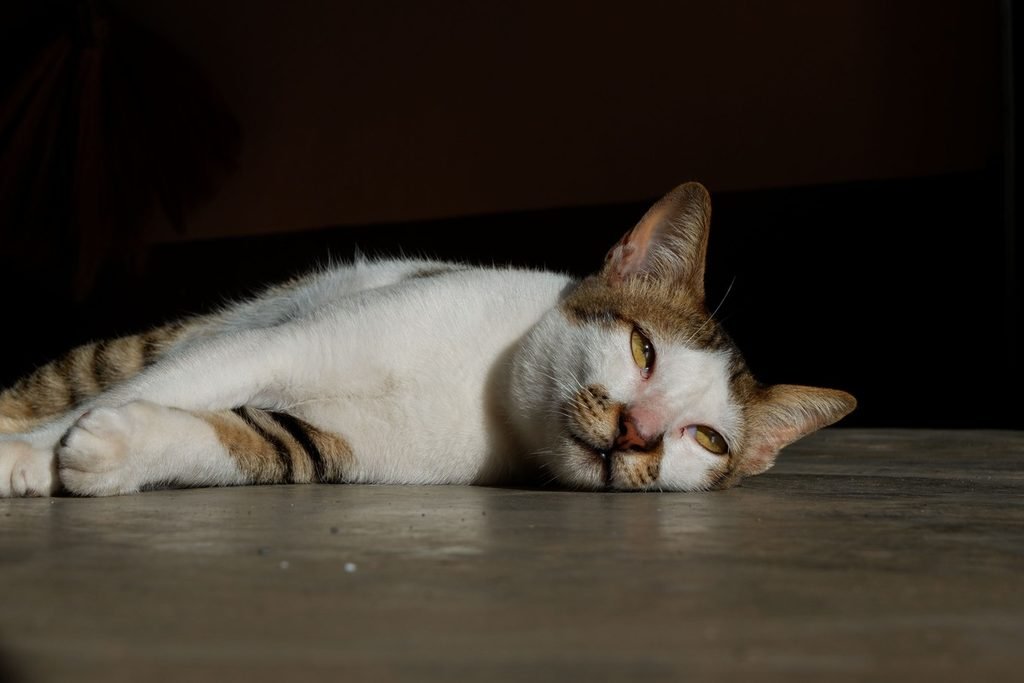
There are several possible causes, including urinary tract infections, bladder inflammation, urinary crystals or stones, kidney problems, injuries, and urinary blockages. Stress can also contribute to some urinary problems. You may notice other signs, such as frequent trips to the litter box, straining to urinate, crying or showing discomfort while urinating, licking the genital area, or passing only a small amount of urine.
Sometimes, blood in the urine may occur along with changes in your cat’s behavior. Your cat may become less active, hide more than usual, lose interest in food, or seem uncomfortable. However, these signs can occur with different conditions, so they cannot tell you the exact cause on their own. A veterinarian may need to examine your cat and test a urine sample to determine what is happening.
If your cat is repeatedly trying to urinate but producing little or no urine, this can be especially concerning. A urinary blockage can prevent normal urine flow and requires prompt veterinary attention. Watching for changes in urination and seeking veterinary advice when symptoms persist or worsen can help prevent a potentially serious problem from being overlooked.
In this guide, we’ll explore 7 possible causes of blood in your cat’s urine, practical solutions, and the warning signs that may mean your cat needs prompt veterinary attention.
1. Why Is There Blood in My Cat’s Urine? Urinary Tract Infection
A urinary tract infection (UTI) can cause blood to appear in a cat’s urine. The bacterial infection irritates the sensitive lining of the urinary tract, making urination uncomfortable or painful. The urine may appear pink, red, or blood-tinged.
Common Signs of a UTI
You may notice changes in your cat’s normal bathroom habits, such as:
- Frequent urination
- Strong-smelling or cloudy urine
- Straining while urinating
- Blood-tinged urine
- Licking the genital area
- Urinating outside the litter box
These signs do not always mean your cat has a UTI. Bladder inflammation, urinary crystals, stones, and other urinary problems can cause similar symptoms. A veterinarian can help determine the actual cause.
How Is a UTI Diagnosed?
A veterinarian may examine your cat and test a urine sample for signs of infection and other abnormalities. If a bacterial infection is suspected, a urine culture may be recommended to help identify the bacteria and choose an appropriate treatment.
What Is the Treatment for a UTI?
Treatment depends on the underlying cause. If a bacterial UTI is confirmed, your veterinarian may prescribe an appropriate antibiotic. Your cat may also need supportive care depending on its symptoms. Do not give antibiotics or other medication without veterinary advice, because blood in the urine can have different causes that require different treatments.
If your cat repeatedly tries to urinate but produces little or no urine, seek veterinary attention promptly. This can be a sign of a urinary blockage, which may become a serious emergency if not treated quickly.
2. Bladder Inflammation (Cystitis)
Bladder inflammation, also known as cystitis, can irritate the bladder and make urination uncomfortable. Your cat may visit the litter box more frequently, strain while urinating, or pass only a small amount of urine. Blood may also make the urine appear pink, red, or blood-tinged.
Common Signs
You may notice:
- Sudden urgency to urinate
- Repeated attempts to urinate
- Passing very small amounts
- Restlessness or discomfort
- Blood in the urine
- Urinating in unusual places
Moreover, cystitis is not always caused by a bacterial infection. In some cats, stress may contribute to feline idiopathic cystitis, particularly after changes in the home or daily routine.
What Can Help?
- Encourage your cat to drink more water.
- Keep the litter box clean and easy to access.
- Provide a calm and comfortable environment.
- Follow your veterinarian’s advice for treatment.
If your cat repeatedly strains to urinate but produces little or no urine, seek veterinary care promptly, as a urinary blockage can become serious.
3. Bladder Stones or Urinary Crystals
If you’re wondering, “Why Is There Blood in My Cat’s Urine?”, urinary crystals or stones may be one possible cause. They can irritate the bladder or urethra, causing blood in the urine and making urination uncomfortable.
Crystals are tiny mineral particles, while urinary stones are solid formations that develop in the urinary tract. Depending on their size and location, they can irritate the bladder or urethra and may interfere with normal urine flow.
You may notice your cat straining to urinate, passing small amounts of urine, or visiting the litter box repeatedly. Similar signs can also occur with bladder inflammation, infections, and other urinary problems.
How Are They Diagnosed?
A veterinarian may examine your cat and perform a urine test to check for blood, crystals, and other abnormalities. X-rays or an ultrasound may also be recommended to identify stones and determine where they are located.
What Can Help?
Treatment depends on the type and location of the stones or crystals. Your veterinarian may recommend a specific diet, increased water intake, or medication based on your cat’s needs.
If your cat repeatedly tries to urinate but passes little or no urine, seek veterinary care promptly, as a blockage can become serious.
4. Urethral Blockage
A urethral blockage happens when urine cannot pass normally through the urethra. In cats, crystals, stones, mucus, or other material can sometimes block the urinary passage. This may cause blood in the urine, discomfort, and difficulty emptying the bladder.
Warning Signs of a Blockage
A blocked cat may show signs such as:
- Repeatedly trying to urinate but producing little or no urine
- Spending a long time in the litter box without passing urine
- Becoming increasingly restless or distressed
- Showing signs of abdominal pain or discomfort
- Becoming weak, unusually quiet, or losing interest in food
Why Is It Serious?
A complete blockage prevents urine from leaving the body. Moreover, harmful waste products and electrolyte changes can build up quickly, making the condition life-threatening.
What Can Help?
A urethral blockage requires urgent veterinary treatment and cannot be safely treated at home. If your cat repeatedly tries to urinate but little or no urine comes out, seek emergency veterinary care immediately.
5. Kidney Disease & Kidney Issues
Kidney problems can affect a cat’s urinary health and may cause changes in drinking, urination, appetite, and energy levels. If you’re wondering, “Why Is There Blood in My Cat’s Urine?”, kidney disease is one possible cause, although it is not the only one. Blood in the urine can also be linked to bladder inflammation, urinary infections, stones, or other urinary tract problems.
Common Signs of Kidney Problems
Common signs include:
- Drinking more water than usual
- Frequent or increased urination
- Blood or an unusual color in the urine
- Reduced appetite or weight loss
- Vomiting or low energy
- Changes in normal litter box habits
What Can Help?
- Good hydration: Provide fresh water and follow your veterinarian’s advice on increasing fluid intake.
- Veterinary-recommended diet: A suitable diet may help support kidney health, depending on your cat’s condition.
- Regular veterinary check-ups: Blood and urine tests can help monitor kidney function and identify changes early.
6. Urinary Tract Injury or Trauma
An injury to the urinary tract can cause blood to appear in a cat’s urine, particularly after an accident, fall, fight, or other trauma. Your cat may also strain to urinate, visit the litter box more frequently, or appear uncomfortable. If blood appears after a known injury or your cat has difficulty urinating, a veterinary examination is important.
In addition, some cats may hide or become less active after an injury. The severity of the signs can depend on which part of the urinary tract is affected. If blood appears after a known injury or your cat shows difficulty while urinating, a veterinary examination is important.
How Are They Diagnosed?
A veterinarian will examine your cat and ask about any recent injury or changes in behaviour. In addition, urine tests can detect blood and other abnormalities, while blood tests or X-rays may be needed if internal injury is suspected.
What Can Help?
Treatment depends on the injury and its severity. Keep your cat calm and limit activity until they are examined. Treatment may include prescribed medication or supportive care. Never give human painkillers, as some can be harmful to cats.
If your cat cannot urinate, repeatedly strains, cries while urinating, or becomes very weak, seek urgent veterinary care.
7. Stress-Induced Urinary Problems
Stress can contribute to urinary problems in some cats, particularly feline idiopathic cystitis (FIC), a painful bladder condition where no other clear cause is found. If you’re wondering, “Why Is There Blood in My Cat’s Urine?”, stress-related bladder inflammation is one possible explanation. Moving house, bringing home a new pet, changes in routine, loud noises, or tension between cats can increase stress and may contribute to urinary flare-ups.
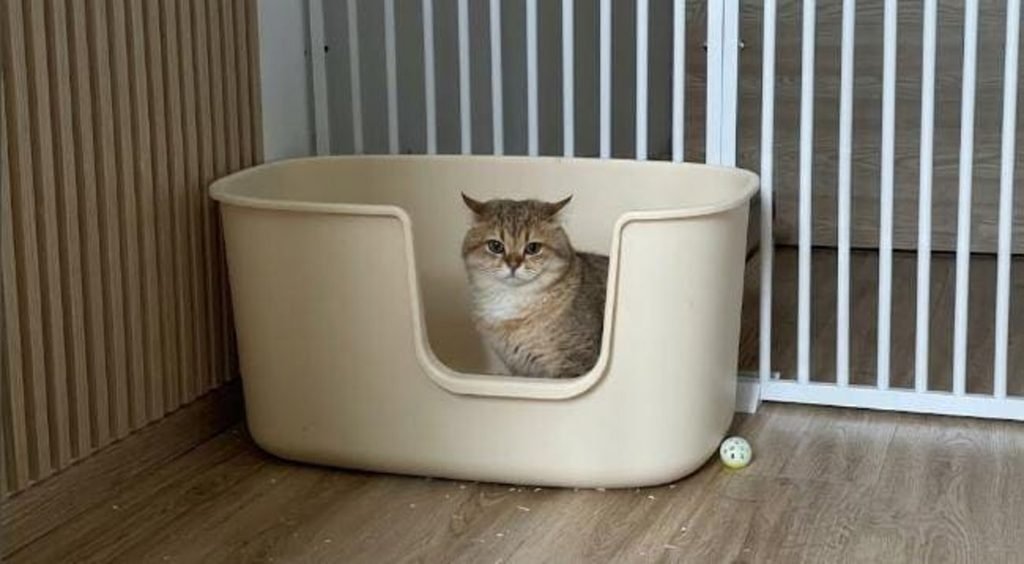
Cats with stress-related urinary problems may strain to urinate, visit the litter box frequently, urinate outside the box, lick their genital area, or seem uncomfortable while urinating. Some cats may also hide or become less active than usual. However, these signs can also occur with urinary infections, stones, bladder inflammation, or other urinary conditions, so stress should not automatically be assumed to be the cause.
Common Signs of Stress-Related Urinary Problems
- Straining to urinate or visiting the litter box frequently
- Urinating outside the litter box
- Licking the genital area
- Seeming uncomfortable while urinating
- Hiding more than usual or becoming less active
Why Is It Serious?
Urinary problems can cause significant discomfort and may become more serious if the underlying cause is not identified and treated. A urinary blockage can prevent a cat from passing urine and requires urgent veterinary care, particularly in male cats. Therefore, blood in the urine, repeated straining, or difficulty urinating should not simply be blamed on stress.
What Can Help?
Reducing stress may help some cats with stress-related urinary problems. Keep your cat’s routine as consistent as possible and provide clean litter boxes, fresh water, and quiet places where your cat can rest or hide. In multi-cat homes, provide separate food, water, litter, and resting areas to reduce competition and tension.
How Can You Help Your Cat When There Is Blood in the Urine?
If you notice blood in your cat’s urine, arrange a veterinary check-up rather than trying to treat the problem at home. Blood in the urine can be linked to bladder inflammation, urinary stones, infection, or other urinary tract problems. A veterinarian can examine your cat and may recommend a urinalysis to help identify the underlying cause and choose the appropriate treatment.
While waiting for veterinary advice, focus on keeping your cat comfortable and supporting normal water intake:
- Provide fresh, clean water: Make sure your cat has easy access to water throughout the day. Good water intake can help produce less concentrated urine and may support urinary health.
- Keep the litter box clean: Scoop the litter box regularly and keep it in a quiet, accessible location where your cat feels comfortable.
- Monitor urination: Pay attention to how often your cat visits the litter box, whether it strains, whether it cries while urinating, and whether a normal amount of urine is produced. This information can help your veterinarian understand the problem.
- Keep the environment calm: Stress can contribute to some urinary problems, including feline idiopathic cystitis. Keeping your cat’s routine and surroundings calm and consistent may help.
- Follow veterinary dietary advice: Do not start a special urinary diet on your own. Dietary changes may be recommended for certain conditions, but the appropriate diet depends on the underlying cause.
- Never give human medication: Do not give your cat human painkillers, antibiotics, or other medicines unless a veterinarian has specifically prescribed or advised them.
If your cat repeatedly strains to urinate but produces little or no urine, cries while trying, or seems increasingly distressed, seek urgent veterinary care. A urinary blockage can become a medical emergency, particularly in male cats.
When Should You Worry About Blood in Your Cat’s Urine?
Noticing blood in your cat’s urine—a medical condition known as hematuria—can be deeply alarming for any pet owner. The most important thing to understand is that blood in urine is never normal, and it should never be dismissed or ignored, even if your cat seems perfectly happy, energetic, or normal in every other way.
As natural predators, cats have an innate instinct to hide pain and physical vulnerability. Because of this, subtle shifts in their daily routines and bathroom habits are often the very first warning signs that something is wrong internally.
Early Behavioral Warning Signs to Watch For
Instead of waiting for obvious signs of illness, pay close attention to how your cat interacts with their litter box. Key red flags include:
- Increased Litter Box Trips: Your cat goes back and forth to the litter box repeatedly, often leaving only tiny drops of urine or nothing at all.
- Straining and Vocalizing: Crouching for long periods in the litter box, straining heavily, or letting out small cries or meows due to discomfort while trying to urinate.
- Excessive Licking: Frequently and obsessively grooming or licking their genital area to soothe irritation and burning sensations.
- Urinating Outside the Litter Box: Sudden accidents on cool surfaces like bathroom tiles, sinks, bathmats, or carpets. Cats often avoid the litter box when they start associating it with the pain they feel during urination.
- Changes in Urine Appearance: Urine that looks pinkish, reddish, or cloudy, or contains visible dark blood spots.
What Could Be Causing It?
In most cases, these symptoms are linked to Feline Lower Urinary Tract Disease (FLUTD), an umbrella term that includes conditions like sterile cystitis, urinary tract infections (UTIs), or bladder stones. While some of these conditions can be managed easily when caught early, others can quickly progress into severe health risks.
What to Expect at the Vet
If you continue to see blood or if it keeps coming back, schedule a non-emergency veterinary check-up. Your veterinarian will perform a physical examination and diagnostic tests to pinpoint the underlying cause and recommend a targeted treatment plan.

Signs That Need Urgent Veterinary Care
A urethral blockage prevents urine from leaving the body and can quickly become life-threatening without immediate care. Male cats are particularly at high risk due to their narrower urethra.
Seek immediate emergency veterinary care if your cat:
- Produces little or no urine despite repeated attempts
- Strains repeatedly in the litter box
- Cries or shows obvious pain while urinating
- Becomes weak, restless, or distressed
- Stops eating or starts vomiting
- Suddenly shows a major change in normal behavior
Final Thought: Keeping Your Cat’s Urinary Health on Track
If you’re wondering, “Why Is There Blood in My Cat’s Urine?” , remember that this change should never be ignored. It can be linked to several urinary problems that need proper attention.
Blood may occur with bladder inflammation, urinary stones, infection, or other conditions affecting the urinary tract. The exact cause cannot always be identified from visible symptoms alone.
Also, watch your cat’s litter box habits closely. Frequent urination, straining, crying, or urinating outside the litter box can provide important clues about a possible urinary problem.
Meanwhile, make sure your cat has access to fresh water and a clean, quiet litter box. A calm and comfortable environment can also help support healthy bathroom habits.
In addition, never give your cat human painkillers, antibiotics, or other medicines without veterinary advice. Treatment should be based on the cause of the bleeding.
If your cat repeatedly strains but produces little or no urine, shows obvious pain, or becomes weak or distressed, seek urgent veterinary care. A urinary blockage can become a serious emergency.
With timely veterinary attention and careful monitoring at home, you can respond to urinary changes before they become more serious. Paying attention to your cat’s normal habits is one of the best ways to notice when something has changed.
Frequently Asked Questions About Blood in a Cat’s Urine
1. Why Is There Blood in My Cat’s Urine?
Blood may be caused by bladder inflammation, urinary stones, infection, or other urinary tract problems.
2. Is blood in my cat’s urine an emergency?
It can be, especially if your cat strains to urinate but produces little or no urine.
3. Can a urinary infection cause blood in my cat’s urine?
Yes, urinary infections can sometimes cause blood along with frequent or painful urination.
4. Can stress cause blood in my cat’s urine?
Yes, stress can contribute to urinary problems in cats, including feline idiopathic cystitis, which may cause blood in the urine.
5. Why is my cat straining to urinate?
Straining may be linked to bladder inflammation, urinary stones, infection, or a blockage. These problems may help explain why is there blood in my cat’s urine, so veterinary advice is important.
6. Why Is There Blood in My Cat’s Urine, What Should I Do?
If you notice blood in your cat’s urine, schedule a veterinary check-up as soon as possible to identify the underlying cause. However, if your cat is repeatedly straining and producing little to no urine, seek immediate emergency veterinary care, as this indicates a potentially life-threatening urinary blockage.
7. Can urinary stones cause blood in a cat’s urine?
Yes, urinary stones can irritate the bladder or urinary tract and may cause blood in the urine.
8. How is blood in a cat’s urine diagnosed?
A veterinarian may perform a physical examination and urinalysis to identify the cause. Additional tests, such as X-rays or ultrasound, may be needed depending on the findings.
9. When should I take my cat to the vet for blood in its urine?
Take your cat to the vet when you notice blood, especially with straining, pain, frequent urination, or little urine output.
10. How can I help prevent urinary problems in my cat?
Provide fresh water, keep the litter box clean, and reduce stress.