Why is my cat meowing excessively? Cats use meowing as one of their main ways of communicating with people. They may meow when they want food, attention, access to a room, or interaction. Some cats are naturally more vocal than others, so frequent meowing is not always a sign that something is wrong. However, if your cat suddenly starts meowing much more than usual, it is worth paying attention to this change.
There can be many reasons for excessive meowing, and the cause may depend on your cat’s age, routine, environment, and overall behavior. Hunger, boredom, attention-seeking, stress, loneliness, and changes around the home can all make a cat more vocal. Cats may also become particularly vocal during mating behavior if they have not been neutered.
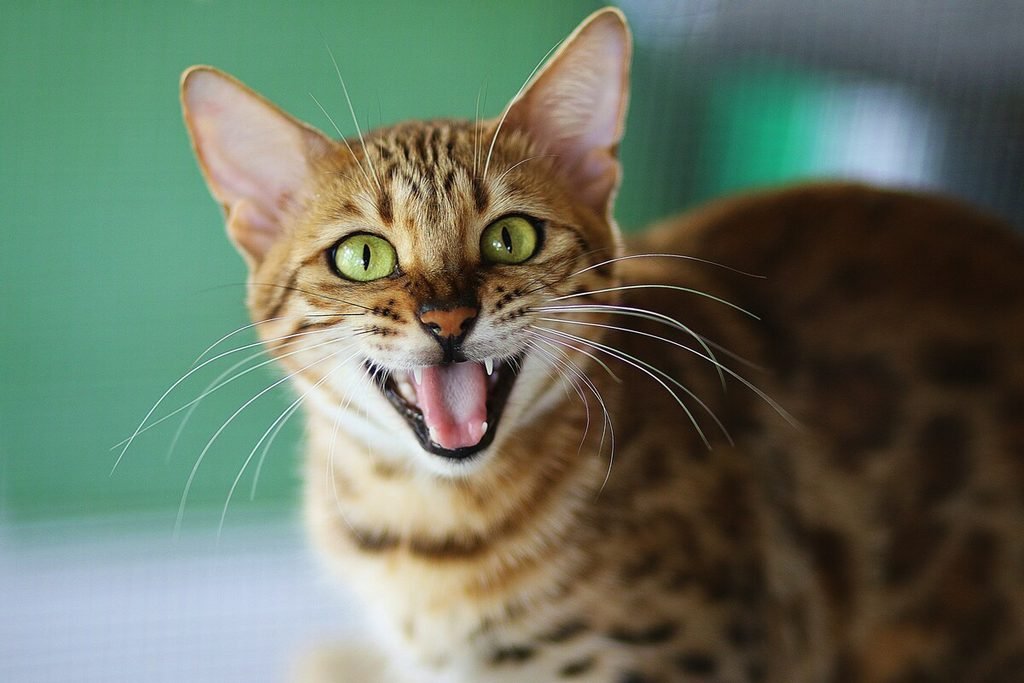
Sometimes, increased vocalization can be linked to an underlying health problem. Pain or illness may cause a cat to behave differently, especially when the change happens suddenly or occurs alongside other symptoms. Changes in appetite, drinking, litter box habits, activity levels, grooming, or general behavior can provide useful clues about what your cat may be experiencing.
Stress is another possible reason for increased meowing. A new pet, changes in routine, unfamiliar people, loud noises, or tension between cats can affect a cat’s behaviour. A stressed cat may also hide more, eat less, groom excessively, or show other changes in its normal habits. Because similar signs can sometimes occur with medical problems, a sudden or unusual change in behaviour should not automatically be blamed on stress.
Excessive meowing does not always have one obvious explanation. In this guide, we’ll explore the common causes of excessive meowing, what different types of vocalisation may mean, how you can help your cat, and the warning signs that may mean it is time to speak with a veterinarian.
1. Could Your Cat Be Trying to Tell You Something?
Cats communicate with people through sounds, body language, and everyday behaviour. A meow can have different meanings depending on the situation. Your cat may be asking for food, seeking affection, greeting you, or simply trying to get your attention. Understanding your cat’s usual habits can make these signals easier to recognise.
When excessive meowing becomes noticeable, consider what is happening when your cat vocalises. Hunger, boredom, loneliness, stress, or changes in the home can sometimes make a cat more vocal. The timing and situation can provide useful clues about what may be causing the change.
A sudden increase in vocalization can also occur with pain or illness. Pay attention to other changes, such as reduced appetite, hiding, unusual litter box habits, changes in activity, or difficulty settling. If the change continues or occurs alongside other concerning signs, a veterinarian can help determine the underlying cause.
2. Why Is My Cat Meowing Excessively? Is Your Cat Hungry or Thirsty?
Hunger is a common reason a cat may become more vocal. You may notice your cat meowing around mealtimes, following you, or sitting near its food bowl. However, frequent requests for food do not always mean your cat is genuinely hungry, especially if its feeding routine has not changed.
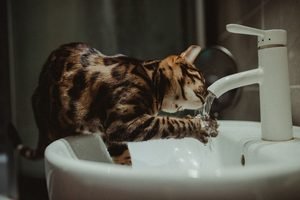
Thirst can also affect your cat’s behavior. Cats eating mainly dry food may naturally drink more than those eating wet food. However, a sudden or persistent increase in drinking, especially alongside more frequent urination, can sometimes indicate an underlying health problem and should be discussed with a veterinarian.
Signs Your Cat May Be Hungry or Thirsty
Pay attention to changes in your cat’s usual routine:
- Food-related clues: Meowing around mealtimes or showing increased interest in food.
- Water-related clues: Visiting the water bowl more often or drinking noticeably more.
- Routine changes: Changes in appetite, drinking, weight, or litter box habits.
Keeping meals consistent and providing fresh water can help you monitor your cat’s normal habits and notice unusual changes early.
3. Could Your Cat Be Meowing Just to Get Your Attention?
Cats often learn which behaviors get a response from their owners, and meowing can become one of them. Your cat may vocalize because it wants you to pet it, play with it, open a door, or simply spend time nearby. If you regularly respond by giving attention, food, or access to something your cat wants, it may learn that meowing is an effective way to communicate with you.
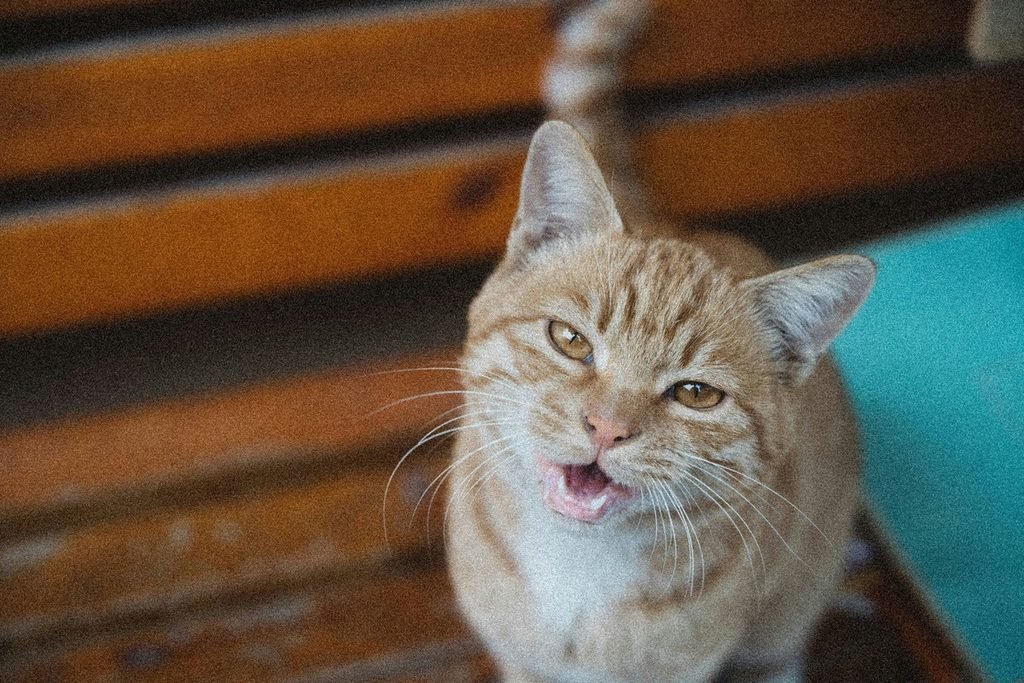
If you are asking “Why Is My Cat Meowing Excessively?”, consider whether the vocalization happens mainly when you are busy, leaving the room, or not responding to your cat. Attention-seeking meowing is more likely to be behavioral when your cat otherwise seems healthy and its eating, drinking, litter box habits, and activity remain normal.
Signs Your Cat May Want Attention
You may notice that your cat:
- Follows you around and meows when you stop interacting.
- Brings a toy or stays close to you while vocalising.
- Meows near a door when it wants you to open it or let it into another area.
- Becomes vocal when ignored, then settles after receiving attention.
Try giving your cat regular playtime, gentle interaction, and mental stimulation throughout the day. However, avoid assuming that all persistent meowing is attention-seeking. If the behaviour is sudden, unusually intense, or occurs with other changes, a veterinary check-up can help rule out an underlying health problem.
4. Is Stress or Boredom Making Your Cat More Vocal?
Stress and boredom can both make a cat more vocal. Cats are creatures of habit, so changes such as moving house, a new pet, unfamiliar visitors, loud noises, or a different routine may leave them unsettled. Meanwhile, cats that lack enough play or mental stimulation may become restless and meow more often for interaction.
A stressed cat may also hide more, eat differently, groom excessively, or avoid interaction. In addition, tension between cats in the same home can create ongoing stress, especially when they compete for food, water, litter boxes, or resting areas.
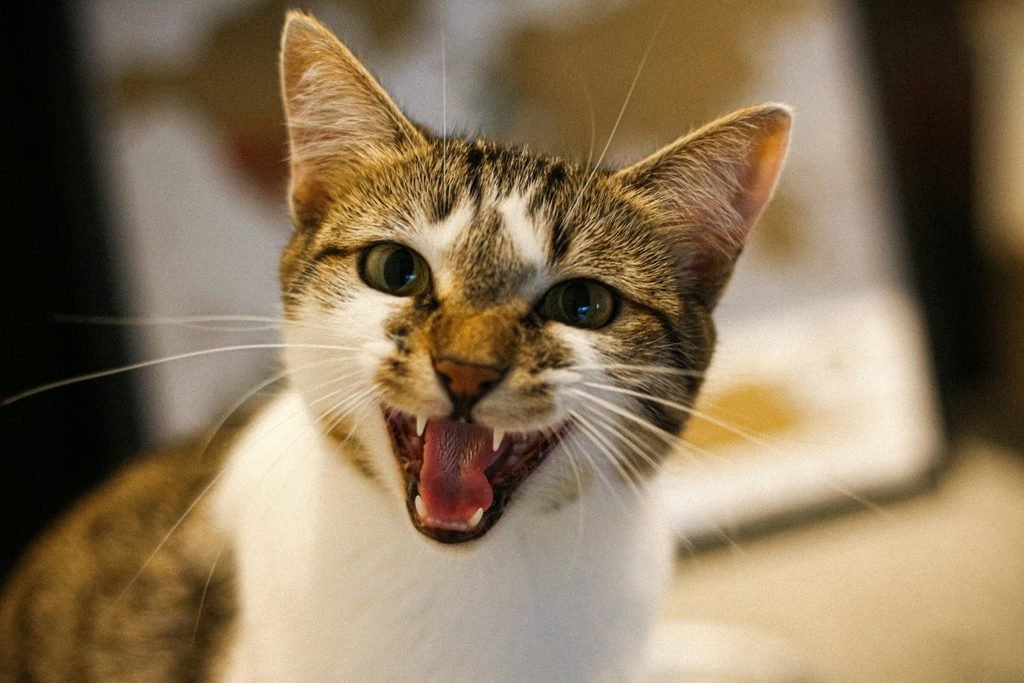
Signs of Stress or Boredom
You may notice:
- More frequent meowing: Your cat becomes noticeably more vocal.
- Hiding: It spends more time in quiet or secluded places.
- Less interest in play: Your cat may seem bored or restless.
- Routine changes: Eating, sleeping, grooming, or litter box habits may change.
Daily play, suitable toys, opportunities to explore, and quiet resting areas can help reduce boredom. Also, keeping your cat’s routine consistent may help it feel more secure.
However, sudden or persistent vocalisation should not automatically be blamed on stress or boredom. Pain and medical problems can also affect behaviour, so a veterinary check-up is advisable if other unusual signs appear.
5. Could Being in Heat Be the Reason for Excessive Meowing?
If your female cat is not spayed, being in heat can be a common reason for sudden or persistent vocalisation. During this time, hormonal changes can make her more restless, affectionate, and eager to attract a mate. Her meows may also become louder, longer, or more frequent than usual.
If you are wondering “Why Is My Cat Meowing Excessively?”, check whether the increased vocalization occurs alongside other signs of being in heat. These behaviors can last for several days and may return repeatedly if the cat is not spayed.
Common Signs of a Cat in Heat
- Loud or repeated meowing: Vocalization may become unusually intense, especially at night.
- Increased affection: Your cat may rub against people, furniture, or other animals more often.
- Restlessness: She may pace, try to get outside, or show increased interest in doors and windows.
- Mating posture: She may raise her hindquarters, move her tail to one side, and tread with her back legs when touched near the lower back.
- Frequent urination: Some females may urinate more often or mark areas with urine to signal their reproductive status.
Male cats do not go into heat themselves, but an unneutered male may become more vocal or restless when he detects a female in heat nearby. Spaying or neutering can reduce hormone-driven behaviours and also prevents unwanted litters.
6. Could a Health Problem Be Causing Your Cat to Meow More?
A sudden change in your cat’s vocalization can sometimes be linked to an underlying health problem. Cats may meow more when they are in pain, uncomfortable, or feeling unwell. Problems affecting the urinary system, digestive tract, joints, or other parts of the body can sometimes change their usual behavior.
Older cats may also become more vocal because of age-related conditions. For example, hearing loss, reduced vision, thyroid problems, or cognitive changes can affect how a cat behaves and communicates. In addition, some cats become more restless or vocal at night as they get older.
The important thing is to look for changes alongside increased meowing. Your cat may not always show obvious signs of illness, so even small changes in its daily routine can provide useful clues.
Signs That May Point to a Health Problem
Watch for changes such as:
- Reduced appetite or increased thirst
- Changes in urination or litter box habits
- Vomiting, diarrhoea, or constipation
- Hiding or avoiding normal interaction
- Difficulty walking, jumping, or settling comfortably
- Changes in grooming or sleeping habits
- Weight loss or noticeable changes in body condition
- Restlessness or unusual behaviour
If your cat suddenly becomes much more vocal and you notice any of these signs, it is best to speak with a veterinarian. Also, avoid assuming that the behavior is simply attention-seeking, especially when it is a clear change from your cat’s normal habits.
7. When Should You Worry About Your Cat’s Excessive Meowing?
Occasional meowing is normal, but a sudden or persistent change in your cat’s vocalization deserves attention. Cats often hide signs of illness, so increased meowing may sometimes be one of the first noticeable changes. If your cat sounds distressed, seems uncomfortable, or is behaving differently from usual, it is worth looking more closely at what may be happening.
If you are asking “Why Is My Cat Meowing Excessively?”, consider when the behavior started and whether anything else has changed. The situation is more concerning when frequent meowing occurs alongside changes in eating, drinking, urination, movement, or general behavior.
Signs That Need Veterinary Attention
Contact a veterinarian if excessive meowing is accompanied by:
- Difficulty urinating or repeated trips to the litter box
- Loss of appetite or refusing food
- Vomiting or persistent diarrhoea
- Sudden weight loss or increased thirst
- Hiding, weakness, or unusual tiredness
- Signs of pain, such as crying when touched or difficulty moving
- Restlessness or an inability to settle
- Confusion or unusual behaviour, particularly in an older cat
- Breathing difficulties or severe distress
Some problems, particularly urinary difficulties, can become serious quickly. Therefore, if your cat is straining to urinate, producing little or no urine, showing severe pain, collapsing, or having difficulty breathing, seek urgent veterinary care rather than waiting for the behavior to improve.
What Should You Do?
Keep a note of when the meowing happens, how often it occurs, and what your cat is doing at the time. Also, monitor food and water intake, litter box use, sleep, activity, and any other unusual behavior. This information can help your veterinarian understand the change and decide whether further examination or tests are needed.
Remember that excessive vocalization can have many causes, including stress, boredom, attention-seeking, reproductive behavior, pain, and illness. Looking at the whole pattern of behavior rather than the meowing alone can make it easier to identify when professional advice is needed.
Final Thoughts: Understanding Why Your Cat Meows More
Meowing is one of the main ways cats communicate with people, but a noticeable change in vocalisation can have different meanings. Your cat may want food, attention, play, or access to something, while stress, boredom, being in heat, or changes at home can also make it more vocal.
If you are still wondering “Why Is My Cat Meowing Excessively?”, look at your cat’s behaviour as a whole rather than focusing on the meowing alone. Notice when it happens and whether there are changes in appetite, drinking, litter box habits, sleep, activity, grooming, or general behaviour.
Providing regular play, mental stimulation, fresh water, and a consistent daily routine can help support your cat’s wellbeing. Also, understanding your cat’s usual habits makes it easier to notice changes and respond to its needs.
However, sudden or persistent vocalization should not always be assumed to be behavioral. If excessive meowing occurs with signs such as pain, difficulty urinating, vomiting, weakness, breathing problems, or significant changes in eating and drinking, contact a veterinarian for appropriate advice.
Frequently Asked Questions (FAQs)
1. Why Is My Cat Meowing Excessively?
There are several possible reasons, including hunger, attention-seeking, boredom, stress, being in heat, or changes in the home. However, sudden or persistent vocalization can sometimes be linked to pain or an underlying health problem, so other changes in behavior should also be considered.
2. Why does my cat suddenly meow more than usual?
A sudden increase in meowing can happen because of hunger, attention-seeking, stress, boredom, being in heat, or a change in the home. However, pain or an underlying health problem can also cause unusual vocalization.
3. Why does my cat meow so much at night?
Cats may become more vocal at night because they are bored, seeking attention, hungry, or responding to changes in their routine. Older cats may also vocalize at night because of age-related changes or health problems.
4. Should I ignore my cat if it keeps meowing?
Not always. First, check that your cat has food, water, a clean litter box, and a comfortable environment. If the meowing is unusual or persistent, look for other changes before assuming it is simply attention-seeking.
5. Can stress cause excessive meowing in cats?
Yes. Moving house, new pets, unfamiliar visitors, loud noises, or changes in routine can make some cats more vocal. Providing a predictable routine and a quiet place to retreat may help reduce stress.
6. Can being in heat make a cat meow more?
Yes. Female cats that are not spayed may become noticeably more vocal when they are in heat. They may also become restless, more affectionate, and show mating-related behaviors.
7. How can I tell if my cat is meowing because it is hungry?
Food-related meowing often happens around mealtimes and may be accompanied by following you, sitting near the food bowl, or showing increased interest in food. However, persistent changes in appetite should be discussed with a veterinarian.
8. Can boredom make my cat meow excessively?
Yes. Cats that do not receive enough play, exploration, or mental stimulation may become restless and vocal. Interactive play, suitable toys, and opportunities to explore can provide useful enrichment.
9. When should I take my cat to the vet for excessive meowing?
Contact a veterinarian if the vocalisation is sudden, persistent, or accompanied by other unusual signs. Difficulty urinating, severe pain, breathing problems, weakness, repeated vomiting, or collapse require urgent veterinary attention.
10. When Should Excessive Meowing Be a Concern?
Excessive meowing is more concerning when it starts suddenly or occurs with loss of appetite, vomiting, hiding, pain, or changes in urination. If these signs appear or the vocalization continues, contact a veterinarian for advice.