If you are wondering why is my cat biting me, you are not alone. One moment, your cat is curled up beside you, enjoying a gentle stroke. The next, they turn around and bite your hand. Or perhaps your playful kitten keeps attacking your ankles whenever you walk across the room. Either way, it can leave you wondering why your cat is biting you and whether you’ve done something wrong.
The truth is that cats bite for several reasons, and not every bite means aggression. Kittens often bite while playing, teething or exploring their surroundings, while adult cats may bite because they’re overstimulated, frightened, frustrated or experiencing pain. Sometimes, what looks like an unexpected attack is actually your cat’s way of communicating something you haven’t noticed.
Understanding the reason behind the behaviour is the first step towards improving it. In this guide, we’ll explore why cats and kittens bite, how to recognise different types of biting, what you can do to stop unwanted bites and when it’s time to seek professional advice.
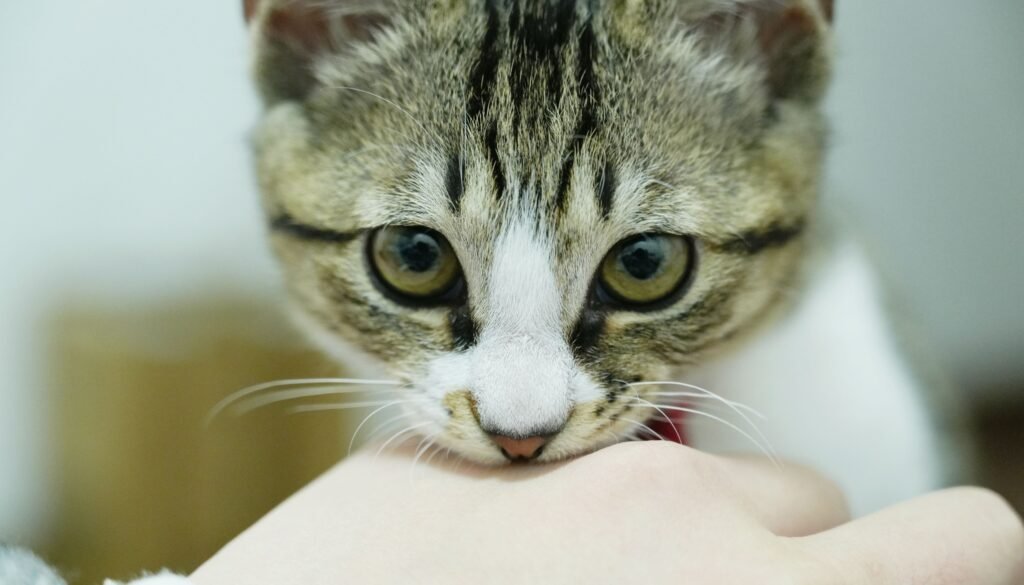
Why Is My Cat Biting Me?
If your cat keeps biting you, the first thing to understand is that biting is a form of behaviour rather than a single problem with one solution. Cats use their mouths during play, but they may also bite when they feel uncomfortable, threatened or unable to escape a situation. The same action can therefore have completely different meanings depending on what happens before and after it.
For example, a kitten that jumps at your moving feet is probably practising hunting behaviour. However, an adult cat that bites when you touch its back may be communicating discomfort or pain. Similarly, a cat that bites during petting might simply have reached its limit for physical contact.
Your cat’s age, personality, environment and previous experiences all influence how they respond to people. Some cats enjoy frequent interaction, while others prefer shorter periods of attention and more personal space. Learning to recognise these differences can help you understand why biting happens and prevent it from becoming a repeated problem.
1. Your Cat Is Playing or Practising Hunting Skills
Cats are natural hunters, and their instincts remain strong even when they live comfortably indoors. Stalking, chasing, pouncing and grabbing are all normal parts of feline play. When these behaviours are directed towards toys, they provide healthy exercise and mental stimulation. However, problems arise when your cat starts treating your hands, feet or clothing as prey.
Play biting is particularly common in kittens and young cats because they have plenty of energy and are still developing their coordination. You might notice your cat hiding behind furniture, watching your ankles and suddenly jumping forward to grab them. Although the behaviour can look aggressive, the cat may simply be excited and looking for something to chase.
2. Your Cat Has Had Enough Petting
Have you ever been stroking your cat when they suddenly turned around and bit you? This can happen even when your cat initially seemed relaxed and happy. Some cats enjoy physical contact for only a short time, and repeated stroking may eventually become uncomfortable or overwhelming.
This behaviour is commonly called petting-induced aggression or petting-related biting. Your cat might enjoy having their cheeks or head stroked but dislike being touched around their stomach, tail or lower back. Others simply prefer brief interactions and become irritated when attention continues for too long.
The warning signs can be surprisingly subtle. Your cat may begin flicking their tail, turning their ears sideways, looking towards your hand or tensing their body. If you notice these changes, stop stroking and allow your cat to move away. Respecting these boundaries can make future interactions more comfortable for both of you.
3. Your Cat Feels Frightened or Threatened
Fear is another common reason cats bite, especially when they feel trapped or unable to escape. A cat that is frightened by loud noises, unfamiliar visitors or sudden handling may react defensively if someone approaches too closely. In these situations, biting is usually an attempt to protect themselves rather than an effort to cause harm.
For example, imagine your cat hiding beneath the bed after hearing fireworks. If you reach underneath and try to pull them out, they may hiss, scratch or bite because they feel unsafe. The same reaction can happen when a cat is forced into a carrier, restrained during grooming or approached by an unfamiliar animal.
4. Your Cat Is Experiencing Pain or Illness
Sometimes, biting is one of the first noticeable signs that a cat is uncomfortable. Cats are naturally good at hiding pain, so changes in behaviour can be important clues that something is wrong. A cat that previously enjoyed being picked up may suddenly bite when lifted because a particular movement has become painful.
Dental problems, arthritis, injuries, skin irritation and other medical conditions can all affect how a cat responds to touch. Older cats may become particularly sensitive around painful joints, while a cat with an ear or dental problem might react when someone touches their head.
If your cat has started biting unexpectedly, especially when you touch a specific area, don’t assume it’s simply bad behaviour. Watch for other changes such as reduced appetite, hiding, difficulty jumping or unusual grooming habits. A veterinary examination can help identify whether pain or illness is contributing to the problem.
5. Your Cat Is Bored or Lacks Mental Stimulation
Cats need opportunities to explore, play and express their natural behaviours. When these needs aren’t met, some cats begin looking for entertainment in ways their owners find frustrating. Biting moving hands, attacking ankles or repeatedly demanding attention can sometimes develop when a cat has too little to do.
This is particularly relevant for indoor cats, although outdoor cats can become bored too. A home without suitable toys, scratching surfaces, climbing spaces or interactive play may leave an energetic cat with few opportunities to release its energy.
Regular play sessions, food puzzles and a variety of safe toys can make a meaningful difference. You don’t need expensive equipment to keep your cat interested. Cardboard boxes, climbing areas and rotating favourite toys can provide useful enrichment, especially when combined with daily interaction.
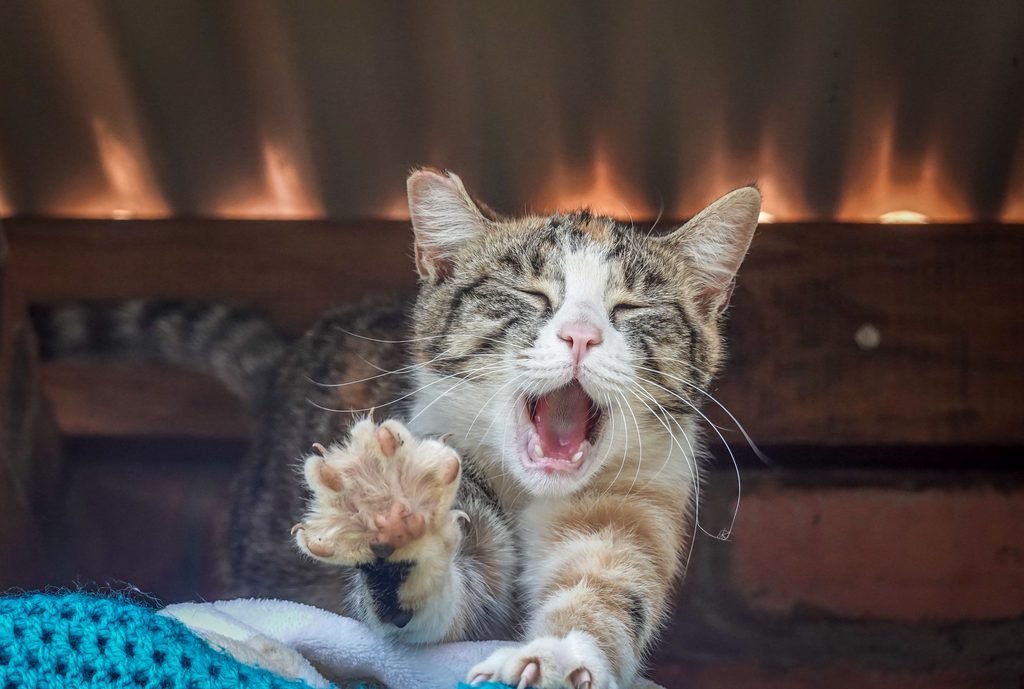
Why Does My Kitten Keep Biting Me?
If your kitten keeps biting your fingers, attacking your feet or grabbing your clothes, you’re probably wondering whether this behaviour is normal. Fortunately, playful biting is common during kittenhood because young cats are still learning how to explore their surroundings, interact with people and control their natural hunting instincts.
If you still wonder why is my cat biting me at night. Kittens develop many of these skills while playing with their littermates. They chase, wrestle and gently bite one another, gradually learning when play becomes too rough. However, when a kitten starts treating your hands or feet like toys, those sharp little teeth can quickly turn an innocent game into an uncomfortable experience.
Teething, excitement and boredom can also contribute to frequent biting. Although most kittens become better at controlling their behaviour as they mature, they still need gentle guidance. Teaching appropriate play habits early can help prevent unwanted biting from continuing into adulthood.
Kitten Teething: Why Your Kitten Bites Everything
Teething is a natural stage of kitten development, and it can explain why some kittens suddenly become more interested in chewing. Their baby teeth begin appearing within the first few weeks of life, while permanent teeth generally start replacing them at around three to four months. Most kittens have their adult teeth by approximately six to seven months.
During this period, your kitten may experience some gum discomfort and become more interested in chewing toys, blankets or other objects. You might also notice them gently biting your fingers during play. However, not every kitten becomes noticeably more mouthy while teething, and persistent biting can have other causes.
Why Kittens Bite Hands and Feet During Play
Your hands and feet are constantly moving, which makes them particularly interesting to a playful kitten. When you wiggle your fingers, move your toes beneath a blanket or walk past a hiding kitten, those movements can trigger an instinctive chase response.
The problem often begins unintentionally. An owner might encourage a small kitten to wrestle with their hand because the behaviour seems cute and harmless. However, the kitten gradually learns that human skin is an acceptable target during play, and the same habit becomes painful as their teeth and jaws develop.
Instead, use toys that create some distance between your hands and your kitten’s mouth. Wand toys encourage chasing and jumping, while larger soft kicker toys allow kittens to grab and kick safely. This helps satisfy their natural instincts without teaching them to bite people.
Can Early Separation From Littermates Affect Biting?
Kittens learn important social skills through interaction with their mother and littermates. If you still wonder why is my cat biting me at night. During play, they discover how to respond when another kitten becomes uncomfortable or stops participating. These experiences can contribute to the development of more controlled play behaviour.
Kittens that have had limited opportunities for appropriate social interaction may sometimes struggle with bite control. However, early separation isn’t the only explanation for rough play, and a kitten’s individual temperament, environment and learning experiences also matter.
If your kitten seems unusually rough, focus on creating positive experiences rather than blaming their background. Consistent play boundaries, suitable toys and a predictable routine can help them learn how to interact more gently.

Why Does My Adult Cat Keep Biting Me?
Adult cat biting can be more confusing because owners often expect mature cats to have outgrown rough play. However, adult cats can still bite for many of the same reasons as kittens, including excitement, frustration and overstimulation. Some also continue habits they learned when they were younger.
Another reason why is my cat biting me is overstimulation.The difference is that a sudden change in an adult cat’s behaviour deserves closer attention. If your cat has always enjoyed being handled but now bites whenever you pick them up, pain or illness should be considered. Similarly, a cat that becomes defensive after a household change may be responding to stress rather than behaving aggressively without reason.
Adult cats also have individual preferences about physical contact. Some enjoy sitting on your lap but dislike being stroked, while others prefer to approach people only when they want attention. Understanding these preferences can reduce conflict and help your cat feel more secure.
Why Does My Cat Bite Me While I’m Petting Them?
Now you know why is my cat biting me and how to stop it.Petting-related biting is one of the most common situations that confuses cat owners. Your cat may approach you, rub against your hand and settle down comfortably, only to bite after a few minutes of stroking. Although this seems contradictory, enjoying someone’s company doesn’t necessarily mean wanting continuous physical contact.
Some cats become increasingly sensitive to repeated touch, while others dislike being stroked in particular areas. The exact reason can vary between individuals, and it isn’t always possible to identify one specific cause. What matters is recognising when your cat has had enough.
Try keeping petting sessions short and allowing your cat to choose whether they want more. After a few strokes, pause and watch their response. If they lean towards your hand, they may welcome further attention. If they turn away, stiffen or move off, respect their decision.
Why Does My Cat Bite Me and Then Lick Me?
If you still wonder why is my cat biting me at night. A cat that bites your hand and then begins licking it can leave you wondering whether the bite was affectionate or aggressive. Cats sometimes combine licking and gentle mouthing during social interactions, but this behaviour doesn’t have one universal meaning.
In some cases, gentle mouthing may occur during relaxed grooming-like behaviour. In others, your cat may have become overstimulated or shifted from social interaction into playful excitement. A cat that licks after biting may also simply be continuing its interaction without any particular message of affection.
Pay attention to the strength of the bite and your cat’s overall body language. If the contact is gentle and your cat remains relaxed, it may be part of a normal interaction. However, if the biting becomes painful or your cat appears tense, stop touching them and give them space.
Why Does My Cat Bite Me While Purring?
Many owners associate purring with happiness, but purring doesn’t always mean a cat feels completely comfortable. Cats can also purr when stressed or unwell, so it’s important to consider their behaviour as a whole.
For example, your cat might be purring while resting beside you but become uncomfortable when you continue stroking them. If they begin flicking their tail, turning their head towards your hand or shifting away, a bite may follow if the interaction continues.
Rather than relying on purring alone, observe your cat’s posture, facial expression and willingness to remain close. If they appear uncomfortable, stop the interaction. A cat can enjoy your company while still wanting control over how much physical contact they receive.
Why Does My Cat Suddenly Bite Me for No Reason?
When a cat bites unexpectedly, it can feel as though the behaviour came from nowhere. However, there is often a trigger that wasn’t obvious at the time. Your cat may have been startled, become overstimulated or reacted to something happening elsewhere in the room.
One example is redirected aggression. Imagine your indoor cat watching an unfamiliar cat through the window. They become tense and highly alert, but cannot reach the animal outside. If you approach or touch them while they’re agitated, they may turn and bite you instead.
In this situation, your cat isn’t necessarily angry with you. Their reaction is connected to the original source of excitement or distress. Give them time to settle and avoid handling them until their body language becomes relaxed again.
If sudden biting happens repeatedly, particularly without an identifiable trigger, arrange a veterinary appointment. Medical discomfort should be ruled out before treating the problem as purely behavioural.
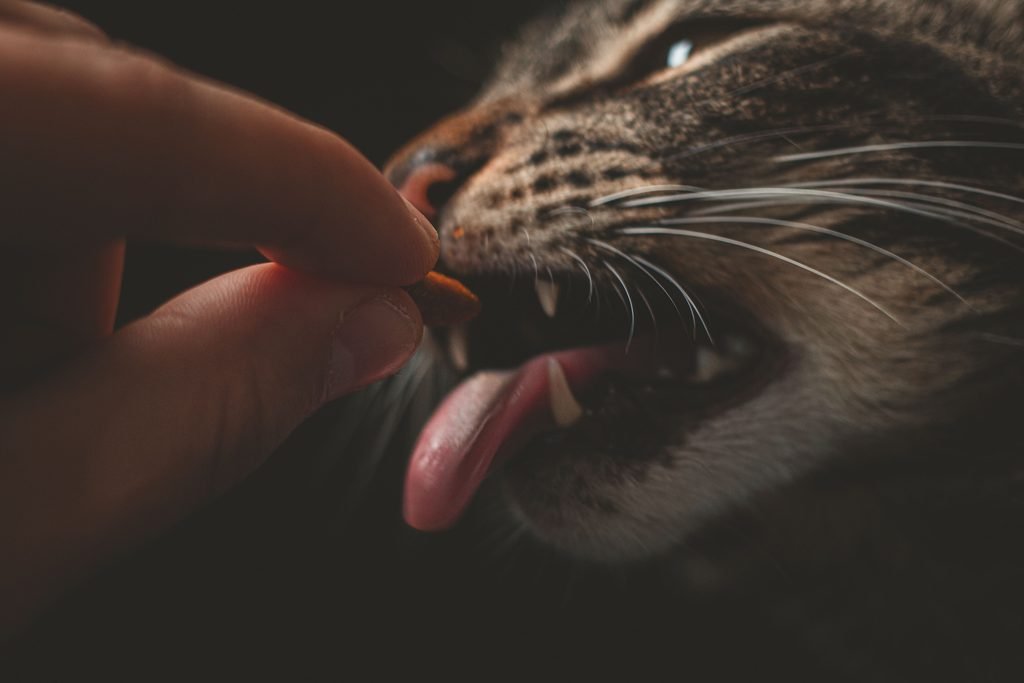
Playful Biting vs Aggressive Biting: How Can You Tell?
Understanding the difference between playful and defensive biting can help you respond appropriately. Although both involve teeth, the surrounding behaviour often provides useful clues about what your cat is experiencing.
A playful cat may crouch, chase moving objects, pounce and grab with their paws. Their movements often appear energetic, and they may return to normal activity once the game ends. Kittens and young cats are particularly likely to show this type of behaviour, although adults can play roughly too.
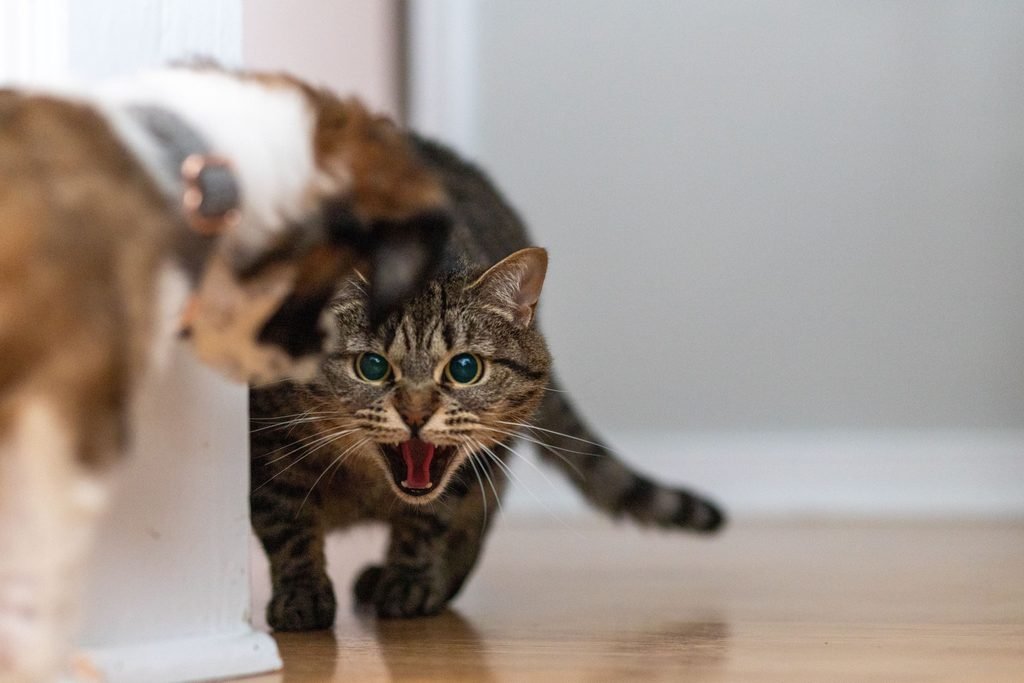
A frightened or defensive cat may appear tense, flatten their ears, hiss, growl or attempt to escape. Some cats become very still before reacting, while others lash their tails or turn their bodies away. If you still wonder why is my cat biting me at night. Pain-related biting may be less obvious because the cat might react suddenly when a sensitive area is touched.
| Behaviour you notice | What it may suggest |
|---|---|
| Chasing and grabbing moving feet | Play or hunting behaviour |
| Biting after repeated stroking | Petting-related overstimulation |
| Hissing, flattened ears and a tense body | Fear or defensive behaviour |
| Biting when a particular area is touched | Possible pain or discomfort |
| Biting after seeing another cat outside | Possible redirected aggression |
Redirect Biting Towards Appropriate Toys
When your kitten starts treating your fingers or feet like toys, the goal is to teach them that there are better things to chase and grab. Interactive wand toys, small balls and larger kicker toys can provide safe opportunities to practise hunting behaviour.
Try introducing play before your cat begins targeting you. For example, if your kitten usually attacks your ankles in the evening, offer a short interactive game beforehand.If you still wonder why is my cat biting me let them stalk, chase and occasionally catch the toy so the activity remains satisfying.
Avoid placing your fingers close to your cat’s mouth while encouraging them to play. Toys should create a safe distance between your hands and their teeth. If your cat is already frightened or highly agitated, don’t attempt to redirect them by waving a toy near their face. Give them space instead.
Stop Using Hands and Feet as Playthings
One of the easiest ways to prevent unwanted biting is to avoid encouraging it in the first place. Many owners enjoy wrestling with a tiny kitten using their fingers, but this teaches the kitten that biting people is an acceptable part of play.
As the kitten grows, the habit can become harder to manage. An adult cat has stronger jaws and sharper teeth, so the same behaviour may cause more serious injuries. Consistency is especially important when several family members interact with the cat.
Encourage everyone in your household to use suitable toys rather than hands or feet. Children should also be taught not to tease cats with moving fingers or chase them around the house. Clear, gentle boundaries help cats understand what to expect during play.
End Rough Play Without Punishment
If your cat bites too hard during play, avoid shouting, hitting, spraying water or tapping their nose. These reactions may frighten your cat and make future interactions more difficult. Some playful cats may even interpret sudden movements and loud reactions as part of the game.
Instead, calmly stop the interaction when it’s safe to do so. If your kitten has grabbed your hand, avoid jerking it away sharply, as this may cause additional scratches. Once you can disengage safely, allow a short break before offering another opportunity to play appropriately.
The aim is to help your cat learn that gentle play leads to enjoyable interaction, while rough biting brings the game to an end. Progress may take time, particularly if your cat has been encouraged to bite hands for several months.
Respect Your Cat’s Personal Space
Not every cat enjoys being picked up, hugged or stroked for long periods. Some prefer sitting beside you rather than on your lap, while others enjoy affection only when they initiate it. Respecting these preferences is an important part of preventing defensive and petting-related bites.
Watch for signs that your cat wants an interaction to end. Tail flicking, skin twitching, turning away and becoming tense can all suggest discomfort. Rather than waiting for a bite, stop touching your cat as soon as you notice these changes.
If your cat is hiding, sleeping or eating, avoid disturbing them unnecessarily. Giving cats more control over their interactions often helps them feel safer and reduces the need to defend themselves.
Provide Regular Play and Mental Stimulation
Boredom and frustration can contribute to unwanted biting, especially in energetic indoor cats. Providing interesting activities throughout the day gives your cat appropriate ways to use their energy and practise natural behaviours.
Short, regular play sessions are often more practical than one long session. Younger cats may enjoy several opportunities to chase toys, while older cats may prefer gentler games suited to their mobility and health. Food puzzles, scratching posts, climbing spaces and hiding places can also make the home more engaging.
Try varying the toys you offer rather than leaving everything available all the time. Rotating a few favourites can help maintain interest. Always supervise play with strings, feathers or other toys that could be swallowed or cause entanglement.
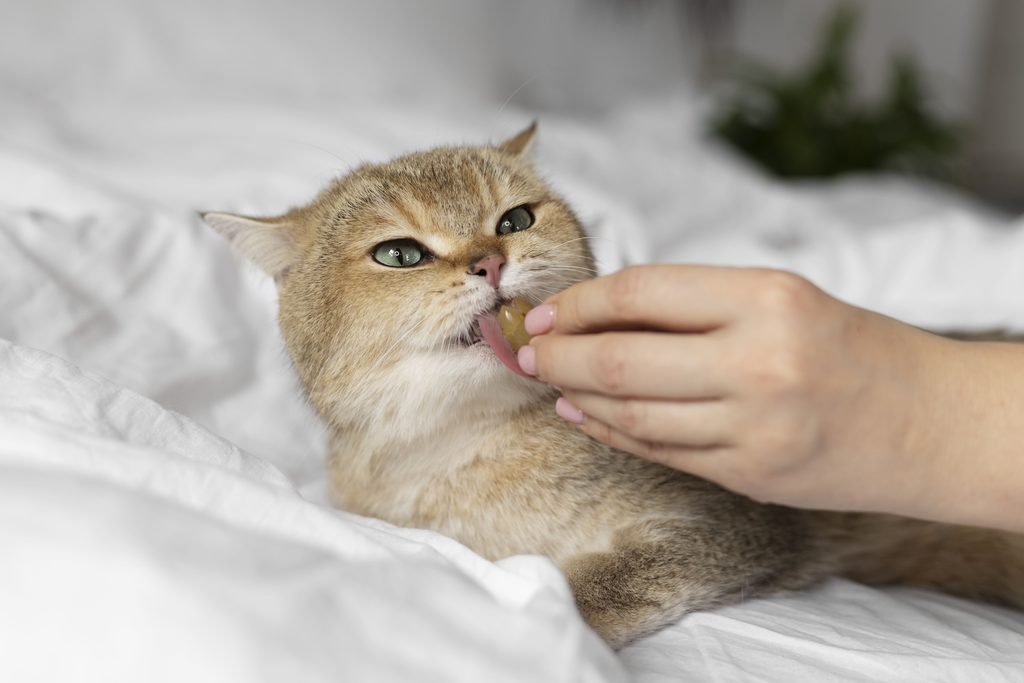
Reward Gentle Behaviour
Cats can learn through positive reinforcement, which means rewarding behaviour you want to encourage. If your kitten plays with a toy instead of grabbing your hand, offer praise or continue the enjoyable game. If your adult cat remains relaxed during a short handling session, you can reward them with a suitable treat.
The reward should follow the desired behaviour closely enough for your cat to make the connection. Keep sessions brief and stop before your cat becomes frustrated or uncomfortable. For food rewards, use small portions that fit within their normal diet.
Common Mistakes Owners Make When Dealing With Cat Biting
Allowing Rough Play in Kitten hood:
Many biting problems continue because owners accidentally encourage the behaviour or misunderstand what their cats are trying to communicate. These mistakes are common, especially among first-time cat owners, and they usually come from good intentions rather than a lack of care.
One frequent mistake is allowing rough play during kittenhood and then expecting the cat to stop biting automatically when it grows older. If your kitten has learned that chasing fingers is fun, the habit may continue unless you consistently provide better alternatives. Using appropriate toys from the beginning makes it easier to establish healthy boundaries.
Responding With Punishment:
Another mistake is responding to biting with punishment. Shouting, spraying water or physically correcting your cat may interrupt the behaviour temporarily, but it can also create fear and mistrust. A frightened cat may become more defensive, making the original problem worse.
Overlooking Warning Signs:
Some owners also overlook subtle warning signs during petting. A cat that starts flicking its tail or turning away may already be uncomfortable, even if it hasn’t hissed or growled. Continuing to stroke the cat can eventually lead to a bite that appears sudden but was preceded by quieter signals.
Ignoring Medical Issues:
Finally, it’s important not to assume that every biting problem is caused by boredom or poor training. A cat experiencing pain may become defensive when handled, and no amount of extra play will solve the underlying medical issue. If biting is new, severe or accompanied by other behavioural changes, veterinary advice should come before training.
Why Does My Cat Bite My Feet and Ankles?
If your cat regularly attacks your feet while you’re walking, you’re probably dealing with a form of play or hunting behaviour. Moving ankles can resemble small, fast-moving targets, especially to a young cat with plenty of energy.
This often happens when cats hide behind doors, furniture or curtains and wait for someone to walk past. The sudden movement provides an opportunity to stalk and pounce, which can become an exciting game if the person reacts by jumping, shouting or running away.
Try noticing when these attacks usually happen. If your cat targets your ankles at a particular time each day, introduce an interactive play session before that period. You can also provide suitable toys that encourage chasing and grabbing without involving your feet.
If you still wonder why is my cat biting me avoid deliberately moving your toes beneath blankets to entertain your cat, as this reinforces the same behaviour you’re trying to discourage. If an adult cat suddenly begins attacking ankles when they haven’t done so before, consider speaking to your vet to rule out discomfort or other causes.
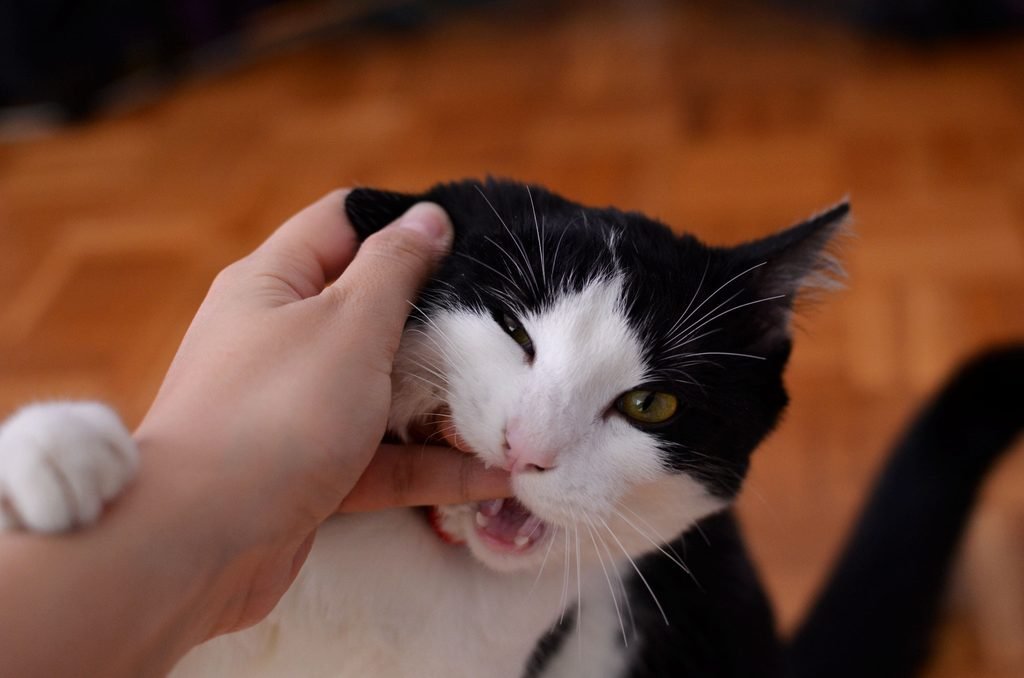
Can Stress or Changes at Home Make Cats Bite More?
Cats often feel more secure when their environment is predictable. Moving house, introducing another pet, welcoming a new baby or changing daily routines can create stress, particularly for cats that are sensitive to unfamiliar situations.
A stressed cat may hide more frequently, become less tolerant of handling or react defensively when approached. Some cats may also become more restless or show changes in their normal behaviour. Biting is only one possible response, so it’s important to consider other signs of stress as well.
Providing quiet resting areas, familiar bedding and reliable access to food, water and litter trays can help your cat feel more comfortable. If you have multiple cats, make sure each has access to essential resources without needing to compete.
When Should You Worry About Cat Biting?
Although playful biting is common, some situations deserve closer attention. A cat that suddenly becomes defensive, bites repeatedly without an obvious trigger or reacts painfully to normal handling may be experiencing a medical or behavioural problem.
Changes in appetite, grooming, movement or litter tray habits can provide additional clues. For example, a cat with painful joints may stop jumping onto furniture and begin biting when lifted. A cat with dental discomfort may resist having its head touched or become reluctant to eat.
Frequent biting accompanied by hissing, growling, hiding or intense fear should also be taken seriously. These behaviours may indicate that your cat is struggling with something in its environment or has learned to respond defensively to certain situations.
If biting is persistent, worsening or causing injuries, arrange a veterinary appointment. Your vet can investigate possible health problems and recommend a qualified behaviourist when appropriate. Early support is often more effective than allowing the problem to continue for months.
What Should You Do if a Cat Bite Breaks Your Skin?
Even a small cat bite can become infected because cats have sharp teeth that may create deep puncture wounds. If a bite breaks your skin, wash the area thoroughly with soap and warm water, then cover it with a clean dressing.
According to the NHS, you should seek urgent medical advice through NHS 111 if a bite affects your hand, foot, face or head, or if the wound becomes swollen, painful, hot or shows signs of infection. Large or deep wounds and bleeding that cannot be stopped require emergency medical assessment.
Don’t ignore a puncture wound simply because it looks minor. A healthcare professional may need to assess the risk of infection and determine whether treatment is necessary.
For more information, read the official NHS guidance on animal and human bites.
How Long Does It Take to Stop Kitten Biting?
One of the most common questions new owners ask is when their kitten will finally stop biting. Unfortunately, there isn’t one specific age when every kitten becomes gentle. Some become less mouthy as teething ends and they mature, while others continue rough play if they’ve learned to use hands and feet as toys.
The time it takes to improve depends on your kitten’s age, temperament, environment and previous experiences. A kitten that receives regular play opportunities and consistent guidance may gradually develop better bite control, but progress isn’t always immediate.
You might notice improvement over several weeks, followed by occasional setbacks when your kitten becomes particularly excited. This doesn’t necessarily mean the training has failed. Young cats are still developing, and consistent responses are more useful than expecting perfect behaviour every day.
However, don’t simply wait for a kitten to grow out of severe biting. If the behaviour causes repeated injuries, appears connected to fear or continues despite appropriate changes, ask your vet for advice.
Final Thoughts
If your cat keeps biting you, it’s understandable to feel confused or frustrated, especially when the behaviour seems to happen without warning. However, most biting has a reason, whether it’s playful excitement, teething, overstimulation, fear or physical discomfort. Understanding that reason is far more helpful than assuming your cat is being deliberately difficult.
Now you know why is my cat biting me and how to stop it. For kittens, the focus should be on developing healthy play habits and learning gentle boundaries. Adult cats may need changes to their environment, shorter handling sessions or additional support if stress or pain is involved. In both cases, patience, consistency and respect for your cat’s body language can make everyday interactions safer and more enjoyable.
Most importantly, remember that biting is a behaviour worth understanding, not simply punishing. By recognising your cat’s needs and responding appropriately, you can reduce unwanted biting while building a more trusting relationship with your feline companion.
Veterinary Disclaimer
This article is intended for general educational purposes and does not replace professional veterinary advice, diagnosis or treatment. Biting behaviour can sometimes be associated with pain, illness, fear or other medical and behavioural concerns. If your cat shows sudden aggression, unusual behaviour or signs of discomfort, consult a qualified veterinary surgeon. If a bite breaks a person’s skin, follow appropriate first-aid guidance and seek medical advice when needed.
Frequently Asked Questions About Cat and Kitten Biting
Is It Normal for Kittens to Bite Their Owners?
Yes, playful biting is common during kittenhood because young cats use their mouths while exploring and practising hunting skills. However, frequent painful biting shouldn’t be encouraged. Providing suitable toys, avoiding rough hand play and responding consistently can help kittens develop gentler habits.
Why Does My Kitten Bite Me So Much?
Your kitten may be biting because of playfulness, teething, excitement or a lack of suitable activities. Young kittens haven’t fully developed bite control, so even playful interactions can feel painful. Understanding when the biting happens can help you choose the most appropriate response.
Why Does My Cat Bite Me When I Stroke Them?
Some cats become uncomfortable after repeated petting, even if they initially enjoy the interaction. Watch for tail flicking, tense posture or attempts to move away. Shorter petting sessions and respecting your cat’s preferences may reduce biting.
Why Does My Cat Bite Me Gently and Then Walk Away?
A gentle bite followed by walking away may be your cat’s way of ending an interaction. It can also happen during play or social behaviour, depending on the situation. Rather than assuming the bite means affection, consider what your cat was doing beforehand and whether they appeared relaxed.
Why Does My Cat Bite Me at Night?
Cats can become more active during the evening and early morning, and some direct their playful energy towards moving hands or feet. A predictable routine, appropriate play and enough enrichment during the day may help. If nighttime biting begins suddenly or appears unusual, speak to your vet.
1. Why is my kitten biting me so much?
Kittens often bite because of playfulness, teething, curiosity, excess energy, or natural hunting instincts.
2. Is kitten biting normal?
Yes, playful biting is a very common part of healthy kitten development.
3. How do I stop my kitten from biting my hands?
Redirect biting toward toys, avoid rough hand play, and stop interaction calmly when biting becomes too rough.
4. Why does my kitten bite while playing?
Kittens naturally practise hunting and play skills through chasing, grabbing, and biting behaviour.
5. At what age do kittens stop biting?
Most kittens gradually improve as they mature, especially after teething and proper training.
6. Is my kitten aggressive or just playful?
Playful kittens usually appear energetic and relaxed, while aggressive kittens often show fear, tension, growling, or defensive body language.
7. Why does my kitten attack my feet?
Moving feet often trigger a kitten’s natural chase and hunting instincts during play.
8. Can teething make kittens bite more?
Yes, teething commonly increases chewing and biting behaviour because of gum discomfort.
9. Should I punish my kitten for biting?
No, punishment can create fear and stress. Positive redirection works much better.
10. Why does my kitten bite me during petting?
Some kittens become overstimulated during petting and bite as a signal they need space.