Introduction
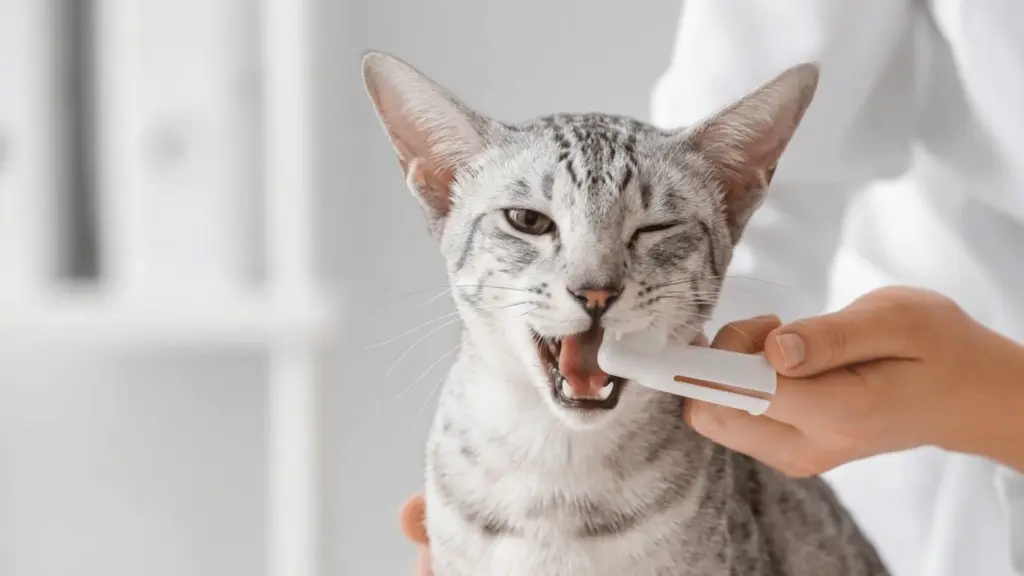
If you want to learn how to brush cat teeth safely, this guide will show you the easiest step-by-step method. Taking care of your cat’s teeth is an important part of keeping them healthy and comfortable. Just like humans, cats can develop plaque, tartar, bad breath, gum disease, and other dental problems if their teeth are not cleaned regularly.
Many cat owners ask how to brush cat teeth correctly without hurting their cat.Although many cats do not enjoy having their mouths handled at first, they can gradually become comfortable with tooth brushing when introduced to it slowly and gently.
In this guide, you will learn how to brush cat teeth at home, what tools you need, how often you should brush, and which common mistakes to avoid.
Why Is Dental Care Important for Cats?
Dental health is an essential part of your cat’s overall well-being. Plaque is a sticky layer of bacteria that forms on the teeth. If it is not removed, it can harden into tartar.
Over time, dental problems may cause:
- Bad breath
- Red or swollen gums
- Difficulty chewing
- Drooling
- Tooth loss
- Mouth pain
- Reduced appetite
Regular dental care can help reduce plaque buildup and support healthier teeth and gums.
When Should You Start Brushing Your Cat’s Teeth?
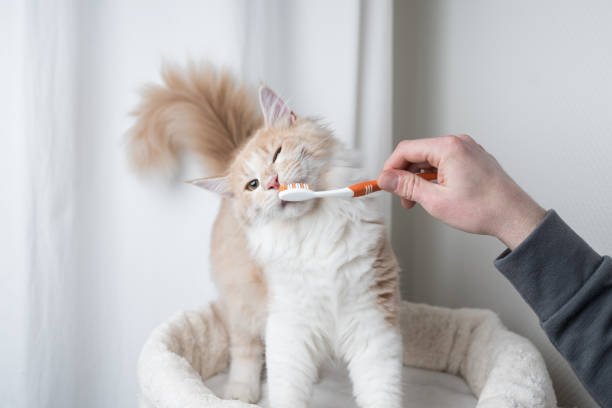
It is easier to introduce tooth brushing when a cat is young, but older cats can also learn.
The key is to start slowly. Do not immediately put a toothbrush into your cat’s mouth. Give your cat time to become comfortable with having its face, lips, and mouth touched.
If your cat already has significant tartar, painful gums, or other dental problems, speak with a veterinarian before starting a brushing routine.
What You Need to Brush Your Cat’s Teeth
Before you begin, collect the right supplies.
1. Cat-Safe Toothbrush
Use a toothbrush designed specifically for cats or a very soft small toothbrush suitable for pets.
2. Cat Toothpaste
Always use toothpaste made for cats or pets. Never use human toothpaste, because some ingredients can be harmful to cats if swallowed.
3. A Comfortable Location
Choose a quiet place where your cat feels safe and relaxed. Avoid forcing your cat into an uncomfortable position.
How to Brush Cat Teeth Step by Step
Step 1: Let Your Cat Get Used to You Touching Its Mouth
Start by gently touching your cat’s cheeks and lips. Reward calm behavior with praise or a small treat.
Repeat this process for several days until your cat becomes comfortable.
Step 2: Introduce the Toothpaste
Place a tiny amount of cat-safe toothpaste on your finger and allow your cat to smell or taste it.
The goal is to make the toothpaste familiar rather than frightening.
Step 3: Gently Touch the Teeth and Gums
Once your cat is comfortable, gently lift the lip and touch the teeth with your finger.
Do not rush. Spend only a few seconds at first.
Step 4: Introduce the Toothbrush
Let your cat sniff the toothbrush. You can put a small amount of pet toothpaste on it and allow your cat to become familiar with its texture.
Step 5: Start Brushing Slowly
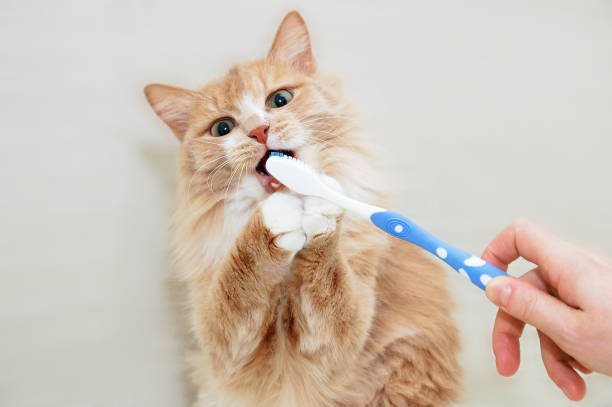
Lift your cat’s lip gently and brush the outside surfaces of the teeth using small, gentle movements.
Pay particular attention to the teeth near the back of the mouth, where plaque can accumulate.
You do not need to force your cat’s mouth wide open. The outside surfaces are the most important areas to reach.
Step 6: Keep the First Sessions Short
At first, brush for only a few seconds. Gradually increase the brushing time as your cat becomes more comfortable.
Always end the session calmly and positively.
How Often Should You Brush Cat Teeth?
Ideally, cats should have their teeth brushed regularly. Daily brushing is generally the most effective routine for controlling plaque.
However, if daily brushing is difficult, start with a schedule that you and your cat can maintain consistently. Even regular brushing is better than never brushing.
Your veterinarian can also recommend an appropriate dental-care routine based on your cat’s individual needs.
Common Mistakes to Avoid
Using Human Toothpaste
Human toothpaste is not designed for cats and may contain ingredients that are unsafe if swallowed.
Forcing Your Cat
Forcing your cat can create fear and make future brushing much harder. Introduce each step gradually.
Brushing Too Hard
Use gentle pressure. Aggressive brushing can irritate the gums and make your cat uncomfortable.
Trying to Brush for Too Long
Long sessions can overwhelm your cat. Short and positive sessions are better when you are starting.
Ignoring Signs of Dental Disease
Tooth brushing is preventive care, but it cannot replace veterinary treatment when dental disease is already present.
Signs Your Cat May Have Dental Problems
Contact a veterinarian if you notice signs such as:
- Persistent bad breath
- Red, swollen, or bleeding gums
- Difficulty eating
- Dropping food while eating
- Excessive drooling
- Pawing at the mouth
- Loose or damaged teeth
- Changes in eating habits
Cats can hide pain very well, so changes in behavior or eating should not be ignored.
Can Dental Treats Replace Tooth Brushing?
Dental treats and specially designed dental diets may provide additional support, but they should not automatically be considered a complete replacement for tooth brushing.
Ask your veterinarian which dental products are appropriate for your cat.
Professional Dental Care for Cats
Even with a good home-care routine, your cat may need professional dental examinations and treatment.
A veterinarian can examine your cat’s mouth and identify problems that may not be visible at home. If significant tartar or dental disease is present, professional cleaning may be recommended.
*What Tools Do You Need to Brush Cat Teeth Properly?*
Before you start, you need the right toolkit. This will make the process of how to brush cat teeth much easier.
1. Finger Brush vs Long Toothbrush:
For beginners, a silicone finger brush is best because cats feel less threatened. Once your cat is comfortable with how to brush cat teeth, you can switch to a long-handled cat toothbrush with soft bristles to reach the back teeth better.
2. Enzymatic Toothpaste for Cats:
Always use enzymatic toothpaste. These toothpastes continue to work even after brushing. Popular flavors are chicken and fish, which cats love. This makes learning how to brush cat teeth more positive for them.
3. Dental Wipes as an Alternative:
If your cat absolutely refuses a brush, you can start with dental wipes. They are not as effective as brushing but are better than nothing.

Final Thoughts
Brushing cat teeth may seem difficult at first, but patience and consistency can make the process much easier. Start slowly, use cat-safe dental products, keep sessions short, and reward your cat for calm behavior.
Most importantly, remember that tooth brushing is only one part of good dental care. Regular veterinary checkups can help identify dental problems early and keep your cat’s mouth healthy.
With a gentle approach and a consistent routine, you can make dental care a normal part of your cat’s everyday life.
Learning how to brush cat teeth regularly is the best way to prevent dental disease. If you want to master how to brush cat teeth without stress, start slowly and reward your cat.
For more expert advice, read this guide by Cornell University about cat dental care. Also check our internal guide: Best Cat Food for Healthy Teeth.
FAQ – Frequently Asked Questions
Q1: My cat bites when I try to brush, what to do?
You are moving too fast. Go back to step 1. Just let your cat lick toothpaste from your finger for 2-3 days. Do not force the mouth open. Patience is the key to master how to brush cat teeth.
Q2: Can I use coconut oil to brush cat teeth?
Coconut oil has some antibacterial properties but it cannot replace enzymatic cat toothpaste. You can use a tiny amount to get your cat used to the brushing feeling, but for real cleaning, use vet-approved toothpaste.
Q3: What are the signs of dental disease in cats?
Bad breath, red and swollen gums, yellow tartar on teeth, drooling, difficulty eating, and pawing at the mouth. If you see these, visit your vet immediately. Regular brushing will prevent all of this.
Q4: At what age should I start brushing my kitten’s teeth?
You can start at 8-12 weeks. Start with just massaging their gums with your finger. The earlier you start teaching how to brush cat teeth, the easier it will be when they are adults.