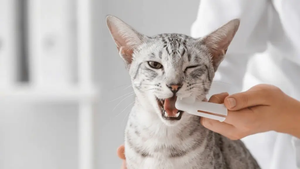
Bringing home a new kitten is exciting. You might already be imagining tiny paws racing across the living room, playful moments and a little companion curling up beside you. However, once you start preparing for your kitten’s arrival, you may realise there is quite a lot to organise.
Have you got everything your kitten needs for those first few days? From choosing the right food and setting up a litter tray to preparing for the first vet visit, a little planning can make the transition easier for both of you.
This new kitten checklist UK guide covers the essentials you should prepare before your kitten arrives, what to do during the first 24 hours, and how to build healthy routines from the beginning. You do not need to buy every cat product available. The goal is to create a safe, comfortable home where your kitten can settle in at their own pace.

Quick New Kitten Checklist UK
Before bringing your kitten home, make sure you have the basics ready.
- Age-appropriate kitten food and clean water
- Separate food and water bowls
- A suitable, easy-to-access litter tray and unscented litter
- A comfortable bed and a quiet hiding place
- A scratching post
- Safe toys for supervised play
- A secure cat carrier
- A few grooming supplies, such as a suitable brush
- A plan for veterinary care, vaccinations and parasite prevention
- A kitten-proofed room where your new companion can settle
You can add other items later as you learn your kitten’s individual preferences.
1. Prepare Your Home Before Your Kitten Arrives
Kittens are curious by nature, and even an ordinary home can contain unexpected hazards. Preparing your space beforehand helps you focus on getting to know your new companion instead of rushing around looking for supplies.
Create a quiet safe room
Choose a calm room or a secure area where your kitten can eat, drink, sleep, hide and use the litter tray. Keep the space comfortable and free from loud noises or too much activity.
Place food and water away from the litter tray. Give your kitten a cosy bed and a safe hiding place, such as a suitable covered cat bed or a sturdy cardboard box.
Start with this smaller area rather than giving your kitten access to the whole house immediately. Once they seem comfortable, allow them to explore additional rooms gradually.
Remove common household hazards
Before your kitten arrives, check the home from floor level. Secure loose electrical cables, put small objects away and block access to unsafe gaps behind appliances or furniture.
Keep cleaning products, medicines and other potentially harmful substances out of reach. Check your houseplants carefully, too, as some plants, including lilies, are highly toxic to cats.
Finally, check windows, balconies, and exterior doors to prevent accidental escapes. A kitten may be small, but they can move surprisingly quickly. Always remember the new kitten checklist UK for your new friend.
2. Essential Kitten Supplies to Buy
You do not need an expensive shopping list to become a responsible cat owner. Start with practical essentials that support your kitten’s comfort, hygiene and daily routine.

Food and water bowls
Choose easy-to-clean bowls made from suitable materials such as ceramic or stainless steel. Keep fresh water available throughout the day, with the water bowl placed away from the litter tray.
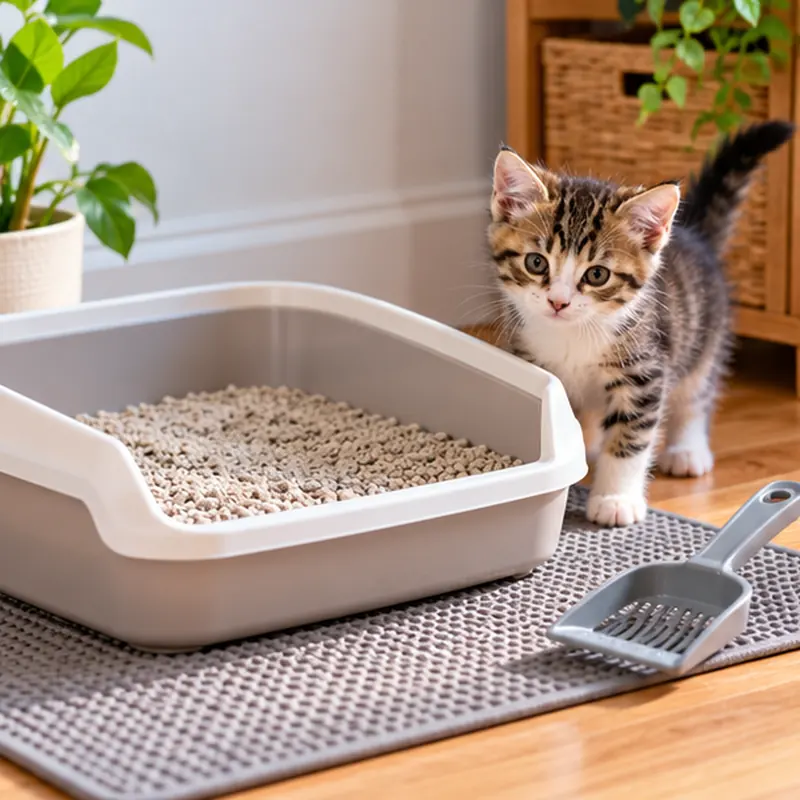
Litter tray and litter
Choose a tray your kitten can enter comfortably. Unscented litter is a sensible starting point, and you can ask the breeder or rescue centre which litter your kitten already uses.
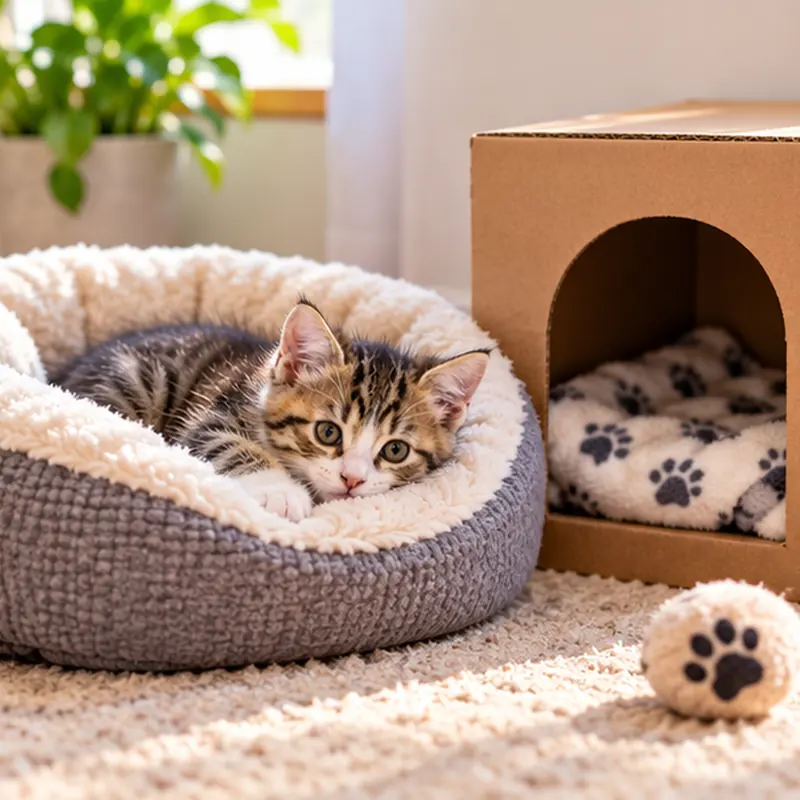
Bed and hiding place
Provide a warm, comfortable resting area and somewhere your kitten can retreat when they need quiet time.
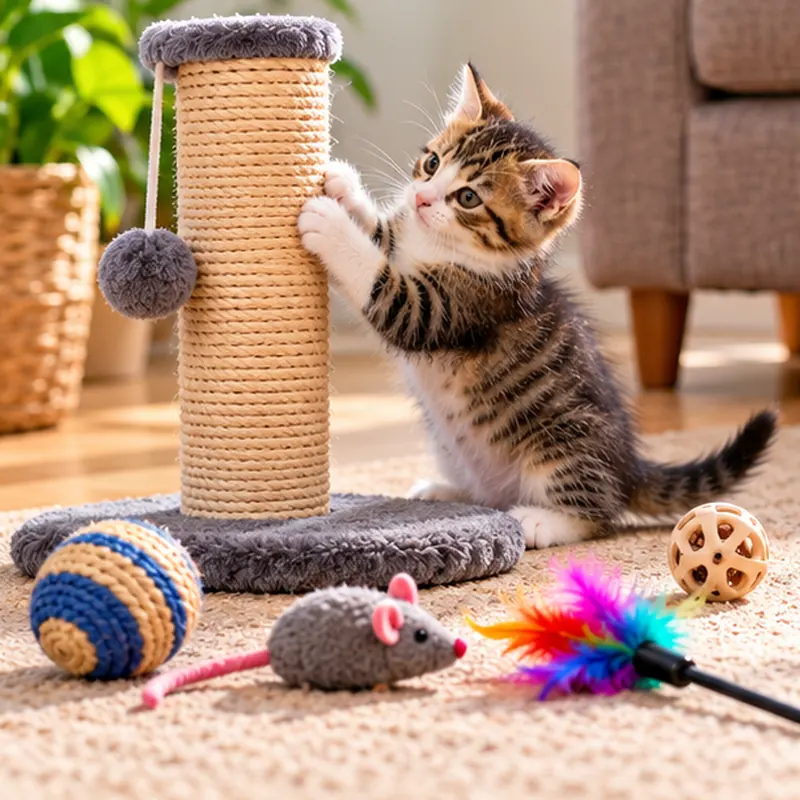
Scratching post and toys
A sturdy scratching post gives your kitten an appropriate place to scratch. Interactive toys, soft balls and supervised play help provide exercise and mental stimulation.
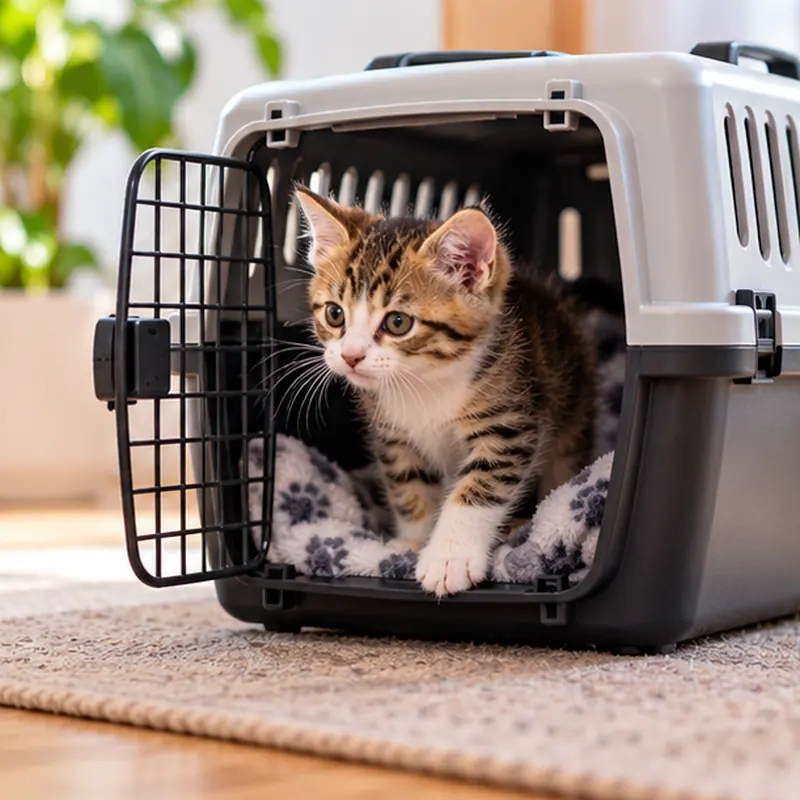
Secure cat carrier
CChoose a well-ventilated carrier that is easy to secure and large enough for your kitten to sit and turn around comfortably. It will be useful for vet visits and other necessary journeys.
3. What to Do During the First 24 Hours
The first day in a new home can feel overwhelming for a kitten. They have left familiar surroundings and may be adjusting to new smells, sounds and people.
When you arrive home, take the carrier into the prepared room and open its door. Let your kitten come out when they feel ready. Some kittens start exploring immediately, while others prefer to hide for a while.
Keep visitors, loud noises and unnecessary handling to a minimum. Sit nearby and speak gently, but do not force your kitten to be held or cuddled.
Offer the food they are already familiar with, along with fresh water. A sudden food change can upset their stomach, so ask the breeder or rescue centre what they have been eating and continue with it initially.
Show your kitten where the litter tray is and allow them to explore it without pressure. At bedtime, make sure they have access to their safe room, water, litter tray and comfortable resting place.
What if your kitten hides or seems nervous? Give them time and let them approach you voluntarily. Gradual introductions and positive experiences can help kittens settle into their new environment. Cats Protection’s guide to bringing home a new kitten offers further advice on this transition.
However, don’t simply assume that a kitten who refuses food is being fussy. Young kittens can become unwell quickly, so if your kitten is not eating, seems unusually weak or lethargic, vomits repeatedly, develops diarrhoea, or otherwise seems unwell, contact your vet for advice rather than waiting for the problem to resolve on its own.
4. How to Feed Your New Kitten
Good nutrition supports your kitten’s growth and development, but choosing food does not need to be complicated. Good nutrition is essential during your kitten’s first year because their body is growing rapidly.
Choose food made for kittens
Kittens have different nutritional needs from adult cats. Choose a complete kitten food that is specifically formulated for growing cats rather than relying on adult cat food.
When your kitten first arrives, it is usually best to continue feeding the same food they were already eating. Changing food suddenly can cause digestive upset, so if you want to introduce a different food, make the change gradually over several days.
Wet food, dry food or a combination may be appropriate, depending on the product and your kitten’s needs. Your vet can help you choose a suitable diet and portion sizes. Kittens need the right balance of nutrients, energy, protein, vitamins and minerals to support healthy development.
How often should a kitten eat?
Young kittens have small stomachs, so they generally do better with several small meals throughout the day rather than one or two large meals.
Follow the feeding guide on the food packaging and adjust the amount according to your kitten’s age, size and body condition. Your vet can also help you decide how much your individual kitten needs.
Keep fresh water available
Provide fresh water at all times and clean the bowl regularly. Do not assume that milk is necessary for a growing kitten. Cow’s milk can cause digestive upset, so fresh water is the better everyday drink. Avoid feeding table scraps or foods that may be unsafe for cats, including chocolate, onions and garlic.
If you change your kitten’s food, introduce the new food gradually unless your vet advises otherwise. Monitor their appetite, weight and general condition, and seek veterinary advice if you notice persistent digestive problems or changes in eating.
5. Litter Training Your Kitten
Most kittens learn to use a litter tray readily, especially when they have already been introduced to one. A suitable setup makes the process easier.
Place the tray somewhere quiet and accessible, away from food and water. A young kitten should not need to climb over a high edge to get inside.
After meals or naps, you can gently show your kitten where the tray is. However, avoid holding them inside it or forcing them to dig. Let them investigate naturally.
Keep the tray clean by removing waste regularly. Strong fragrances and a difficult-to-access location may put some cats off using it.
If accidents happen, clean the area thoroughly and remain patient. Never punish your kitten for toileting outside the tray.
If your kitten repeatedly avoids the tray, appears uncomfortable or strains when urinating, do not assume it is simply a training problem. Contact your vet, especially if your kitten cannot pass urine. Litter training is also in the new kitten checklist UK.
For more troubleshooting advice as your kitten grows, read our guide on why a cat may not use the litter box .
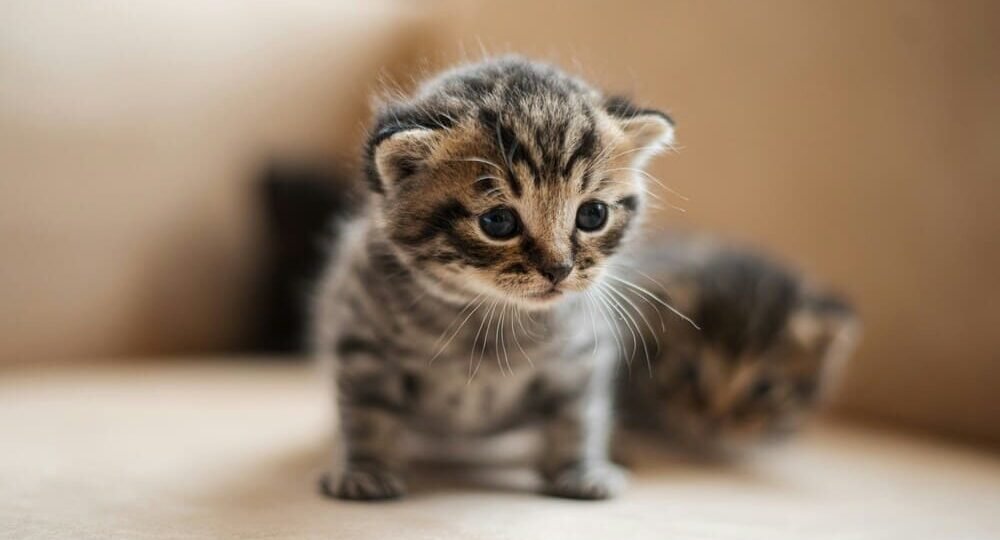
6. Your Kitten’s First Vet Visit and Vaccinations
Even if your kitten looks healthy, arranging veterinary care is an important part of responsible ownership.
If you have not already arranged an appointment, contact a local veterinary practice soon after bringing your kitten home. The vet can assess their health, review their records and advise you about the next steps.
During the appointment, discuss:
- Health checks: General condition, weight, eyes, ears, mouth and any concerns you have noticed.
- Vaccinations: Which vaccines your kitten needs and when the doses should be given.
- Flea and worm treatment: Which products are appropriate for your kitten’s age and weight.
- Microchipping: Whether it has already been done and what your legal responsibilities are where you live.
- Neutering: Appropriate timing and what to expect.
- Diet and development: Feeding, growth, behaviour and any breed-specific concerns.
Vaccination schedules can vary according to the vaccine, your kitten’s history and your vet’s advice. For further background, see the PDSA guide to cat and kitten vaccinations .
Kitten Vaccinations in the UK
Vaccinations are one of the most important parts of your kitten’s early healthcare. They help protect young cats against serious infectious diseases, including feline herpesvirus, feline calicivirus and feline parvovirus (enteritis).
A kitten’s primary vaccination course usually begins at around 8–9 weeks of age, with another vaccination given around 3–4 weeks later. The exact schedule can vary depending on the vaccine used and your kitten’s individual circumstances, so your vet should confirm the dates.
Don’t assume that one injection means your kitten is fully protected. Make sure you receive the vaccination record from the breeder or rescue centre and ask your vet when the next dose is due.
Even indoor kittens should normally be vaccinated. Infectious diseases can still enter a home through other animals, people, clothing or shoes, so staying indoors does not completely remove the risk.
Important:
I would not write a rigid statement such as “every kitten needs exactly two vaccines”. Veterinary vaccination schedules can vary. The article should give the usual UK pattern and tell the owner to follow their vet’s schedule.
When Should You Contact a Vet?
Kittens are still developing and can become seriously unwell more quickly than adult cats. Don’t wait for a routine appointment if your kitten appears significantly unwell.
Contact your vet promptly if your kitten:
- refuses food or stops eating
- becomes unusually weak or lethargic
- has repeated vomiting
- develops diarrhoea, particularly if it is severe or persistent
- has difficulty breathing
- seems to be in pain
- has difficulty passing urine or repeatedly strains in the litter tray
- develops a sudden or concerning change in behaviour
If you’re worried about your kitten, it’s better to speak to your veterinary practice rather than trying to diagnose the problem yourself. Cats Protection specifically advises owners to contact a vet straight away if a young kitten seems unwell.
Is microchipping compulsory in the UK?
The rules depend on where you live. Microchipping your kitten in UK is an important part of responsible kitten care because it provides a permanent way to identify your cat if they become lost or injured.
In England, owned cats must be microchipped and registered on an approved database by the time they reach 20 weeks of age. This requirement also applies to cats that normally stay indoors. Owners should keep their contact details up to date.
In Scotland, Wales and Northern Ireland, cat microchipping is currently voluntary rather than a legal requirement. However, it is still recommended as a useful way to identify a lost or stolen cat.
Your vet can advise you on the appropriate timing for your kitten, particularly if microchipping is being planned alongside vaccinations or neutering.
This is much better than saying “microchipping is required in the UK”. That wording is factually too broad.
Check the official GOV.UK microchipping guidance for the rules that apply to your location. Keep your kitten’s vaccination records, microchip details and veterinary paperwork together so you can find them easily when needed.
7. Socialisation and Building Confidence
A kitten needs more than food, shelter and a clean litter tray. Positive early experiences also help them learn how to cope with everyday life.
Introduce ordinary household sounds, gentle handling, grooming and new people gradually. Keep experiences calm and positive, and allow your kitten to move away if they seem frightened.
Avoid overwhelming them with lots of visitors or unfamiliar animals at once. If you have other pets, introduce them gradually and give each animal a safe place to retreat.
Play is another useful way to build trust. Short, regular sessions with appropriate toys give your kitten an opportunity to explore, practise natural behaviours and interact with you.
Early socialisation begins before a kitten arrives home and continues as they grow. You can read more in the PDSA kitten socialisation guide .
Remember that kittens have individual personalities. Some become confident quickly, while others need more time and patience.
8. Common Mistakes First-Time Kitten Owners Should Avoid
Even caring owners can make mistakes when they are new to kitten care. Fortunately, many are easy to prevent.

Giving too much freedom too soon: Begin with a safe room and expand your kitten’s access gradually.
Changing food suddenly: Continue with familiar food initially and make dietary changes gradually when appropriate. Ignoring litter tray problems: Repeated accidents or changes in toileting can have medical as well as environmental causes.
Forcing interaction: Allow your kitten to approach you and retreat when they need space.
Skipping preventive care: Keep up with veterinary advice on vaccinations, parasite prevention, microchipping and neutering.
Buying unnecessary products: Start with essential supplies and add other items as your kitten’s needs become clearer.
Ignoring signs of illness: Kittens can become unwell quickly. Seek veterinary advice if you notice worrying or persistent symptoms rather than assuming they will settle on their own.
Plan for Neutering
Neutering should be part of your kitten’s early healthcare plan. Cats Protection recommends neutering kittens at around four months of age or younger, although the appropriate timing should be discussed with your vet based on your kitten’s health and circumstances.
Planning ahead is particularly important because cats can reach reproductive age surprisingly young. Speak to your vet early so you know when your kitten’s procedure should be scheduled.
Final Thoughts
Preparing for a new kitten does not mean buying everything in the pet shop or getting every detail right on the first day. It means creating a safe environment, providing appropriate food and water, setting up a clean litter tray and arranging the veterinary care your kitten needs. Do which say checklist for new kitten owners.
Take the first few days slowly. Let your kitten explore at their own pace, build a predictable routine and pay attention to changes in their behaviour or health.
With patience, preparation and consistent care, you can help your new companion feel secure while you learn what works best for both of you.
Whether this is your first kitten or your first time caring for one on your own, a thoughtful new kitten checklist can help you give them a confident, comfortable start in their new home.
Frequently Asked Questions
1. What do I need before bringing a kitten home?
Prepare kitten food, food and water bowls, a litter tray, suitable litter, bedding, a scratching post, safe toys and a secure carrier. Set up a quiet, kitten-proofed room before arrival.
2. What is the best age to bring a kitten home?
Kittens should generally stay with their mother until at least eight weeks old, unless individual welfare circumstances require a different arrangement. Some breeders keep pedigree kittens until around 12–13 weeks. Ask about the kitten’s health, development and socialisation before bringing them home.
3. How long does a kitten take to settle into a new home?
Some kittens begin exploring within hours, while others need days or longer to feel comfortable. Provide a safe space, maintain a calm routine and let your kitten adjust at their own pace.
4. How often should I feed a kitten?
Young kittens usually need several small meals daily. Follow the feeding instructions for their age and food, and ask your vet for individual advice.
5. Can kittens drink cow’s milk?
Cow’s milk can cause digestive upset in kittens and is not needed as a routine drink. Provide fresh water and use a suitable kitten milk replacer only when appropriate, such as for an orphaned kitten under veterinary guidance.
6. How do I litter train a kitten?
Provide a clean, accessible tray in a quiet location. Show your kitten where it is, particularly after meals and naps, and avoid punishment if accidents occur.
7. When should my kitten have its first vet visit?
Arrange veterinary care soon after bringing your kitten home, particularly if you do not have complete health records. Your vet can advise on vaccinations, parasite prevention and general care.
8. Do indoor kittens need vaccinations?
Indoor cats can still be exposed to infectious diseases. Ask your vet which vaccinations are appropriate for your kitten’s circumstances.
9. Is microchipping compulsory for cats in the UK?
In England, cats must be microchipped and registered by 20 weeks of age. In Scotland, Wales and Northern Ireland, microchipping cats is currently voluntary under government guidance. Check the official rules for your location.
10. What should I do if my new kitten is not eating?
A change of environment can affect appetite, but kittens should not be left without food while you wait for them to adjust. Contact your vet promptly if your kitten refuses food, particularly if they are very young, weak or showing other symptoms.