Why is my cat losing weight but still eating? It can be concerning when your cat has a normal appetite but is slowly losing weight. While some cats naturally have a slim body shape, unexplained or ongoing weight loss can be a sign that something is affecting their health.
Cats can lose weight for many different reasons, even when they continue to eat normally. The cause may be something relatively simple, such as intestinal parasites or dental problems, or it may be linked to an underlying health condition that needs veterinary attention.
Some conditions, including hyperthyroidism and diabetes, can cause cats to lose weight despite having a good appetite. Digestive problems can have a similar effect when the body cannot properly digest or absorb nutrients from food.
Weight loss may not always be the only noticeable change. You might see increased thirst, more frequent urination, vomiting, diarrhea, lower energy, or changes in your cat’s eating habits. These signs can provide useful clues about the possible cause.
It can be difficult to notice gradual weight loss, especially in cats with thick or long coats. Keeping track of your cat’s weight and paying attention to changes in appetite, behavior, and daily habits can help you recognize a problem sooner.
In this article, we’ll cover seven possible causes, practical solutions, and the warning signs that mean your cat may need veterinary care. Understanding why your cat is losing weight can help you take the right steps and get appropriate help when needed.
Why Is My Cat Losing Weight but Still Eating?
It can be worrying when a cat continues to eat normally but gradually becomes thinner. Eating well does not always mean that the body is using food properly. Weight loss can happen when a cat is burning more calories than usual, having trouble absorbing nutrients, or developing an underlying health problem.
There are several possible reasons for this change. Hyperthyroidism and diabetes, for example, can cause weight loss even when a cat has a normal or increased appetite. Intestinal parasites and digestive problems may also affect how nutrients are digested or absorbed. This is why simply giving your cat more food may not fix the problem.
Pay attention to other changes that may happen alongside weight loss, including:
- Drinking more water or urinating more often
- Vomiting or diarrhea
- Low energy or unusual tiredness
- Changes in appetite or eating habits
- Changes in behavior coat condition
Furthermore, gradual weight loss can be easy to miss, especially in cats with long or thick fur. If your cat continues to become thinner despite eating normally, a veterinary examination is important. Finding the underlying cause early can help your cat receive the right treatment and support.
7 Possible Causes of Weight Loss in Cats
1. Hyperthyroidism
If you are wondering why is my cat losing weight but still eating, hyperthyroidism is one possible cause. It occurs when the thyroid gland produces too much thyroid hormone, causing your cat’s metabolism to work faster than normal. This means the body uses energy more quickly, which can lead to weight loss even when your cat has a good appetite. Hyperthyroidism is more common in older cats, so regular health checks are particularly important as cats age.
Common signs can include:
- Restlessness or increased activity
- Fast heartbeat
- Vomiting
- Diarrhea
- Poor coat condition
If you notice these changes, especially ongoing weight loss despite a good appetite, a veterinary examination can help determine whether an overactive thyroid is responsible.
2. Diabetes
Diabetes occurs when a cat’s body cannot produce enough insulin or cannot use it properly, causing high blood sugar levels. Your cat may continue eating normally or even have an increased appetite but still lose weight because its body cannot use glucose effectively for energy.
Common signs of diabetes include:
- Increased thirst
- Frequent urination
- Increased hunger
- Tiredness or weakness
If you notice these signs along with ongoing weight loss, your vet can perform blood and urine tests to check for diabetes and recommend appropriate treatment.
3. Intestinal Parasites
Intestinal parasites, including certain types of worms, can affect a cat’s digestive system and interfere with the way nutrients are absorbed. In some cases, this can contribute to weight loss even when the cat continues to eat.
The signs can vary depending on the type of parasite and the severity of the infection. You may notice:
- Diarrhea or vomiting
- Changes in stool
- A dull or poor-quality coat
- Changes in appetite
- Poor weight gain or weight loss
Parasites are more likely in some cats depending on their age, lifestyle, and exposure to contaminated environments. If parasites are suspected, a veterinarian may recommend a stool examination and suitable treatment.
4. Digestive or Intestinal Problems
Some digestive and intestinal conditions can make it difficult for a cat to properly digest food or absorb important nutrients. This means your cat may appear to be eating enough but still fail to maintain a healthy body weight.
Digestive problems may cause other noticeable changes, such as:
- Vomiting
- Diarrhea
- Changes in stool
- Reduced energy
- Changes in appetite
The cause can vary from one cat to another, so ongoing weight loss should not simply be blamed on a sensitive stomach. A veterinarian may recommend different tests depending on your cat’s symptoms and medical history.
5. Kidney Disease
Kidney disease can affect a cat’s ability to filter waste products from the blood and maintain a healthy balance of fluids and minerals. As the condition develops, your cat may lose weight even if it continues eating. The changes can be gradual, so they may not always be easy to notice at first.
Signs that may suggest kidney problems include:
- Bad breath
- Pale or dry gums
- Vomiting or nausea
- Poor coat condition
- Mouth ulcers
If you notice these signs together with ongoing weight loss, arrange a veterinary check-up. Blood and urine tests can help your vet assess kidney function and identify the underlying problem.
6. Dental Problems
Dental disease can contribute to weight loss when eating becomes painful or uncomfortable. A cat may still approach its food and appear interested in eating, but mouth pain can make chewing difficult. Some cats may start eating more slowly or prefer softer food.
Look out for signs such as:
- Bad breath
- Drooling
- Difficulty chewing
- Dropping food while eating
- Changes in eating habits
Dental problems are not always easy to see at home because some painful conditions can develop below the gumline. A veterinary examination can help identify dental disease, gum problems, or painful teeth that may be affecting your cat.
7. Cancer or Other Serious Illness
Persistent and unexplained weight loss can sometimes be associated with cancer or another serious underlying illness. However, weight loss alone does not mean that a cat has cancer. Many other health conditions can cause similar changes.
It is particularly important to pay attention if weight loss occurs together with:
- Ongoing weakness
- Vomiting or diarrhea
- Changes in appetite
- Unusual behavior
- Other persistent changes in health
If your cat continues to become thinner despite eating, a veterinarian should investigate the cause. Depending on the symptoms, the vet may recommend blood tests, urine tests, imaging, or other diagnostic tests to understand what is happening.
What Can You Do If Your Cat Is Losing Weight?
The first step is to pay attention to how much weight your cat is losing and whether there are any other changes in its daily routine. Gradual weight loss can be difficult to notice, especially in cats with long or thick coats, so keeping track of your cat’s weight can be helpful.
If you are concerned about why is my cat losing weight but still eating, start by monitoring your cat’s eating and drinking habits. Notice whether your cat is eating the same amount as usual, asking for food more often, or suddenly becoming less interested in meals. It is equally important to watch for changes in thirst, urination, stool, energy levels, and behavior.
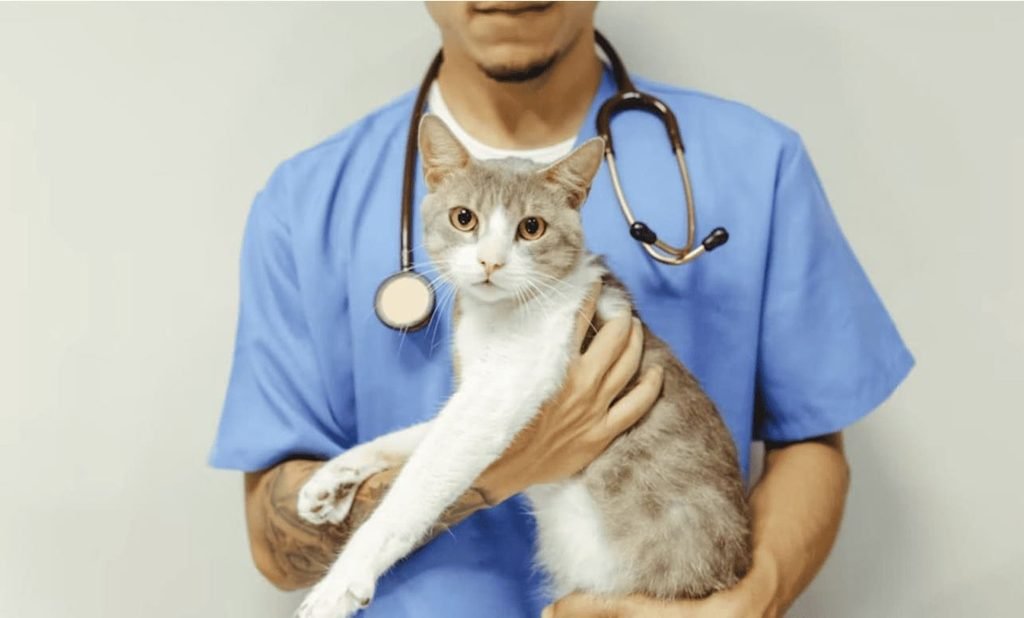
You can take a few simple steps at home while arranging appropriate veterinary advice:
- Monitor your cat’s weight regularly and keep a record of any changes.
- Offer a complete and balanced cat food that is suitable for your cat’s age and nutritional needs.
- Make sure your cat has access to fresh, clean water throughout the day.
- Keep track of vomiting, diarrhea, changes in stool, or other unusual symptoms.
- Avoid suddenly changing your cat’s diet, as abrupt food changes can sometimes cause digestive upset.
- Do not give supplements or medicines unless they have been recommended by a veterinarian.
It is important not to assume that giving your cat more food will solve the problem. Weight loss can have many different causes, and the right solution depends on what is affecting your cat’s health. For example, a dental problem may require dental treatment, while conditions such as diabetes or hyperthyroidism need specific veterinary management.
If your cat continues to lose weight despite eating normally, book a veterinary examination rather than waiting for the problem to resolve on its own. A vet can assess your cat’s body condition, examine for other signs of illness, and recommend appropriate tests if needed. Finding the underlying cause early can make it easier to provide the right care and support your cat’s health.
How Do Vets Find the Cause?
When a cat is losing weight without an obvious reason, a veterinarian will usually look at the whole picture rather than relying on one symptom. The vet may ask about your cat’s appetite, drinking habits, behavior, and recent weight changes. They may also ask how long the weight loss has been happening and whether you have noticed vomiting, diarrhea, or changes in urination.
If you are wondering why is my cat losing weight but still eating, the veterinarian will consider your cat’s symptoms, age, medical history, and physical examination before deciding which tests may be helpful. These tests can help identify an underlying health problem and guide the most appropriate treatment.
Physical Examination
The vet will begin with a thorough physical examination. They may check your cat’s body condition and muscle mass, listen to the heart and lungs, examine the mouth and teeth, and feel the abdomen for anything unusual.
The veterinarian may also check your cat’s temperature, hydration, and general condition. This initial examination can provide important clues about what might be causing the weight loss.
Blood Tests
Blood tests can provide useful information about how different organs are functioning. Depending on the symptoms, the veterinarian may check blood glucose, kidney function, liver function, thyroid hormone levels, and blood cell counts.
These tests can help detect or support the diagnosis of conditions such as diabetes, kidney disease, hyperthyroidism, infection, or other health problems.
Urine Tests
A urine test can give the veterinarian additional information that may not be clear from a physical examination alone. It can help assess urine concentration, glucose, protein, blood, and other abnormalities.
Urinalysis is particularly useful when a cat has increased thirst or urination, as these changes can occur with conditions such as diabetes and kidney disease.
Stool Tests
If intestinal parasites are suspected, the veterinarian may recommend a stool examination. A sample can be checked for evidence of certain worms or other intestinal parasites that may contribute to digestive problems or weight loss.
Your vet may advise how to collect the sample and whether additional testing is needed, depending on your cat’s symptoms and medical history.
Other Diagnostic Tests
Sometimes blood, urine, and stool tests are not enough to identify the cause. If your cat’s symptoms require further investigation, the veterinarian may recommend additional tests, such as:
- X-rays
- Ultrasound
- Additional blood tests
- Other specialised diagnostic tests
The tests chosen will depend on your cat’s individual symptoms and the findings from the initial examination. This step-by-step approach helps the veterinarian narrow down the possible causes and develop an appropriate care plan.
When to Worry About Your Cat Losing Weight
A small change in your cat’s weight may not always mean there is a serious problem, but ongoing or unexplained weight loss should not be ignored. Cats can hide signs of illness, so changes that seem minor at first may become more noticeable as an underlying condition develops.
You should pay closer attention if your cat is becoming thinner while other changes are happening at the same time. These may include:
- Loss of appetite or unusual hunger
- Increased thirst or frequent urination
- Vomiting or diarrhoea
- Low energy or weakness
- Changes in behavior
- Difficulty eating or chewing
- Changes in the coat or general appearance
In addition, rapid or noticeable weight loss is more concerning than a small change that happens gradually. If your cat is losing weight without any clear reason, arrange a veterinary examination rather than trying to treat the problem at home.
Also, seek veterinary advice promptly if weight loss is accompanied by repeated vomiting, severe diarrhea, marked weakness, difficulty breathing, or an inability to eat or drink. These signs can indicate a more urgent health problem and should be assessed by a professional.
Keeping a record of your cat’s weight, appetite, drinking, and other symptoms can be useful when speaking with your veterinarian. Early veterinary attention can help identify the underlying cause and give your cat the best chance of receiving appropriate care.
Final Thoughts: Helping Your Cat Stay Healthy
If you are wondering why is my cat losing weight but still eating, ongoing or unexplained weight loss should not be ignored. Even when your cat seems interested in food and is eating normally, there may be a health problem affecting how its body uses nutrients and energy. Paying attention to these changes can help you recognize a problem before it becomes more serious.
Several conditions can cause weight loss in cats, including hyperthyroidism, diabetes, intestinal parasites, digestive problems, and kidney disease. Some cats may show other signs at the same time, such as increased thirst, frequent urination, vomiting, diarrhea, changes in behavior, or lower energy. Because different conditions can cause similar symptoms, finding the actual cause is important.
Keep a close eye on your cat’s weight, appetite, thirst, urination, energy levels, and behavior. Weighing your cat regularly and keeping a simple record of any changes can be useful. This is especially helpful for cats with long or thick coats, as gradual weight loss may not be obvious just by looking at them.
If your cat continues to become thinner, avoid trying to solve the problem by simply offering more food or giving supplements without professional advice. A veterinarian can check your cat’s overall condition and may recommend blood tests, urine tests, stool tests, or other diagnostic tests depending on the symptoms. The right treatment will depend on what is causing the weight loss.
Getting veterinary advice early can make a meaningful difference to your cat’s health and recovery. Once the underlying problem is identified, appropriate treatment and nutritional support can help your cat return to a healthier condition. With regular monitoring, good nutrition, and proper veterinary care, you can give your cat the best chance of maintaining a healthy body weight and good quality of life.
Frequently Asked Questions About Cat Weight Loss 🐱
1. Why is my cat losing weight but still eating?
Possible causes include hyperthyroidism, diabetes, intestinal parasites, and digestive problems. A veterinarian can help identify the underlying cause.
2. Why is my cat losing weight but eating more?
Weight loss with an increased appetite can occur with conditions such as hyperthyroidism and diabetes. Veterinary testing can help determine the cause.
3. Can diabetes cause weight loss in cats?
Yes. Diabetes can cause weight loss even when a cat eats normally or has an increased appetite. Increased thirst and urination may occur as well.
4. Can worms cause weight loss in cats?
Yes. Intestinal parasites can interfere with digestion and nutrient absorption, which may contribute to weight loss.
5. Can kidney disease cause weight loss in cats?
Yes. Kidney disease can cause gradual weight loss, particularly in older cats. Increased thirst and urination may occur too.
6. Can dental problems make a cat lose weight?
Yes. Dental pain can make chewing uncomfortable, causing a cat to eat less or avoid certain foods.
7. Is it normal for an older cat to lose weight?
If you are wondering why is my cat losing weight but still eating, ongoing or unexplained weight loss is not a normal part of ageing. An older cat should be checked by a veterinarian to find the cause.
8. How can I help my cat gain weight?
The cause should be identified before trying to increase your cat’s weight. A veterinarian can recommend the right diet and treatment.
9. When should I worry about my cat losing weight?
Seek veterinary advice if weight loss is ongoing or noticeable, especially with vomiting, diarrhea, weakness, increased thirst, or changes in appetite.
10. What tests can find the cause of weight loss in cats?
A vet may recommend blood tests, urine tests, stool tests, X-rays, or ultrasound, depending on your cat’s symptoms.