Maine Coons are among the most recognisable cat breeds in the world, known for their impressive size, long, flowing coats and friendly personalities. However, if you’re thinking about welcoming one into your home, the first question is usually about money. How much does a Maine Coon cat cost in the UK, and what should you expect to pay for a healthy, well-bred kitten?
In 2026, the Maine Coon cat price UK commonly falls between £1,000 and £1,600 for a pedigree kitten from an established breeder, although some kittens cost £1,800 or more. Prices can vary depending on the breeder, pedigree, registration, health testing and what is included before the kitten goes home. Adult Maine Coons and cats available through rescue organisations may cost considerably less.
But the purchase price is only part of the picture. Maine Coons are large cats with substantial appetites, thick coats that need regular grooming and potential breed-related health concerns. Before deciding whether a particular kitten is worth the asking price, it helps to understand both the initial cost and the ongoing responsibility.
This guide explains Maine Coon kitten price UK in 2026, why some breeders charge more than others, what responsible breeding should include and how much you may spend throughout your cat’s life. Whether you’re comparing breeders, considering adoption or simply researching the breed, you’ll find the information you need to make a more confident decision.
How Much Does a Maine Coon Cat Cost in the UK?
The price of a Maine Coon depends largely on whether you’re buying a pedigree kitten, purchasing an adult cat or adopting through a rescue organisation. For most UK buyers looking for a registered pedigree kitten, a practical starting budget is around £1,000–£1,600. This is an indicative range based on published UK breeder prices, not an official national average.
For example, Red Rose Maine Coons publishes a 2026 kitten price of £1,300, including GCCF registration, vaccinations, microchipping and other preparations. Other advertised prices may fall above or below that figure. The Maine Coon Cat Club also makes clear that individual breeders set their own prices, rather than following a fixed rate established by the club.
Maine Coon Price Guide for UK Buyers in 2026
| Type of Maine Coon | Expected price |
|---|---|
| Registered pedigree kitten | Commonly £1,000–£1,600 |
| Higher-priced pedigree kitten | £1,800 or more |
| Adult or retired breeding Maine Coon | Varies considerably by breeder and circumstances |
| Rescue or adoption | Set by the individual rescue organisation |
These figures should be used as a guide rather than a guarantee. A kitten advertised for £1,200 is not automatically a better or worse choice than one priced at £1,500. What matters is whether the breeder can explain the price, provide the correct documentation and show evidence that the kitten and its parents have received appropriate care.
You should also be cautious about unusually cheap advertisements, especially when the seller cannot provide pedigree documents or allows collection without meeting the kitten. A lower price does not always mean there is a problem, but it is a reason to ask more questions before paying a deposit.
Maine Coon Kitten Price UK: What Should You Expect?
If you’re specifically looking for a kitten, the Maine Coon kitten price in the UK will often be higher than the cost of an adult or rescue cat. Pedigree kittens are usually sold after several weeks of veterinary care, feeding, socialisation and preparation for their new homes. Responsible breeders also invest in the health and welfare of their breeding cats, which contributes to the price buyers pay.
However, an expensive kitten is not necessarily a responsibly bred kitten. The best way to judge value is to look beyond the advertisement and ask exactly what the breeder provides. A trustworthy breeder should be willing to explain the kitten’s background, discuss health testing and show you the documents that support their claims.
What Should Be Included in the Price of a Maine Coon Kitten?
When buying a GCCF-registered Maine Coon kitten, you should expect proper pedigree and registration paperwork, along with a vaccination record. The Governing Council of the Cat Fancy (GCCF) advises that registered kittens should be at least 13 weeks old before leaving the breeder, following completion of their vaccinations.
Many breeders also provide microchipping, veterinary checks, parasite treatments, feeding advice and a starter pack. Some include a period of introductory insurance or arrange neutering before collection, while others handle these arrangements differently. Always confirm what is included in writing rather than assuming every breeder offers the same package.
It is also worth asking whether the price covers a pet-only registration or includes breeding rights. Most families simply want a healthy companion, and there is usually no reason to pay extra for breeding arrangements they do not intend to use.
Does a Higher Maine Coon Kitten Price Mean Better Health?
Not necessarily. A high asking price cannot guarantee that a kitten will remain healthy, just as a lower price does not automatically mean the kitten has been poorly bred. What matters more is the breeder’s approach to health screening, the conditions in which the kittens are raised and the medical history of their parents.
Maine Coons can be affected by inherited conditions, including hypertrophic cardiomyopathy (HCM), a disease involving the heart muscle. Responsible breeders should be able to discuss relevant genetic tests and heart screening, rather than simply saying their cats are healthy. A clear DNA test for a known HCM-associated variant does not rule out every possible form of heart disease.
Before paying a deposit, ask for evidence of the parents’ health testing and find out whether you can visit the kittens and see their living environment. These checks are far more valuable than choosing a kitten based on coat colour, size or an impressive-looking photograph alone.
Why Are Maine Coon Cats So Expensive?
Imagine finding two adorable Maine Coon kittens online. Both have fluffy coats, tufted ears and the distinctive appearance that makes this breed so popular. Yet one is advertised for £600, while the other costs £1,500. At first glance, you might wonder whether the more expensive kitten is really worth paying over twice as much for.
The difference isn’t always visible in a photograph. A responsibly bred Maine Coon kitten may come from parents that have undergone health screening, received appropriate veterinary care and been raised in a clean, stimulating home. The breeder also has to cover feeding, vaccinations, registration, equipment and the considerable time involved in caring for a litter.
However, the Maine Coon cat price in the UK isn’t determined by breeding expenses alone. Demand, pedigree, breeder reputation and even fashionable coat colours can influence what sellers charge. Understanding these differences will help you recognise when a higher price is justified and when you’re simply paying extra for an attractive advertisement.
Responsible Breeding and Health Testing
One of the most important reasons pedigree Maine Coons can be expensive is the cost of responsible breeding. Unlike someone who simply allows two cats to produce a litter, a careful breeder should consider genetic health, temperament, family history and the suitability of both parents before breeding.
Maine Coons are associated with several inherited health concerns, including hypertrophic cardiomyopathy (HCM), spinal muscular atrophy (SMA) and pyruvate kinase deficiency (PKDef). These conditions affect different parts of the body, from the heart to the muscles and red blood cells. Breeders should understand the risks and use appropriate screening to reduce the likelihood of producing affected kittens.
According to the Maine Coon Cat Club’s health guidance, DNA testing plays an important role in responsible breeding. The club also explains that a negative result for the known Maine Coon HCM-associated mutation does not guarantee that a cat will never develop heart disease. This is why heart scanning can be an important additional part of a breeding programme.
When comparing breeders, ask whether the kitten’s parents have been tested for HCMmc, SMA and PKDef, and whether they have undergone relevant heart examinations. A responsible breeder should be able to explain the results and show supporting documents.
Health testing doesn’t make a kitten immune to illness, but it shows that the breeder is taking recognised risks seriously. That’s a much stronger reason to consider paying a higher price than being promised an unusually large or rare-looking cat.
The Cost of Raising Healthy Maine Coon Kittens
A kitten’s price also reflects the care it receives before joining its new family. During their first weeks, kittens need suitable nutrition, a clean environment, opportunities to explore and regular human interaction. Their mother needs proper care too, particularly while nursing a growing litter.
Responsible breeders spend time helping kittens become comfortable with everyday household experiences, including gentle handling, grooming and ordinary sounds. This early socialisation can make the transition to a new home easier, although every kitten will still have its own personality and adjustment period.
Veterinary expenses add to the overall cost. Kittens need appropriate vaccinations and health checks, while breeders must also account for the possibility of complications, illness or unexpected treatment. Some litters require considerably more care than others, so breeding is not simply a matter of selling kittens for profit.
If you’re preparing to welcome your first kitten, our New Kitten Checklist UK Guide explains the essentials you’ll need before bringing your new companion home.
Pedigree Registration and Breeder Experience
A registered pedigree Maine Coon is not simply a large, long-haired cat. Its documented ancestry allows buyers to understand its breeding background and helps distinguish a pedigree kitten from one whose parentage is uncertain.
In the UK, the Governing Council of the Cat Fancy (GCCF) is one of the main organisations responsible for pedigree cat registration. A GCCF-registered kitten should come with appropriate registration and pedigree documents, rather than an informal promise that paperwork will arrive later.
The GCCF’s guide to choosing a kitten explains what buyers should receive and why visiting a breeder before making a decision matters.
An experienced breeder may also offer valuable support after collection, particularly when owners have questions about feeding, grooming or settling their kitten into a new environment. That ongoing guidance can be reassuring for someone who has never owned a Maine Coon before.
Still, registration alone doesn’t guarantee excellent breeding practices. Buyers should consider the cat’s welfare, health records and living conditions alongside any certificates or breeder memberships.
What Affects the Price of a Maine Coon Cat in the UK?
Even among pedigree kittens from established breeders, prices can vary considerably. Two kittens from the same litter may be advertised differently, while similar-looking cats from different breeders can have noticeably different price tags.
The key is understanding which factors reflect meaningful differences in breeding and care, and which are largely based on appearance or buyer demand.
Does Maine Coon Coat Colour Affect the Price?
Maine Coons come in a striking variety of coat colours and patterns, including black, white, red, blue, silver, smoke and tabby. Some buyers fall in love with a particular appearance and are willing to wait months for a kitten with the colour they want.
Because of this demand, some breeders charge more for certain colours or patterns. You may encounter advertisements promoting black smoke, silver or white Maine Coons as especially desirable. However, a particular coat colour doesn’t automatically make a kitten healthier, better behaved or more valuable as a family companion.
For example, someone searching for a black Maine Coon price in the UK might discover kittens advertised at different amounts depending on the breeder and pedigree. The same applies to silver or white Maine Coons. There is no reliable universal price supplement that applies to every colour.
Rather than choosing a kitten based on appearance alone, consider its temperament, health background and how well the breeder has cared for it. A kitten with a common coat pattern can be just as wonderful a companion as one with an unusual appearance.
Are Giant Maine Coons More Expensive?
The Maine Coon’s impressive size is one of its biggest attractions. Photographs of enormous cats stretching across sofas or standing beside their owners regularly attract attention online. It’s understandable that some buyers begin searching for a giant Maine Coon, hoping to bring home a cat with the same remarkable appearance.
However, advertisements using terms such as giant, XL or XXL deserve careful consideration. These are marketing descriptions rather than guarantees that a kitten will reach a particular adult size. Maine Coons naturally vary in build and growth, and even kittens from the same litter may mature differently.
A breeder might charge more for a kitten promoted as exceptionally large, but size alone isn’t a good reason to pay a premium. The kitten’s health, overall condition and appropriate development matter far more than predictions about how enormous it might become.
If you’d like to understand the breed beyond its purchase price, read our Complete Maine Coon Cat UK Guide, which explores its characteristics and care requirements.
Male vs Female Maine Coon Price: Is There a Difference?
Male Maine Coons are often larger than females, which can make them particularly appealing to buyers who love the breed’s substantial size. This sometimes leads to the assumption that male kittens must be more expensive.
In practice, there is no fixed UK pricing rule based on sex. Some breeders charge the same amount for males and females, while others may set different prices according to demand, pedigree or their own arrangements. The difference should not be assumed without checking the individual breeder’s price list.
More importantly, sex alone doesn’t determine whether a cat will be affectionate, playful or suitable for your household. Individual personality, socialisation and experiences have a major influence on behaviour.
If you’re choosing between a male and female kitten, ask the breeder about their personalities rather than focusing only on size or price. A confident, friendly kitten that suits your home is likely to be a better choice than one selected simply because it is expected to grow larger.
Does the Breeder’s Location Affect Maine Coon Prices?
Location can influence the overall cost of buying a Maine Coon, although there isn’t a consistent rule that kittens in London, Manchester or other parts of the UK will always be more expensive.
Breeders face different housing, veterinary and operating costs, and local demand can vary. You might find a kitten advertised at a lower price several hours away, but travelling to meet the breeder and collect the kitten adds time and expense.
It can be tempting to choose the cheapest available kitten regardless of distance. However, buying from a breeder you can visit, ask questions and communicate with comfortably is usually more important than saving a relatively small amount.
Be especially cautious if a seller insists on delivery without allowing you to see the kitten and its mother in their usual home environment. Cats Protection’s kitten-buying advice warns about the risks associated with online advertisements and sellers who rely only on videos or photographs.
Pet-Only Kittens vs Breeding Rights
Another factor that can affect a pedigree Maine Coon kitten’s price is whether the cat is being sold as a family pet or for an approved breeding programme.
Most people buying a Maine Coon want a companion, not a breeding cat. Pet-only kittens may come with registration restrictions and contractual requirements concerning neutering. These arrangements should be explained clearly before you agree to buy.
Breeding arrangements can involve different prices, permissions and responsibilities. However, paying more for breeding rights doesn’t automatically make a kitten healthier or more suitable for an ordinary family home.
If your goal is simply to enjoy life with a Maine Coon, concentrate on finding a well-raised pet kitten from a responsible breeder. You don’t need to pay for breeding privileges you won’t use.
Why Are Some Maine Coon Kittens Much Cheaper Than Others?
A low asking price can be appealing, especially when pedigree Maine Coon kittens often cost well over £1,000. But an unusually cheap advertisement deserves a closer look.
Sometimes there is a perfectly reasonable explanation. A breeder may be rehoming an older kitten, or an adult cat may need a new family. A kitten without pedigree registration may also be advertised for less, although buyers should not assume it is a purebred Maine Coon simply because it resembles one.
Other situations are more concerning. A seller might offer very little information about the kitten’s parents, refuse visits, provide unclear health records or pressure buyers into sending a deposit quickly. Photographs can also be copied from genuine breeders and reused in fraudulent advertisements.
The safest approach is to slow down and verify the details. Ask to meet the kitten and its mother, review the documents and understand exactly what the price includes. If the seller avoids reasonable questions or insists that you must pay immediately to secure the kitten, consider looking elsewhere.
The cheapest kitten isn’t necessarily the least expensive cat to own. Unexpected veterinary bills, poor socialisation or an undisclosed health problem can quickly outweigh the money saved at purchase.
Ultimately, the best Maine Coon price in the UK isn’t simply the lowest figure you can find. It’s a price you understand, paid to a breeder who puts the cat’s welfare first and gives you the information needed to make a responsible decision.
Adult Maine Coon Cat Price UK: Are Older Cats Cheaper?
When researching the Maine Coon cat price in the UK, most people focus on kittens. Their fluffy appearance and playful personalities are undeniably appealing, but buying a kitten isn’t the only way to welcome this beautiful breed into your home. An adult Maine Coon can be a wonderful alternative, particularly if you’d prefer a cat with an established personality and fewer of the challenges that come with raising a young kitten.
The adult Maine Coon cat price in the UK varies considerably depending on the cat’s age, health, pedigree and circumstances. Some adults are rehomed by breeders who are retiring them from breeding programmes, while others become available because their owners can no longer care for them. There is no single standard price, and an adult cat offered by a breeder may cost more than one adopted through a rescue organisation.
One advantage of choosing an adult is that you can usually see its full-grown size, coat and temperament. Unlike a kitten whose personality and appearance are still developing, an older Maine Coon may already be comfortable with household routines and familiar with grooming. This can make it easier to decide whether the cat will suit your family, particularly if you have children or other pets.
However, a lower purchase price shouldn’t be the only reason to choose an adult. Ask about the cat’s medical history, vaccination status, neutering, behaviour and any ongoing care requirements. An adult Maine Coon still needs suitable nutrition, regular grooming, veterinary attention and plenty of companionship.
Retired Breeding Maine Coon Price UK: What Should You Expect?
Some established breeders occasionally rehome adult cats after retiring them from their breeding programmes. These cats are often described as retired breeding Maine Coons or retired queens and studs, and they may offer an opportunity to own a pedigree Maine Coon without paying the usual price of a young kitten.
The retired breeding Maine Coon price in the UK depends on the individual breeder and the cat’s circumstances. Some breeders request a rehoming fee, while others may charge a higher amount for an adult with a documented pedigree and extensive health records. Because arrangements differ so widely, it is better to ask breeders directly than rely on a fixed advertised average.
A retired breeding cat may already be accustomed to human interaction, grooming and a predictable daily routine. However, the transition from a breeding household to a new family can still take time. Some cats may prefer a quiet home, while others may be comfortable living with children or existing pets.
Before agreeing to rehome a retired Maine Coon, ask why the cat is being retired, whether it has been neutered and what health checks have been completed. You should also discuss how it behaves around unfamiliar people and animals, as well as any particular needs the breeder has noticed.
A responsible breeder will want to know about your home and lifestyle too. Rehoming should be about finding a suitable long-term family, not simply transferring an older cat to whoever offers the most money.
Is Buying an Adult Maine Coon Better Than Buying a Kitten?
That depends on the kind of relationship and daily routine you’re looking for. Kittens are energetic, curious and often need considerable supervision while learning household boundaries. Adult cats may be more settled, although Maine Coons can remain playful and active throughout their lives.
An adult Maine Coon can be particularly appealing if you work from home, prefer a more predictable temperament or don’t want to manage the demanding early stages of kittenhood. On the other hand, some families enjoy raising a kitten and watching its personality develop over time.
There is also the question of long-term costs. Although the initial Maine Coon cat cost in the UK may be lower for an adult, veterinary bills, food, insurance and grooming will still need to be considered. Older cats may also have existing health conditions, so it is important to understand their needs before making a commitment.
If you’re comparing breeds as well as prices, our 10 Best Cat Breeds for UK Homes guide can help you explore other options before deciding which cat is right for you.
Maine Coon Adoption Cost UK: Can You Adopt One for Less?
If the Maine Coon kitten price in the UK is beyond your budget, adoption is worth considering. Although pedigree Maine Coons are less commonly available through rescue organisations than ordinary domestic cats, they do occasionally need new homes because of changes in their owners’ circumstances.
The Maine Coon adoption cost in the UK is set by the individual rescue organisation and may vary according to the cat’s age, location and the services included. Adoption fees are generally intended to contribute towards the costs of caring for rescued animals, rather than reflect a cat’s pedigree or market value.
For example, Cats Protection provides information about cats available for adoption and the process involved. You can also explore Blue Cross to see cats currently looking for homes. Neither organisation guarantees that a Maine Coon will be available when you search, so patience and flexibility may be necessary.
Adopting can be rewarding for reasons that go beyond saving money. You’re giving a cat another opportunity to enjoy a stable, caring home, and rescue teams can often provide useful information about its personality, behaviour and suitability for different households.
How Much Does It Cost to Adopt a Maine Coon in the UK?
There isn’t a universal Maine Coon adoption fee across the UK. Rescue organisations have their own policies, and fees may change over time. Rather than relying on an outdated figure, check the organisation’s current adoption information before applying.
When comparing adoption costs with breeder prices, remember that the fee may include some veterinary care already arranged by the rescue. Depending on the organisation and the individual cat, this might include neutering, vaccinations, microchipping or treatment for parasites.
However, you should always confirm exactly what has been completed and whether further appointments are needed. A cat that appears inexpensive to adopt may still require ongoing medication, dental treatment or additional veterinary care.
It’s also important to understand that adoption organisations generally prioritise finding a suitable home rather than offering cats on a first-come, first-served basis. You may need to complete an application, discuss your living arrangements and demonstrate that you can meet the cat’s needs.

Where Can You Find Maine Coon Cats for Adoption in the UK?
Finding a pedigree Maine Coon through rescue may take longer than finding a kitten advertised by a breeder. These cats are relatively distinctive, and demand can be high when one becomes available.
Start by checking established rescue organisations and reputable breed-specific rehoming contacts. You can contact local centres to explain that you’re interested in adopting a Maine Coon or a Maine Coon-type cat, although they may not be able to maintain a waiting list for a particular breed.
Be aware that a long-haired rescue cat described as a Maine Coon mix may not have a verified Maine Coon pedigree. Without reliable ancestry records, appearance alone cannot confirm that a cat belongs to the breed. That doesn’t make the cat any less deserving of a loving home, but it matters if owning a documented pedigree is important to you.
If you’re searching online for Maine Coon cats for sale in the UK or adoption listings, take care to distinguish genuine rescue organisations from private sellers using adoption-related language. A seller describing a kitten as being offered for an adoption fee isn’t necessarily operating a registered animal rescue.
Are Maine Coon Crossbreeds Cheaper?
Some advertisements feature kittens described as Maine Coon crosses, part Maine Coons or Maine Coon mixes. These cats may cost less than registered pedigree kittens, although prices vary and there is no reliable standard for crossbred cats.
A Maine Coon cross can inherit some of the breed’s physical characteristics, such as a long coat or substantial build, but its adult size and temperament cannot be predicted from appearance alone. If the parents are known, ask to see them and find out what information the seller can provide about their health.
It’s also worth remembering that long fur, tufted ears and a bushy tail are not exclusive to Maine Coons. Many domestic long-haired cats share these features, so an advertisement claiming that a kitten is part Maine Coon should not automatically justify a higher asking price.
Whether you choose a pedigree Maine Coon, a crossbreed or a rescue cat, the most important consideration is finding a healthy animal whose needs you can meet for its entire life.
Maine Coon Cats for Sale UK: Should You Buy or Adopt?
When comparing Maine Coon cats for sale in the UK, the best option depends on your priorities. Buying from a responsible pedigree breeder may be more suitable if you want documented ancestry, information about the parents and a kitten raised within a carefully planned breeding programme. Adoption may appeal more if you’re happy to welcome an adult cat or can be flexible about pedigree and appearance.
Neither option should be chosen purely because of the initial price. A pedigree kitten may cost substantially more upfront, but a rescue cat can have its own medical or behavioural needs. Both deserve the same long-term commitment to veterinary care, nutrition, grooming and enrichment.
Before making a decision, consider whether you can comfortably afford the cat’s ongoing expenses and unexpected veterinary treatment. Maine Coons are often described as gentle giants, but their impressive appearance comes with practical responsibilities, particularly when it comes to grooming and providing suitable equipment for their size.
The right choice isn’t necessarily the cheapest Maine Coon you can find. It’s the cat you can provide with a safe, comfortable and loving home for many years.
How to Find a Responsible Maine Coon Breeder in the UK
Finding a beautiful Maine Coon kitten online is easy. Finding a breeder you can genuinely trust takes more effort. When you’re preparing to spend over £1,000 on a pedigree kitten, the quality of the breeder matters just as much as the kitten’s appearance or asking price.
Many people searching for Maine Coon kittens for sale in the UK begin by comparing photographs and prices. That’s understandable, but two similar-looking kittens may have very different backgrounds. One may have been raised in a caring home with appropriate health screening and veterinary attention, while another may come from a seller who provides little information about its parents or early development.
A responsible breeder should welcome sensible questions rather than treat them as an inconvenience. They should be able to explain their breeding programme, show relevant health records and discuss how their kittens are raised. They should also be interested in your home and whether you’re prepared for the responsibilities of owning a Maine Coon.
The aim isn’t simply to find the lowest Maine Coon cat price in the UK. It’s to find a healthy, well-socialised kitten from someone who takes the breed’s welfare seriously.
Where to Find Registered Maine Coon Kittens for Sale in the UK
A sensible starting point is an established pedigree cat organisation or breed club. These can help you learn about breed standards, registration and the questions you should ask before contacting a breeder.
The Governing Council of the Cat Fancy (GCCF) provides information about pedigree cats and buying kittens responsibly. You can also explore the Maine Coon Cat Club, which offers breed-specific information and resources for prospective owners.
However, appearing on a breeder list or belonging to a club should not be treated as a complete guarantee of quality. You still need to assess the individual breeder, examine the kitten’s documents and understand how the cats are cared for.
When contacting breeders, ask whether they have kittens available, when their next litter is expected and whether you can visit before making a commitment. Responsible breeders may have waiting lists, so finding the right kitten can take time.
Be cautious about advertisements promising immediate availability of numerous colours, exceptionally large kittens or delivery anywhere in the country without meaningful discussion. These claims do not automatically prove wrongdoing, but they are reasons to investigate carefully.
What Paperwork Should Come With a Pedigree Maine Coon Kitten?
If you’re paying a pedigree Maine Coon kitten price, you should understand what the pedigree documentation actually means. A registered kitten should have records identifying its ancestry and registration details, rather than relying solely on the seller’s description.
Ask the breeder to explain which organisation the kitten is registered with and what documents you will receive. If the kitten is GCCF-registered, check the relevant GCCF requirements and ensure the information matches the kitten being sold.
You should also receive appropriate vaccination and veterinary records, along with a written agreement setting out the sale terms. Depending on the breeder, this may cover neutering requirements, health-related arrangements, deposit conditions and whether the kitten is registered for pet ownership only.
The GCCF’s kitten-buying guidance is a useful reference for understanding the documents and responsibilities involved.
A breeder who promises to send essential paperwork at some unspecified point in the future deserves further questioning. Before making a payment, confirm what will be provided, when you’ll receive it and whether any registration restrictions apply.
Maine Coon Health Tests: What Should You Ask the Breeder?
Health screening is one of the most important things to investigate before buying a Maine Coon kitten. Although these cats are generally admired for their robust appearance, they can be affected by inherited conditions that are not always obvious when a kitten is young.
Three conditions commonly discussed in Maine Coon breeding are hypertrophic cardiomyopathy (HCM), spinal muscular atrophy (SMA) and pyruvate kinase deficiency (PKDef). Responsible breeders should understand the relevant screening options and be willing to discuss the results for their breeding cats.
For HCM, it’s especially important to understand the difference between genetic testing and heart examinations. A DNA test can identify a known Maine Coon-associated mutation, but a negative result cannot exclude every possible cause of HCM. Echocardiographic screening may therefore provide additional information about a breeding cat’s heart health.
The Maine Coon Cat Club’s health information explains these breed-related concerns and why appropriate testing matters.
Rather than accepting a general statement that the parents are healthy, ask which tests were performed, when they were carried out and whether the breeder can show you the results. No screening programme can guarantee lifelong health, but informed testing is an important part of responsible breeding.
If you’re researching the breed before buying, our Maine Coon Cat UK Guide provides more information about its characteristics and everyday care needs.
Should You Visit a Maine Coon Breeder Before Paying?
Whenever possible, arrange to meet the breeder and see the kitten in the environment where it has been raised. This gives you an opportunity to observe its behaviour, check the general condition of the home and ask questions that may not be answered in an online advertisement.
Look for kittens that appear alert and appropriately active for their age, with clean eyes, a well-kept coat and comfortable interactions with people. Their mother should normally be available to see, although there may be exceptional circumstances that the breeder should explain clearly.
You don’t need to expect a perfectly tidy house or kittens that behave identically. What matters is whether the animals appear well cared for and whether the breeder can discuss their routines, feeding and veterinary history confidently.
The Cats Protection guide to buying a kitten offers useful advice on assessing sellers and avoiding irresponsible breeding practices.
If an in-person visit genuinely isn’t possible, consider whether you have enough independent evidence to proceed safely. A video call can help you ask questions, but it should not be treated as proof that the seller is legitimate.
Maine Coon Kitten Deposits: How Much Should You Pay?
Many breeders request a deposit to reserve a kitten, especially when demand is high. However, there is no single deposit amount that applies to every Maine Coon kitten price in the UK.
Before sending money, ask for the total agreed price, the amount of the deposit, the remaining balance and the circumstances under which the deposit would be refundable. These terms should be provided in writing so that both parties understand the arrangement.
Avoid sending a deposit simply because a seller claims several other buyers are waiting. Genuine breeders may have interested families, but pressure to pay immediately is not a substitute for proper checks.
It is also sensible to use a payment method that offers appropriate records or protection, and to keep copies of your conversations, invoices and agreements. Be particularly cautious if the seller changes payment details unexpectedly or asks you to send money to an unrelated person.
A trustworthy buying process should leave you feeling informed, not rushed.
Warning Signs of a Maine Coon Kitten Scam
Online kitten advertisements can be convincing. Fraudulent sellers may use photographs taken from genuine breeders, create professional-looking websites and offer prices designed to attract buyers quickly.
Some warning signs include:
- The seller refuses reasonable requests to meet the kitten or see its living environment.
- The kitten is offered at an unusually low price without a convincing explanation.
- The seller cannot provide credible pedigree, vaccination or parental health information.
- You are pressured to send a deposit before basic details have been verified.
- The seller repeatedly introduces additional delivery, insurance or transport charges.
- Photographs, names or contact details appear inconsistent across advertisements.
No single warning sign proves that an advertisement is fraudulent, but several together should make you reconsider.
If you’re uncertain, ask more questions and take time to verify the seller’s identity. You can also review the RSPCA’s advice on buying pets responsibly.
A genuine opportunity to buy a kitten should not depend on ignoring concerns or making an immediate payment.
Questions to Ask Before Buying a Maine Coon Kitten
Before agreeing to buy, have a proper conversation with the breeder. You should feel comfortable discussing the kitten’s health, background and future needs.
Ask about the parents’ health screening, the kitten’s registration, vaccinations, microchipping and socialisation. Find out what food the kitten currently eats, whether it is comfortable with grooming and how the breeder prepares kittens for moving into a new home.
You should also ask what happens if you experience difficulties after collection. Some breeders offer ongoing advice and may require owners to contact them if the cat ever needs rehoming. These arrangements should be clear in the written agreement.
Finally, think beyond the purchase itself. Maine Coons need appropriate scratching furniture, large enough litter trays, regular coat care and a suitable feeding routine. Our New Kitten Checklist UK Guide can help you prepare your home before collection day.
A responsible breeder will usually appreciate an informed buyer who has thought carefully about these practical details.
Is a Registered Maine Coon Worth the Higher Price?
For buyers who specifically want a pedigree Maine Coon, paying more for a kitten from a careful, transparent breeder may be worthwhile. Proper documentation, responsible health screening, good early care and ongoing breeder support can all contribute to the value of the purchase.
However, the most expensive kitten isn’t automatically the best choice. A high price cannot guarantee perfect health, an affectionate personality or a particular adult size. Equally, a lower price isn’t necessarily suspicious if there is a genuine explanation and the seller provides appropriate evidence.
The important question is not simply how much a Maine Coon cat costs in the UK, but what you are receiving for that money and whether you can trust the person selling the cat.
Taking the time to choose carefully can help you avoid preventable problems and begin life with your new Maine Coon on a much more confident footing.
How Much Does a Maine Coon Cost Per Month in the UK?
Buying a Maine Coon kitten is an exciting moment, but the expenses don’t end when you bring your new companion home. That fluffy kitten will eventually become a large adult cat that needs nutritious food, regular grooming, veterinary care and equipment sturdy enough to accommodate its size.
So, how much does a Maine Coon cost per month in the UK? For planning purposes, a budget of around £100–£180 per month is a reasonable starting point for many owners, although actual spending may be lower or considerably higher. This is an illustrative budget, not a verified UK-wide average specifically for Maine Coons.
To put that into perspective, PDSA estimates that the minimum ongoing cost of caring for a cat is approximately £79 per month. Maine Coon owners may need to budget more for food, larger equipment and particular healthcare needs, although size alone doesn’t determine every expense.
Estimated Monthly Maine Coon Ownership Costs in 2026
| Expense | Monthly planning budget |
|---|---|
| Complete cat food | £35–£65 |
| Cat litter | £20–£35 |
| Pet insurance | £15–£45 |
| Routine healthcare allowance | £10–£20 |
| Toys and equipment replacement allowance | £5–£15 |
| Estimated monthly total | £85–£180 |
These are illustrative planning allowances, not a price survey of Maine Coon owners. The total excludes unexpected veterinary bills, professional grooming, boarding, and any additional costs of managing an existing medical condition.
For a more comfortable budget, allowing around £120–£180 each month may leave room for some variation in everyday expenses. Owners should also maintain emergency savings where possible, even if their cat is insured.
The Cats Protection guide to cat ownership costs provides a useful comparison for general UK cat expenses, including food, litter, insurance and veterinary care.
Maine Coon Food Costs UK: How Much Should You Budget?
One of the first differences new owners notice is just how substantial an adult Maine Coon can become. These cats are typically larger than many other domestic breeds, so it’s reasonable to wonder whether feeding one will cost considerably more.
For a practical Maine Coon food cost in the UK, setting aside around £35–£65 per month is a useful starting budget. However, the amount you actually spend will depend on your cat’s age, body condition, activity level, food preferences and the brand you choose.
A growing Maine Coon kitten needs a complete diet suitable for its stage of development. Adults need food that meets their nutritional requirements without encouraging unnecessary weight gain. Although the breed is naturally large, that doesn’t mean every Maine Coon should be fed unusually large portions.
Some owners choose a combination of wet and dry food, while others prefer one format. Both can be suitable when the food is nutritionally complete and appropriate for the cat. Premium products may cost more, but a higher price doesn’t automatically mean better nutrition.
If you’re comparing brands, pay attention to the feeding instructions, calorie content and whether the label describes the product as a complete food. Your vet can help you adjust portions if your cat is gaining or losing weight unexpectedly.
It’s also worth remembering that a Maine Coon’s appetite may change as it grows. The amount a young kitten eats won’t necessarily reflect the food budget of a fully grown adult, so review your spending periodically rather than assuming it will stay the same.
Maine Coon Insurance Cost UK: Is Pet Insurance Worth It?
Veterinary treatment can become one of the most significant expenses of owning a cat, particularly when an illness requires specialist investigations, surgery or ongoing medication. This makes pet insurance an important consideration when calculating the cost of owning a Maine Coon in the UK.
For budgeting, you might initially allow £15–£45 per month for insurance, but actual premiums vary widely. Some basic policies cost much less, while more comprehensive cover for an older cat can cost substantially more.
The price depends on several factors, including your Maine Coon’s age, medical history, postcode and the type of policy. The annual veterinary-fee limit, excess, exclusions and whether the policy provides ongoing cover for chronic conditions also matter.
According to MoneySuperMarket’s Maine Coon insurance comparison, low-cost quotes are available, but the cheapest premium shouldn’t be confused with comprehensive protection.
What Should Maine Coon Insurance Cover?
Maine Coons can develop health problems that may require costly veterinary investigations or treatment. These include heart disease and other conditions that affect cats generally, as well as health concerns associated with the breed.
When comparing policies, check how they handle hereditary and congenital conditions, ongoing illnesses, specialist referrals, diagnostic scans and prescribed medication. A policy described as lifetime cover may provide renewed annual veterinary-fee limits for eligible ongoing conditions, but the precise terms vary between insurers.
It’s especially important to read exclusions carefully. Some policies won’t cover conditions that existed before the policy began, and others have waiting periods or limits on particular treatments.
The PDSA pet insurance guide explains the differences between policy types and why the details matter.
Rather than choosing insurance based only on the monthly price, consider what would happen if your cat needed several thousand pounds’ worth of treatment. A cheaper policy may be sufficient for some households, but you should understand what financial risk you’re accepting.
Maine Coon Grooming Costs: Can You Save Money by Grooming at Home?
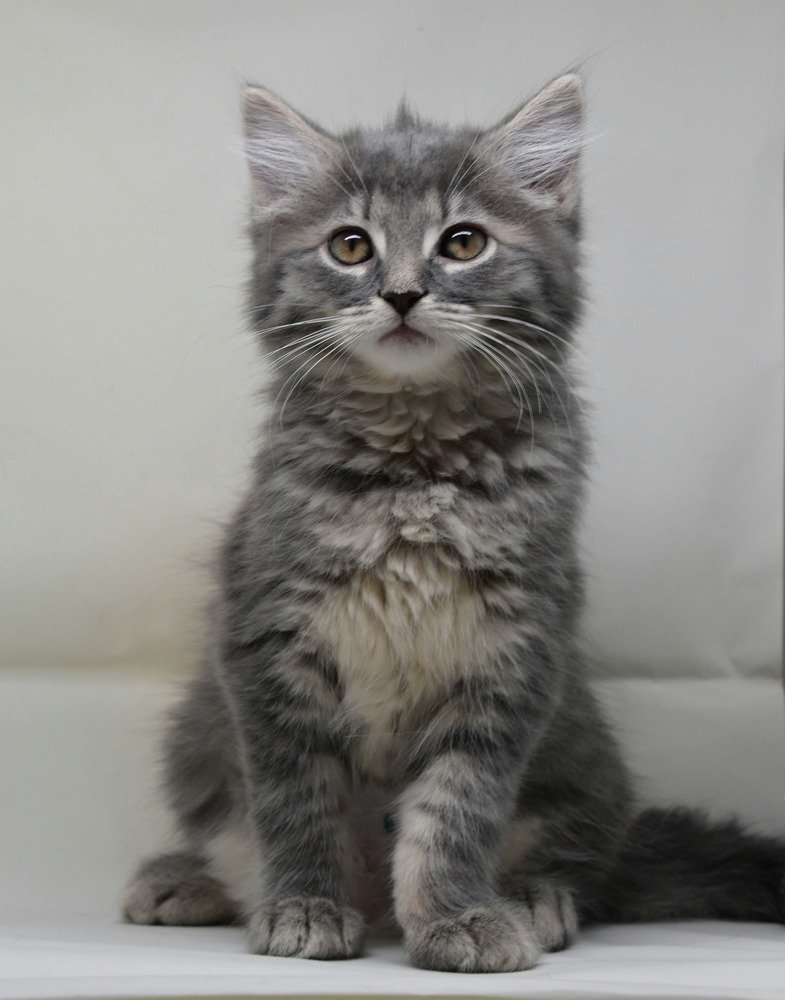
A Maine Coon’s long, thick coat is one of its most attractive features, but it also requires regular attention. Loose hair, tangles and mats can become uncomfortable if grooming is neglected, particularly around areas where the coat experiences friction.
Fortunately, professional grooming isn’t automatically necessary for every Maine Coon. Many owners maintain their cat’s coat at home using a suitable comb, brush and a gentle, consistent routine.
A good-quality grooming tool may cost more initially, but it can last a long time when properly maintained. The ongoing expense of home grooming is therefore often relatively small compared with food or insurance.
The challenge is making grooming a positive experience. Some Maine Coons enjoy being brushed, while others need time to become comfortable with handling. Short, relaxed sessions are usually more effective than attempting to remove every tangle in one sitting.
If your cat develops severe matting, avoid cutting close to the skin with scissors, as cat skin is delicate and can be injured easily. A vet or experienced cat groomer can advise on safe removal.
Professional grooming prices vary by location and the services required, so ask for a quote rather than assuming there is one standard UK rate.
Maine Coon Litter, Scratching Posts and Everyday Equipment
A Maine Coon may need more generously sized equipment than a smaller domestic cat. This is particularly noticeable when choosing a litter tray, scratching post, cat carrier or bed.
A tray that appears spacious for a kitten can become uncomfortable once the cat reaches adulthood. Choosing a large, easy-to-access litter tray from the beginning may save you from replacing it later. The same principle applies to scratching furniture: stability matters because a heavy cat can topple lightweight equipment.
For cat litter, an allowance of around £20–£35 per month is a useful planning estimate. The actual amount depends on the litter type, number of trays and how frequently they need replenishing.
You should also consider the cost of replacing toys, scratching surfaces and other items over time. Maine Coons are often playful and curious, and suitable enrichment helps provide opportunities to climb, scratch, explore and interact with their owners.
Our New Kitten Checklist UK Guide can help you plan the essentials before your Maine Coon arrives, including items you may want to buy in a larger size.
Maine Coon Veterinary Costs in the UK
Even a healthy Maine Coon needs routine veterinary care throughout its life. This includes appropriate vaccinations, health assessments, dental checks and parasite prevention based on the cat’s individual circumstances.
Routine appointments are easier to budget for than unexpected illness. A yearly examination or vaccination appointment may be a predictable expense, but an emergency consultation, diagnostic scan or operation can be considerably more expensive.
Maine Coons also have breed-associated health concerns that owners should understand. Hypertrophic cardiomyopathy, for example, can require veterinary investigation and ongoing management if diagnosed. However, not every Maine Coon develops this condition, and responsible breeding practices can help reduce certain inherited risks.
If your cat becomes unusually tired, loses weight, struggles to breathe or shows a significant change in appetite, don’t delay seeking veterinary advice because of concerns about the bill. Early assessment may be important for the cat’s welfare.
For more information about changes that should not be ignored, read our Why Is My Cat Losing Weight but Still Eating? guide.
A sensible financial plan combines routine veterinary budgeting, suitable insurance where affordable and some savings for expenses that insurance may not cover.
First-Year Cost of Owning a Maine Coon in the UK
The first-year cost of owning a Maine Coon in the UK is usually higher than the cost in later years because you’re paying for the cat itself and purchasing equipment for the first time.
A pedigree kitten might cost £1,000–£1,600, while initial supplies such as a carrier, scratching furniture, litter trays, grooming tools and bedding can add several hundred pounds. You will then have monthly expenses for food, litter, insurance and routine care.
Example First-Year Maine Coon Budget for 2026
| Expense | Illustrative first-year budget |
|---|---|
| Pedigree Maine Coon kitten | £1,000–£1,600 |
| Initial equipment and supplies | £200–£400 |
| Ongoing care (£85–£180 × 12 months) | £1,020–£2,160 |
| Estimated first-year total | £2,220–£4,160 |
This example assumes a pedigree kitten and a full year of ongoing expenses. It is a budgeting scenario, not an average calculated from actual Maine Coon owners’ spending.
The total may be lower if you adopt an adult cat or already own suitable equipment. It may be higher if you choose premium products, need professional grooming or face unexpected veterinary expenses. Some veterinary services may already be included in the breeder’s package or a health plan, so avoid counting the same expense twice.
For comparison, PDSA’s cat ownership cost guide estimates approximately £366 for initial set-up costs before purchasing a cat, along with a minimum monthly ownership cost of £79.
How Much Does a Maine Coon Cost Over Its Lifetime?
The initial Maine Coon cat price UK buyers see in advertisements can be a small part of the total amount spent throughout the cat’s life.
For example, spending £120 per month adds up to £1,440 a year. Over 12 years, that would be £17,280 in ongoing expenses alone, before the purchase price, initial equipment or unexpected costs. This is a simple illustration rather than a prediction of how much every Maine Coon will cost, and it doesn’t account for inflation or changing expenses as the cat ages.
PDSA estimates that basic care for a cat over its lifetime can cost at least £11,400–£13,600, excluding certain additional expenses. Maine Coon owners may spend more or less depending on their circumstances, but the figures demonstrate why long-term affordability matters.
The best time to consider these costs is before you pay a deposit. A Maine Coon can bring years of companionship and entertainment, but it deserves a home where its health and everyday needs won’t depend on whether money happens to be available that month.
How to Reduce Maine Coon Ownership Costs Without Compromising Care
Owning a Maine Coon doesn’t mean choosing the most expensive option for every product or service. There are sensible ways to manage your budget while still providing a safe, comfortable and enriching home.
Buying appropriately sized, durable equipment from the beginning can reduce the need for frequent replacements. Comparing the cost per serving of complete cat foods may also help you find a suitable diet without paying more simply for attractive packaging.
Regular home grooming can reduce the risk of uncomfortable matting, while preventive veterinary care can help identify some health problems earlier. Comparing insurance policies carefully may also help you balance monthly premiums with the protection your cat needs.
However, cutting costs should never mean skipping necessary veterinary treatment, feeding an unsuitable diet or buying a kitten from an irresponsible seller because the asking price is lower.
Ultimately, the cost of keeping a Maine Coon cat in the UK is manageable for many households with thoughtful planning. The important thing is to budget for the cat you’ll be caring for over many years, not just the kitten you’re excited to bring home today.
Is a Maine Coon Worth the Price in the UK?
After comparing the Maine Coon cat price in the UK, breeder fees and ongoing ownership costs, you might be wondering whether this breed is really worth the investment. Spending more than £1,000 on a kitten is a significant decision, especially when many wonderful cats are available for adoption at a much lower initial cost.
What makes Maine Coons appealing isn’t simply their impressive appearance. They’re often sociable, curious and playful, with a reputation for enjoying interaction with their families. Many owners appreciate their affectionate nature and entertaining habits, although individual personalities vary and no breed can guarantee a particular temperament.
Their size and coat also make them distinctive. A Maine Coon walking into a room can attract attention without doing anything particularly unusual, while its playful behaviour can make everyday life surprisingly entertaining. However, those same characteristics come with responsibilities. Large scratching furniture, regular grooming, suitable nutrition and opportunities for exercise all need to be part of your plans.
For someone who wants a sociable, long-haired companion and can comfortably afford its care, a responsibly bred Maine Coon may be a rewarding choice. But if the purchase price would leave you struggling to cover food, insurance or unexpected veterinary treatment, waiting or considering adoption may be the more sensible decision.
Ultimately, a Maine Coon’s value isn’t measured by how large it becomes or how much you paid for it. It’s about finding a cat whose needs and personality fit your lifestyle, and being prepared to care for it throughout its life.
Who Should Consider Getting a Maine Coon?
Maine Coons can suit households that enjoy interacting with their pets and have time for play, grooming and companionship. Their friendly reputation makes them attractive to families, although introductions to children and other animals should always be supervised and handled carefully.
These cats also need enough space and suitable equipment to move, stretch, scratch and rest comfortably. That doesn’t necessarily mean you need an enormous house or garden. Indoor Maine Coons can enjoy fulfilling lives when their environment offers climbing opportunities, comfortable resting places, interactive play and regular attention.
If you’re looking for a cat that requires almost no grooming or ongoing expense, a Maine Coon may not be your ideal match. But if you’re happy to invest time as well as money, the breed has plenty to offer beyond its striking looks.
You can explore its temperament, growth and care requirements in our Maine Coon Cat UK Guide.
Final Thoughts: What Should You Really Pay for a Maine Coon in 2026?
The Maine Coon cat price in the UK can feel surprisingly high when you first start looking at pedigree kittens. With many established breeders advertising kittens around £1,000–£1,600, it’s understandable to compare prices carefully and wonder what makes one cat more expensive than another.
The answer is rarely as simple as size, colour or pedigree alone. Responsible health screening, veterinary care, proper documentation and the time spent raising kittens all matter. A higher asking price isn’t proof of quality, but a breeder who can explain their practices and provide evidence of appropriate care is worth taking seriously.
It’s equally important to think about life after collection day. Food, insurance, grooming, equipment and veterinary treatment will continue to cost money long after you’ve forgotten the excitement of paying for your kitten.
Whether you choose a pedigree kitten, an adult Maine Coon or a rescue cat, take your time, ask questions and make sure the commitment suits your household. The best Maine Coon isn’t necessarily the most expensive one. It’s the one you can give a healthy, safe and loving home for years to come.
Veterinary Disclaimer
This article provides general information about Maine Coon prices, ownership costs and breed-related health considerations. It is not a substitute for professional veterinary advice, diagnosis or treatment. Consult a qualified veterinary surgeon about health screening, inherited conditions or any concerns about your cat’s wellbeing.
Frequently Asked Questions About Maine Coon Prices in the UK
1. How much is a Maine Coon kitten in the UK in 2026?
A registered pet Maine Coon kitten commonly costs around £1,000 to £1,600 in the UK in 2026. Prices vary between breeders, and some kittens cost more. Ask what health care and documentation are included before paying.
2. Can I buy a Maine Coon kitten for £500 in the UK?
You may find kittens advertised at £500 or less, but a low price should prompt careful questions about registration, health records and the seller’s practices. Price alone cannot confirm whether a kitten is healthy or responsibly bred.
3. Why are Maine Coon kittens more expensive than some other cats?
The cost may reflect pedigree registration, breeding expenses, veterinary care, genetic screening and time spent raising and socialising kittens. However, expensive kittens are not automatically healthier.
4. How much does a full-grown Maine Coon cost?
There is no standard price for an adult Maine Coon. The amount may depend on its age, health, circumstances and whether it is being sold by a breeder or rehomed through a rescue.
5. Are Maine Coon cats expensive to maintain?
They can be. Food, grooming supplies, larger equipment, insurance and veterinary care all contribute to the long-term cost. Actual spending depends on your cat’s needs and the products and services you choose.
6. Is it cheaper to adopt a Maine Coon?
Adoption fees may be lower than buying a pedigree kitten from a breeder, although availability is limited and fees vary. Adoption also allows an existing cat to find a suitable new home.
7. How much is a Maine Coon cat in the UK in 2026?
A pedigree Maine Coon kitten from an established UK breeder commonly costs around £1,000–£1,600, although some are advertised for £1,800 or more. This is an indicative price range rather than an official national average. Adult cats, retired breeding Maine Coons and rescue cats may have lower initial costs.
When comparing the Maine Coon cat price UK 2026, check whether the asking price includes registration documents, vaccinations, microchipping and relevant health information.
8. What is the average Maine Coon kitten price in the UK?
There is no single officially established average Maine Coon kitten price across the UK. Breeders set their own prices, and costs vary according to pedigree, health screening, location and the services included.
For budgeting, around £1,000–£1,600 is a useful starting range for a registered pedigree kitten, but you should compare current prices from responsible breeders before deciding what is reasonable.
9. How much does a purebred Maine Coon cat cost?
The purebred Maine Coon cat price depends on the cat’s age, pedigree documentation and breeder. Registered pedigree kittens often fall within the £1,000–£1,600 planning range discussed in this guide, while some cost more.
If a seller describes a kitten as purebred, ask for evidence of its registered ancestry. A large body, long fur and tufted ears are not enough to confirm pedigree status.
10. Are black Maine Coon cats more expensive?
Not necessarily. The black Maine Coon price in the UK can vary between breeders, but there is no standard premium for black coats.
Some sellers charge more for particular colours because of demand, while others use the same price for every kitten in a litter. Health, temperament and responsible breeding practices should matter more than coat colour.
11. How much does a giant Maine Coon cat cost in the UK?
A kitten advertised as a giant Maine Coon may cost more than another kitten from the same breed, but terms such as giant, XL and XXL do not guarantee a particular adult size.
The giant Maine Coon price UK buyers encounter is influenced by individual sellers rather than an established separate breed category. Avoid paying a substantial premium solely because a breeder promises an exceptionally large adult cat.
12. Is a male Maine Coon more expensive than a female?
There is no universal rule that male Maine Coons cost more than females. Although males are often larger, many breeders price kittens according to pedigree, care and their individual selling arrangements rather than sex.
If you’re choosing between a male and female Maine Coon, consider personality, health and suitability for your home before focusing on potential adult size.
13. How much is a Maine Coon cat in London?
The Maine Coon cat price in London varies by breeder, just as it does elsewhere in the UK. There is no reliable fixed London price that applies to all pedigree kittens.
Some buyers search beyond London to compare breeders, but remember to consider travel arrangements and the importance of visiting the kitten. A lower advertised price elsewhere doesn’t automatically make it the better purchase.
14. Can you adopt a Maine Coon for free in the UK?
Occasionally, private owners may seek a new home for a Maine Coon without requesting a fee. However, established rescue organisations generally have adoption policies and may charge fees to help support animal care.
Be cautious with online advertisements offering free pedigree cats, particularly if the seller later requests unexpected transport or insurance payments. Check reputable organisations such as Cats Protection for genuine adoption opportunities.
15. How much does it cost to keep a Maine Coon cat every month?
For planning purposes, around £100–£180 per month is a useful allowance for many Maine Coon owners, although actual costs can vary significantly.
Food, litter, insurance, routine veterinary care and replacement equipment all contribute to the monthly budget. Unexpected medical treatment and professional grooming can increase the total, so it’s sensible to keep some additional savings available.
16. Do Maine Coon cats cost more to insure?
They can, but not every Maine Coon insurance policy will be more expensive than insurance for another breed. Premiums depend on the cat’s age, health history, postcode, insurer and level of cover.
Because Maine Coons have recognised breed-associated health concerns, it is worth checking how policies treat hereditary conditions and ongoing illnesses. Compare coverage and exclusions rather than choosing a policy based only on its monthly price.
17. What is the cheapest way to get a Maine Coon in the UK?
Adopting an adult Maine Coon or rehoming a retired breeding cat may involve a lower initial payment than buying a pedigree kitten. However, availability can be limited, and you may need to wait for a suitable cat.
The cheapest initial option isn’t always the most affordable over time. Consider the cat’s health, age, care requirements and expected ongoing expenses before making a decision.