Why is my cat drinking so much water? If you have noticed your cat drinking more water than usual, it is natural to wonder what is causing the change. You might find yourself refilling the water bowl more often, notice your cat drinking from the kitchen tap, or see larger clumps of urine in the litter tray. While these changes may not always mean something is wrong, they are worth paying attention to.
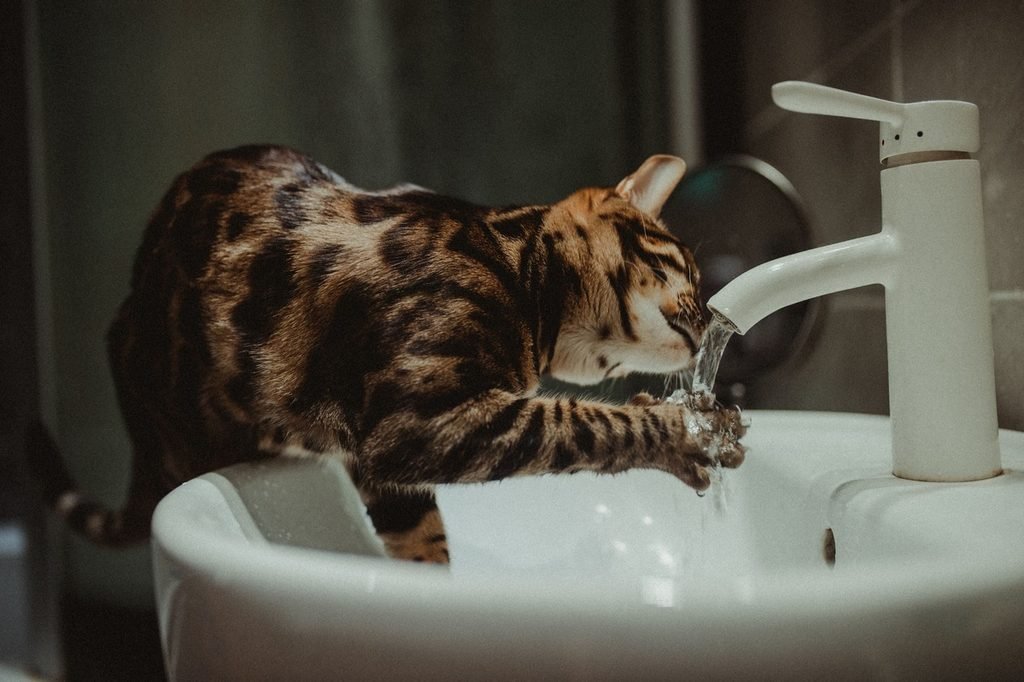
Sometimes, there is a simple reason for your cat’s increased thirst. For example, hot weather, more physical activity, or eating dry food instead of wet food can make a cat drink more water. However, drinking noticeably more than usual can also be linked to health problems such as kidney disease, diabetes, or hyperthyroidism.
You may also notice that your cat is urinating more frequently or producing larger amounts of urine. Vets use the term polydipsia for excessive thirst and polyuria for excessive urine production. When these changes happen together, they can be an important sign that your cat needs a health check.
The important thing is to know your cat’s usual habits and notice when something changes. Even if your cat is eating normally and behaving as usual, persistent excessive thirst should not be ignored. If your cat is drinking much more water than usual, contact your vet to find out what might be causing it. Always make sure your cat has access to fresh water, and never try to reduce its drinking by restricting water.
How Much Water Should a Cat Drink Per Day?
A healthy cat generally needs around 40–60 ml of total water per kilogram of body weight each day, although individual requirements vary. This includes moisture obtained from food, not just the water your cat drinks from its bowl.
For example, a 4 kg cat may need around 160–240 ml of water per day from all sources. However, cats that eat mainly wet food may drink less from their water bowl because they get much of the moisture they need from their meals.
According to the Cornell Feline Health Center’s hydration guidance, wet cat food can contain up to 80% water, while cats eating dry food generally obtain more of their water by drinking.
Normal Daily Water Intake for Cats by Weight
| Cat’s weight | Approximate total daily water requirement |
|---|---|
| 2 kg | 80–120 ml |
| 3 kg | 120–180 ml |
| 4 kg | 160–240 ml |
| 5 kg | 200–300 ml |
| 6 kg | 240–360 ml |
These figures are only a general guide, as every cat is different. Your cat’s daily water needs can depend on its diet, activity level, environment and overall health. For example, cats that eat wet food usually get more moisture from their meals than cats that eat dry food.
As a general guideline, drinking more than 100 ml of water per kilogram of body weight per day may indicate excessive thirst and should be discussed with a vet. However, some cats may have a noticeable increase in thirst even if they drink less than this amount, especially if they usually drink very little.
Rather than focusing only on the amount of water your cat drinks, pay attention to changes in its usual habits. If you find yourself refilling the water bowl more often or notice that your cat is urinating more than usual, it is worth discussing these changes with your vet.
Why Is My Cat Drinking More Water Than Usual?
Several factors can make your cat thirstier than normal. Hot weather, dry food, and increased activity are common reasons. However, if your cat starts drinking noticeably more without an obvious reason, it could indicate an underlying health problem.
1. Hot Weather and Increased Activity
Cats may drink more water during warm weather, especially in summer. This is more noticeable if they spend time in warm rooms, conservatories or sunny outdoor areas.
Being active can also make cats thirstier. Cats that spend more time playing, running or exploring may drink more water than they do on quieter days.
However, hot weather is not always the reason for increased thirst. If your cat continues drinking unusually large amounts even when the weather cools down, it is best to arrange a check-up with your vet.
2. Switching From Wet Food to Dry Food
If your cat has recently switched from wet food to dry food, you may notice it drinking more water than before. This is because dry food contains less moisture, while wet food provides some of the water your cat needs each day.

For example, a cat that used to eat wet food at every meal may start visiting its water bowl more often after changing to dry food. This is a normal response to getting less moisture from its meals.
Always keep fresh, clean water available so your cat can drink whenever it needs to. However, if your cat seems much thirstier than usual, do not assume the food change is the only reason. Speak to your vet to rule out any health problems.
3. Changes in Drinking Habits or Water Sources
Sometimes, a change in your cat’s drinking habits may have a simple explanation. You might have replaced its old water bowl or introduced a new water fountain. If you’re wondering why is my cat drinking so much water, it may simply be getting more comfortable with its new water source.
Some cats love drinking from running water, while others prefer a wide bowl in a quiet spot. If your cat wasn’t using its old bowl very often, a different type of bowl or a better location might encourage it to drink more.
Cats Protection also explains that things like the position of the water bowl, its material and how fresh the water is can affect a cat’s drinking habits.
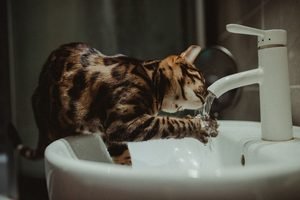
However, if your cat has suddenly started drinking from sinks, baths or even toilets, it’s worth paying attention. This may be more than just a change in preference, especially if your cat seems thirsty all the time or is drinking much more than usual.
Common Medical Causes of Excessive Thirst in Cats
When a cat is drinking significantly more water than usual, veterinarians consider several possible health conditions. Some are particularly common in older cats, while others can affect cats of different ages.
The following conditions are important to understand, but symptoms alone cannot establish a diagnosis.
4. Chronic Kidney Disease in Cats
Chronic kidney disease (CKD) is a common health problem in older cats and can be one reason why your cat has started drinking and urinating more than usual.
Healthy kidneys help remove waste from the blood and keep the body’s fluid balance under control. However, when the kidneys stop working as well as they should, they may struggle to concentrate urine properly. As a result, your cat loses more water when peeing and needs to drink more to make up for it.
These changes often happen slowly, so they can be easy to miss at first. You might notice bigger clumps in the litter tray, more frequent visits to the water bowl or a slight loss of weight before your cat starts looking unwell.
As the condition progresses, some cats may also develop a poor appetite, vomiting, tiredness or a dull-looking coat. However, not every cat shows the same symptoms, and some may seem perfectly normal in the early stages.
If your older cat is drinking more water than usual, kidney disease is one possibility your vet may want to check. Blood and urine tests can help assess how well the kidneys are working and whether further investigation is needed.
5. Diabetes Mellitus in Cats
Another important reason for a cat drinking lots of water is diabetes mellitus.
Diabetes affects the body’s ability to regulate blood glucose. When blood sugar becomes excessively high, glucose can pass into the urine and draw additional water with it. This causes increased urination, followed by increased thirst.
One particularly noticeable pattern is a cat that drinks more, urinates more and loses weight despite eating normally or even showing an increased appetite.
Some diabetic cats may also become less active or develop changes in their walking posture. However, these signs aren’t present in every case, so a cat can have diabetes without displaying the full range of symptoms.
If your cat is drinking more water and losing weight, don’t wait for the symptoms to become severe. Veterinary blood and urine tests are needed to identify diabetes and distinguish it from other conditions.
You may also find our Why Is My Cat Sleeping So Much? article useful if you’ve noticed unusual tiredness alongside changes in thirst.
6. Hyperthyroidism in Older Cats
Hyperthyroidism is a condition in which the thyroid gland produces too much thyroid hormone. It is more common in middle-aged and older cats.
These hormones control how quickly the body uses energy. When a cat produces too much of them, its metabolism speeds up. You may notice your cat losing weight even though it seems hungrier than usual. Other signs can include restlessness, frequent meowing, vomiting and drinking or urinating more often.
For some owners, the first sign is that their older cat suddenly seems much hungrier or more active than before. Others may notice that the water bowl needs refilling more often or that their cat is slowly losing weight.
The tricky part is that hyperthyroidism and diabetes can cause some similar symptoms. This means you can’t tell which condition your cat has just by watching its behavior.
Your vet may recommend blood tests to check thyroid hormone levels and look for other possible health problems. With the right treatment and regular check-ups, many cats with hyperthyroidism can continue to enjoy a good quality of life.
7. Urinary Tract Problems and Infections
Urinary tract problems can change how often a cat visits the litter tray, but it’s important to distinguish frequent urination from producing a genuinely increased volume of urine.
A cat with bladder inflammation or a urinary tract infection may repeatedly visit the tray while passing only small amounts. This differs from the large urine volumes commonly associated with kidney disease or diabetes.
You may notice straining, discomfort, blood in the urine, excessive licking around the genital area or urinating outside the litter tray.
A cat that is straining to urinate but producing little or no urine needs emergency veterinary care. Urinary obstruction can be life-threatening, particularly in male cats, and should never be mistaken for an ordinary change in drinking habits.
If your cat is visiting the litter tray repeatedly, observe whether it is producing large amounts of urine or struggling to pass any at all. That distinction is extremely useful when speaking to your vet.
8. Medications and Other Medical Conditions
Some medications can make cats feel thirstier or cause them to pass more urine than usual. For example, corticosteroids and diuretics may have these effects, depending on the type of medication, the dose and how an individual cat responds.
If you’ve noticed that your cat is drinking more since starting a new prescription, it’s a good idea to speak to your vet. Don’t stop giving the medication or change the dose without checking with them first.
There are also other health conditions that can lead to increased thirst. These include certain liver problems, high calcium levels in the blood and hormonal disorders. Vomiting and diarrhea can also cause fluid loss, which may leave your cat needing more water.
Because several different conditions can cause similar changes, drinking more water doesn’t necessarily point to one specific illness. Your vet can help work out what’s causing the change and whether your cat needs further tests.
Why Is My Cat Drinking So Much Water and Peeing a Lot?
If your cat is drinking more water and peeing more than usual, these two changes may be linked. Vets use the terms polydipsia for excessive thirst and polyuria for passing unusually large amounts of urine.
When a cat loses too much water through urine, it may start drinking more to replace the lost fluid. Kidney disease and diabetes are two possible causes, although other health conditions can lead to similar changes.
One way to spot a difference at home is to keep an eye on your cat’s litter tray. You might notice larger urine clumps or find yourself cleaning the tray more often than usual. This could mean your cat is passing more urine than before.
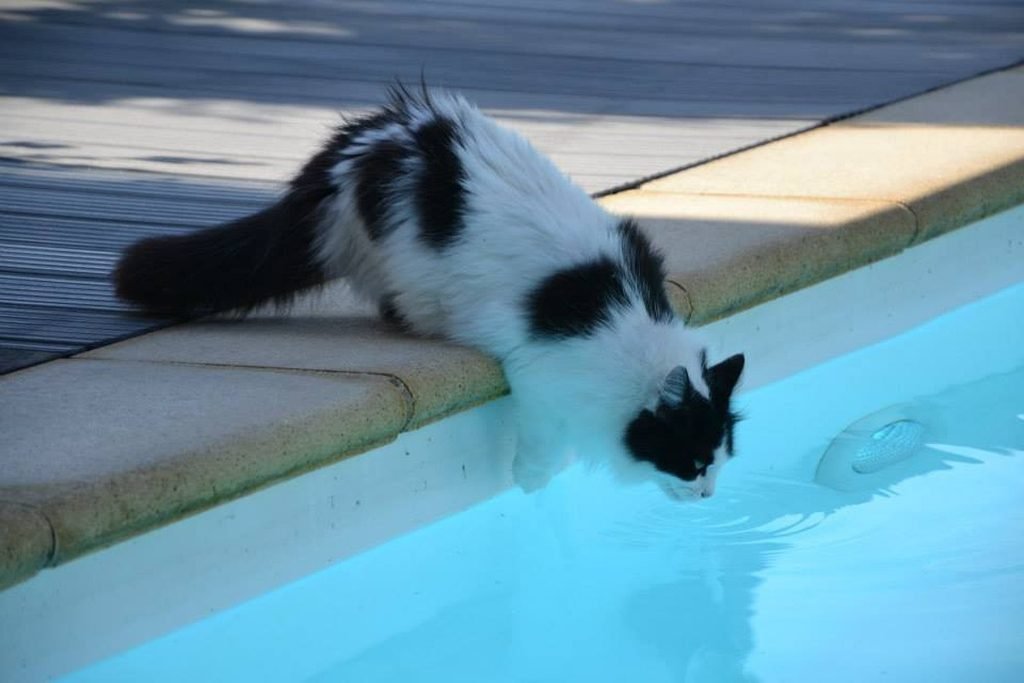
However, visiting the litter tray frequently doesn’t always mean your cat is producing more urine. If your cat has bladder discomfort, it may keep trying to pee but only pass a few drops.
If you notice that your cat is drinking and urinating much more than usual, arrange a vet appointment. If your cat is straining to pee but little or no urine comes out, seek emergency veterinary care immediately. This can be a sign of a urinary blockage, particularly in male cats.
Why Is My Older Cat Drinking So Much Water?
If your older cat has started drinking more water than usual, it’s worth paying attention. Although cats’ needs can change as they age, increased thirst shouldn’t automatically be dismissed as a normal part of getting older.
Older cats are more likely to develop health problems such as chronic kidney disease and hyperthyroidism. Diabetes can also make a cat drink more water than usual. Sometimes, these conditions develop slowly, so you may notice changes in your cat’s drinking habits before spotting other signs.
For example, your 12-year-old cat might still greet you in the morning, enjoy its breakfast and settle into its favourite sleeping spot. However, you may notice that it keeps returning to its water bowl much more often than it used to.
Even if your cat seems happy and comfortable, this change is worth discussing with your vet. Regular health checks, along with blood and urine tests when recommended, can help identify underlying problems before more noticeable symptoms appear.
Why Is My Kitten Drinking So Much Water?
Kittens have different food and water needs from adult cats because their bodies are still growing. How much water they drink can also depend on what they eat, whether it’s wet kitten food, dry food or a mixture of both.
If your kitten has recently started eating more dry food, you may notice it visiting the water bowl more often. Playing more than usual or spending time in warm weather can also make it feel thirstier.
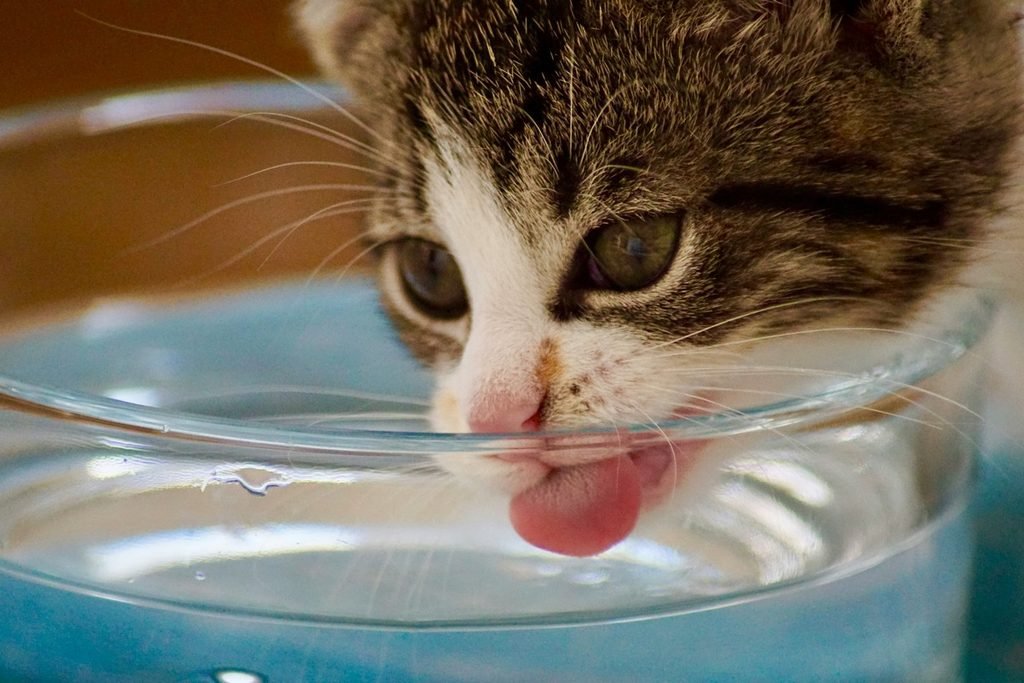
However, don’t automatically assume that drinking a lot of water is normal for a growing kitten. Young cats can develop health problems too, and vomiting or diarrhea can cause them to lose fluids quickly.
If your kitten is drinking much more than usual, losing weight, vomiting or seeming unusually tired, contact your vet promptly. It’s better to have the change checked rather than assume it’s simply part of growing up.
If you’re preparing to bring a kitten home, our New Kitten Checklist UK Guide can help you get ready for its everyday care needs.
For new owners, our New Kitten Checklist UK Guide explains how to prepare for a kitten’s everyday needs.
Why Is My Cat Drinking Water but Not Eating?
If your cat is drinking water but refusing food, it’s something worth paying attention to. You might be wondering, why is my cat drinking so much water when it has suddenly lost interest in eating?
There can be several reasons for this change. Kidney disease, infections, digestive problems and pain can all affect a cat’s appetite. Some cats may walk up to their food bowl, smell their food and then walk away, while others may not show any interest in eating at all.
Going without food for too long can be dangerous for cats, especially those who are overweight or already unwell. If your cat has stopped eating, contact your vet promptly rather than waiting several days for its appetite to return.
Pay particular attention if your cat is also vomiting, looking unusually weak or drinking much more water than before. These symptoms together could point to an underlying health problem that needs urgent veterinary attention.
When Should You Worry About a Cat Drinking Too Much Water?
Seeing your cat visit the water bowl more often than usual doesn’t always mean something is wrong. However, if your cat has suddenly started drinking much more water or the change continues for several days, it’s worth speaking to your vet.
Pay attention to other changes in your cat’s behavior and health, too. Some warning signs to look out for include:
- Drinking noticeably more water than usual
- Producing larger amounts of urine
- Losing weight without an obvious reason
- Eating much more or less than usual
- Vomiting or having diarrhea
- Seeming unusually tired or weak
- Having a dull or unkempt coat
- Constantly looking for water in different places
PDSA’s veterinary advice on increased drinking and urination explains why these changes shouldn’t be ignored. If you’ve noticed any of these signs alongside excessive thirst, arrange a veterinary check-up to find out what’s causing them.
When Is Excessive Thirst an Emergency?
Seek urgent veterinary advice if your cat’s increased thirst is accompanied by repeated vomiting, severe weakness, collapse, breathing difficulties or an inability to eat and drink normally.
A cat that is repeatedly straining to urinate without producing urine needs immediate emergency treatment, even if it has been drinking water.
You should also seek prompt assessment if your cat appears dehydrated, becomes unusually unresponsive or deteriorates rapidly.
Don’t wait for every possible symptom to appear. Cats can hide illness, and a sudden change in their normal behavior may be significant.
How to Measure How Much Water Your Cat Drinks
If your cat has started drinking more water than usual, keeping track of how much it drinks each day can help your vet understand what’s happening.
You can do this quite easily at home. Start by filling a measuring jug with a known amount of water and pouring it into your cat’s bowl. Make a note of how much you add. Each time you refill the bowl, measure the extra water before adding it.
After 24 hours, measure how much water is left in the bowl. Then subtract that amount from the total water you provided. For example, if you added 400 ml during the day and 150 ml was left, your cat may have drunk around 250 ml.
Keep in mind that this won’t give you an exact measurement. Some water may spill or evaporate, and your cat might also drink from other bowls, outdoor sources or taps. Water from wet food isn’t included in this calculation either.
If your cat mainly eats wet food, it may drink less directly from its bowl because wet food already contains a considerable amount of water.
If possible, keep a record for two or three days and write down any other changes you notice. However, don’t delay contacting your vet if your cat is drinking much more than usual or seems unwell.
What to Record Before Your Vet Appointment
A short daily record can help your vet understand what has changed. Include your cat’s approximate water consumption, diet, appetite, urination, weight changes and any recent medications.
You can also note whether your cat is drinking from unusual places or visiting the litter tray more frequently. If you have several cats, explain that the water measurement may include more than one animal.
Even simple observations can be valuable because your vet only sees a brief snapshot of your cat’s condition during an appointment.
How Do Vets Diagnose Excessive Thirst in Cats?
If your cat has been drinking more water than usual, your vet will want to find out what’s causing the change. They will usually start by asking about your cat’s health, daily diet, appetite, toilet habits and any recent changes in behavior.
Your vet may also check your cat’s weight, hydration and general health before deciding whether further tests are needed.
Depending on what they find, they may recommend some of the following tests.
Blood Tests
Blood tests help vets check how well the kidneys are working and whether blood sugar levels or mineral levels are within the normal range.
For older cats, your vet may also check thyroid hormone levels to look for signs of hyperthyroidism.
Urinalysis
A urine test can show how concentrated your cat’s urine is and whether it contains glucose, blood or other unusual substances.
This is useful because urine results can provide information that may not be clear from blood tests alone.
Additional Tests
Sometimes, your vet may recommend further checks, such as a urine culture, blood pressure measurement or an ultrasound scan.
Not every cat needs all these tests. The choice depends on your cat’s symptoms and what the initial results show.
Because several health problems, including kidney disease and diabetes, can cause increased thirst, blood and urine tests often help vets identify the underlying problem and decide on the most appropriate treatment.
How to Help a Cat That Is Drinking Excessively
If you’re wondering why is my cat drinking so much water, the first thing to do is make sure fresh water is always available and arrange a check-up with your vet. Finding out what’s causing the increased thirst is more important than simply trying to reduce how much your cat drinks.
Never limit your cat’s water to stop it from urinating so often. If an underlying health problem is causing your cat to lose more fluid, restricting water could lead to dehydration and make things worse.
At home, make drinking water easy for your cat to access. Keep clean bowls in quiet places around the house, and consider providing more than one water station, especially if you have several cats.
Wash the bowls regularly and keep them away from litter trays. If your cat enjoys drinking from running water, a fountain might encourage it to drink comfortably. However, a fountain won’t solve the medical problem behind excessive thirst.
Avoid making sudden changes to your cat’s diet or giving supplements and home remedies without veterinary advice. If your vet identifies an underlying condition, they can recommend the right treatment and feeding plan.
Can a Cat Recover From Excessive Thirst?
Whether your cat returns to normal drinking habits depends on what’s causing the increased thirst.
Some cats start drinking normally again once a temporary problem has settled or an underlying condition has been treated. Others may need ongoing care, particularly if they have a long-term condition such as chronic kidney disease or hyperthyroidism.
For example, cats with diabetes may need insulin treatment and changes to their diet. Those with kidney disease may benefit from a special veterinary diet, medication or other supportive care, depending on how advanced the condition is.
Although some health problems cannot be completely cured, the right treatment and regular veterinary check-ups can help many cats stay comfortable and enjoy a good quality of life.
Veterinary Disclaimer
The information in this article is intended for general educational purposes only. It should not be used as a substitute for professional veterinary advice, diagnosis or treatment.
Excessive thirst in cats can be linked to several health problems, including kidney disease, diabetes mellitus, hyperthyroidism and urinary conditions. A vet can investigate the cause through a physical examination and appropriate tests.
If your cat is drinking noticeably more water than usual, arrange a veterinary appointment. Seek emergency veterinary care if your cat collapses, becomes severely weak, repeatedly vomits or struggles to pass urine.
Never restrict your cat’s access to water, change prescribed medication or try to treat a suspected illness without speaking to your vet.
Conclusion: Why Is My Cat Drinking So Much Water?
A cat drinking more water than usual may not seem like a big deal at first, but it’s worth paying attention to. If you’re asking why is my cat drinking so much water, there could be several reasons behind this change. Sometimes, it may be related to food or daily habits, but it can also point to an underlying health problem.
Conditions such as kidney disease, diabetes and hyperthyroidism can make cats feel thirstier than usual. You might also notice that your cat is visiting the water bowl more often or leaving bigger clumps in the litter tray.
It’s easy to overlook these changes, especially when your cat is still eating, playing and behaving normally. However, cats don’t always show clear signs when something is wrong, so even small changes in their routine are worth noticing.
If your cat continues drinking more water than usual, arrange a check-up with your vet. They can carry out the necessary tests and help find out what’s causing the increased thirst. Never try to reduce your cat’s water intake, as fresh water should always be available.
With a little attention and the right care, you can help your cat stay comfortable and healthy. Most importantly, don’t ignore unusual changes in drinking habits, even if your cat seems perfectly fine otherwise.
Frequently Asked Questions About Cats Drinking Too Much Water
1. Why is my cat suddenly drinking more water?
If your cat has suddenly started drinking more water than usual, there could be several reasons. Hot weather, a change to dry food or increased activity may affect how much water your cat drinks. However, excessive thirst can also be linked to health problems such as kidney disease, diabetes or hyperthyroidism. If the change is noticeable or continues, arrange a check-up with your vet.
2. How much water should a cat drink per day?
As a general guide, cats need around 40–60 ml of total water per kilogram of body weight each day. However, this amount can vary depending on their age, diet, activity and health. Remember that this includes water from food as well as drinking water. Cats that eat wet food may drink less directly from their bowls.
3. Is it normal for older cats to drink more water?
Older cats may develop health conditions that make them thirstier, but increased drinking shouldn’t simply be dismissed as a normal part of ageing. Kidney disease, diabetes and hyperthyroidism are possible causes. If your senior cat starts drinking more than usual, speak to your vet about having it checked.
4. Why is my cat drinking more water and peeing more?
Drinking more water and passing larger amounts of urine often happen together. Conditions such as kidney disease and diabetes can cause these changes. You may notice bigger urine clumps in the litter tray or find yourself refilling the water bowl more often. Your vet may recommend blood and urine tests to find out what’s causing the problem.
5. Can dry food make my cat drink more water?
Yes. Dry cat food contains much less moisture than wet food, so cats that mainly eat kibble usually need to drink more water to meet their daily needs. If you’ve recently changed your cat’s diet from wet food to dry food, you may notice it visiting the water bowl more often.
6. Should I limit my cat’s water intake?
No. You should never restrict your cat’s access to water, even if it’s drinking more or urinating frequently. If an illness is causing your cat to lose extra fluids, limiting water could lead to dehydration and make the situation worse. Always provide fresh, clean water and speak to your vet about the increased thirst.
7. Does diabetes cause excessive thirst in cats?
Yes. Diabetes can cause high blood glucose levels, which may lead to increased urine production and excessive thirst. You might also notice weight loss, increased appetite or changes in your cat’s energy levels. If you spot these signs, arrange a veterinary check-up.
8. Can kidney disease cause a cat to drink excessively?
Yes. Kidney disease can affect the kidneys’ ability to concentrate urine properly. This means your cat may lose more water through urination and need to drink more to replace it. The condition is particularly important to investigate in older cats. Blood and urine tests can help your vet assess kidney function.
9. Why is my cat drinking water at night?
Cats can drink water at different times of the day, including during the night. This is not necessarily a problem. However, if your cat has suddenly started waking up frequently to drink or seems thirsty throughout the day and night, it’s worth discussing the change with your vet.
10. Can stress cause increased water intake in cats?
Stress can affect a cat’s behavior and daily habits, but it shouldn’t automatically be blamed for excessive thirst. If your cat is drinking noticeably more water than before, your vet should check for possible medical causes before stress is considered the explanation.
11. Why is my cat drinking from the tap or sink?
Some cats prefer running water because they find it more appealing than still water in a bowl. A water fountain may encourage these cats to drink more comfortably. However, if your cat has suddenly started searching for water in taps, sinks or other places, particularly alongside increased urination, arrange a veterinary check-up.
12. Can hyperthyroidism make cats thirsty?
Yes. Hyperthyroidism causes the thyroid gland to produce too much thyroid hormone and is more common in older cats. It can lead to increased thirst and urination. Other signs may include weight loss despite a good appetite, restlessness, frequent meowing and vomiting. Your vet can check thyroid hormone levels through a blood test.
13. Is excessive thirst in cats an emergency?
Excessive thirst on its own does not always require emergency treatment, but it should be checked by a vet, particularly if it starts suddenly or continues. Seek urgent veterinary care if your cat collapses, becomes severely weak, has repeated vomiting or struggles to breathe. If your cat strains to urinate but produces little or no urine, treat it as an emergency.
14. Why is my kitten drinking so much water?
A kitten’s water intake can depend on its diet, activity and the weather. Kittens eating mainly dry food may drink more directly from their bowls than those eating wet food. However, unusually increased thirst should not be ignored. Contact your vet promptly if your kitten is also vomiting, losing weight, having diarrhea or seeming unusually tired.
15. How do vets test for excessive thirst in cats?
Your vet will usually begin by asking about your cat’s diet, drinking habits, appetite and toilet routine. They may also check its weight, hydration and general health. Depending on the findings, blood tests and a urine test may be recommended. Some cats may also need additional checks, such as thyroid testing, blood pressure measurement or an ultrasound scan.