Why is my cat hiding? If your cat has started spending more time under the bed, behind the sofa or in a quiet corner, you may wonder what is making it behave differently. Perhaps it no longer comes to greet you or prefers staying away when someone enters the room. Although hiding is normal for cats, a noticeable change in their usual behavior deserves attention.
Cats often choose enclosed spaces where they can rest without being disturbed. A cardboard box, a space under the bed or a quiet corner can provide a comfortable place to relax. Some cats naturally enjoy having their own space, especially when the house is busy.

Changes at home can also make a cat feel uneasy. New visitors, unfamiliar pets, loud noises or moving to a different house may encourage it to find somewhere quiet. Some cats adjust quickly, while others need more time to feel comfortable in new surroundings.
However, hiding can sometimes be linked to pain or illness rather than stress alone. Cats may become less social when they feel unwell, and the changes are not always obvious. You might also notice reduced appetite, unusual tiredness, changes in grooming or different litter box habits.
It is important to notice whether hiding is normal for your cat or a recent change. A cat that occasionally retreats to its favorite spot but continues eating, drinking and behaving normally may simply want some quiet time. However, persistent hiding or unusual behavior alongside other symptoms should be discussed with a vet.
Understanding the reason behind this behavior can help you decide what your cat needs. In this guide, we will explore seven common causes of hiding, practical ways to help your cat feel safe and comfortable, and the warning signs that mean it may need veterinary attention.
You might notice that your cat is not coming to greet you as usual. Instead, it is hiding under the bed, sitting behind the sofa or spending more time in a quiet corner of the house. At first, this may not seem unusual, especially if your cat enjoys having its own space. However, when hiding becomes more frequent or starts suddenly, it is natural to wonder what has changed.
Why Is My Cat Hiding? Understanding This Common Behavior
Cats naturally look for quiet, sheltered places where they can rest and feel safe. You may find your cat hiding under the bed, behind furniture or inside a cardboard box. These hiding spots provide privacy and help cats feel protected when their surroundings become busy or unfamiliar.
Changes in the home, loud noises, unfamiliar visitors and other pets can make cats feel nervous. Some cats also prefer quiet spaces because of their personality. Once they feel comfortable again, they may come out and return to their normal activities, including eating, playing and exploring.
However, sudden changes in hiding behavior can sometimes indicate stress, pain or illness. If your cat starts avoiding people, loses interest in food or shows changes in grooming and litter box habits, pay attention. Understanding what is normal for your cat can help you recognize when hiding needs further attention.
7 Common Reasons Why Your Cat Is Hiding
1. Fear and Anxiety
Cats often hide when something in their surroundings makes them feel frightened or unsafe. Loud noises, fireworks, unfamiliar visitors or a new pet in the house can make them anxious. Instead of staying around people, they may look for a quiet place, such as under the bed, behind the sofa or inside a cupboard.
You may notice changes in your cat’s behaviour when it feels frightened. Some common signs include:
- Hiding for longer than usual.
- Flattening its ears or crouching close to the ground.
- Running away when someone approaches.
- Avoiding people or showing less interest in play.
- Hissing or growling when approached.
How can you help your cat feel safe?
Give your cat a quiet hiding place where it can rest without being disturbed. Try to reduce loud noises and other things that may be causing stress. Keep its daily routine familiar, and never force it to come out of hiding. Allow it to approach you when it feels ready. If hiding continues or your cat shows other unusual changes, consult a vet because pain or illness can also cause this behavior.
2. Stress or Changes in the Home
Cats can become stressed when their surroundings or daily routines change. Moving to a new home, welcoming another pet, having visitors or hearing loud noises can make a cat feel unsafe. As a result, your cat may start hiding, avoid family members or spend more time in quiet places.
Common changes that can cause stress include:
- Moving house: New surroundings and unfamiliar smells can make your cat anxious.
- New pets or family members: Your cat may need time to adjust to unfamiliar people or animals.
- Changes in routine: Different feeding times or less attention can affect your cat’s behavior.
- Loud noises: Construction work, visitors or sudden sounds may make your cat uncomfortable.
How to help Your Cat Feel Safe and Comfortable
Give your cat a quiet, comfortable hiding place and keep its feeding and litter routines consistent. Introduce new pets and people gradually, allowing your cat to adjust at its own pace. Most cats need time and patience to feel safe again after changes in their environment.
If your cat continues hiding, stops eating or shows unusual behaviour, consult a vet to rule out an underlying health problem.
3. Loud noises, Visitors or Unfamiliar people
Cats can feel frightened by loud noises, unfamiliar visitors or changes in their surroundings. Construction work, loud music, frequent guests and unfamiliar smells can make them feel unsafe. If you are wondering why is my cat hiding, these changes may be one possible reason. Your cat may hide under furniture, avoid visitors or move to a quiet room to feel protected.
Common triggers include:
- Construction work: Drilling, hammering and sudden loud sounds can frighten cats.
- Unfamiliar visitors: New people, strong perfumes or too much attention can make cats uncomfortable.
- Changes in surroundings: New furniture, unfamiliar smells or noisy environments may make cats seek a hiding place.
How to Help Your Cat Feel Safe:
Give your cat a quiet, comfortable place to retreat when it feels frightened. Avoid forcing it to interact with visitors and let it approach new people in its own time. Keep familiar bedding, toys and daily routines to help your cat feel secure. If hiding continues or comes with changes in appetite or behaviour, consult a vet to rule out an underlying health problem.
4. Pain, Illness or Physical Discomfort
A sudden change in your cat’s behaviour can sometimes be a sign that something is wrong with its health. Conditions such as dental problems, joint pain, injuries or stomach issues may make everyday activities uncomfortable. Your cat may avoid jumping, spend more time resting or become less interested in food and play. If you are wondering why is my cat hiding, physical discomfort or illness is another possible explanation.
Look out for these signs:
- Reduced appetite: Your cat may eat less or show little interest in its favourite food.
- Difficulty moving: Pain may make jumping, climbing or walking uncomfortable.
- Changes in behavior: Your cat may become less active or dislike being touched.
- Poor grooming: Discomfort can make it difficult for your cat to clean its coat properly.
How to Help Your Cat:
Provide a comfortable resting area and avoid putting pressure on painful areas. Monitor its eating habits, movement and litter tray behavior. If hiding starts suddenly or you notice signs of pain, contact your vet for an examination. Early veterinary advice can help identify the problem and prevent discomfort from getting worse.
5. Changes in Routine or Environment
A change in your cat’s daily routine or familiar surroundings can sometimes affect its sense of security. Something as simple as moving furniture, changing feeding times or introducing new items into the home may make your cat feel unsettled. You might notice your cat spending more time under the bed, avoiding certain areas or taking longer to feel comfortable in its usual spaces.
Some common changes that may affect your cat include:
- Moving furniture: Rearranging familiar spaces can make your cat cautious about exploring.
- Different feeding times: An inconsistent routine may affect your cat’s sense of familiarity.
- Moving to a new home: Unfamiliar smells, sounds and surroundings can take time to get used to.
- New household items: New furniture or unfamiliar objects may make your cat hesitant to approach certain areas.
How to Help Your Cat Adjust:
Try to keep feeding times and daily activities consistent. Provide familiar bedding, toys and quiet resting spots where your cat can feel secure. Introduce changes gradually and allow your cat to explore at its own pace. A predictable routine and a little patience can make adjusting to a new environment easier.
6. Pregnancy, Labour or Giving Birth
When a pregnant cat is getting close to giving birth, you may notice her spending more time in quiet, hidden places. She may look for a comfortable spot under the bed, inside a cupboard or in a quiet corner where she feels safe. This behavior is known as nesting, and it is a normal part of preparing for the arrival of her kittens. Some cats also become restless, groom themselves more often or eat less as labour approaches.
You may notice a few changes as the birth gets closer:
- Looking for a safe place: Your cat may search for a quiet, warm spot where she can give birth without being disturbed.
- Restlessness: She may walk around, change sleeping places frequently or seem unable to settle.
- Frequent grooming: She may lick around her belly and back end more often.
- Changes in appetite: Some cats eat less shortly before labour begins.
How to Help Your Cat:
Prepare a clean, warm nesting box in a quiet area and line it with soft, washable bedding. Keep fresh water and food nearby, and give her enough privacy to settle comfortably. Avoid moving her repeatedly if she has already chosen a safe place. Keep an eye on her during labour without disturbing her unnecessarily. If she seems very weak, has heavy bleeding or strains repeatedly without delivering a kitten, contact your vet immediately.
7. Natural Instincts and the Need for Privacy
Sometimes, hiding is simply part of a cat’s natural behavior. Cats are naturally cautious animals and often prefer quiet, sheltered places where they can rest without being disturbed. Even a friendly, confident cat may choose to spend time under a bed, behind furniture or inside a quiet cupboard when it wants some peace. This does not always mean something is wrong; sometimes your cat just needs a little space.
You may notice this behaviour when your cat:
- Needs uninterrupted rest: It may choose a quiet hiding spot away from household activity.
- Wants to feel secure: Enclosed spaces can provide a sense of safety and comfort.
- Prefers a quiet environment: Your cat may move away from busy rooms or frequent activity.
- Needs some alone time: Even social cats sometimes prefer to spend time on their own.
How to Make Your Cat Feel Comfortable:
Provide a few safe hiding spots, such as a covered cat bed, cardboard box or quiet resting area. Let your cat come out whenever it feels ready rather than pulling it from its hiding place. Make sure its hiding spots are safe, comfortable and easy to access. Respecting your cat’s need for privacy helps it feel more secure at home.
Why Is My Kitten Hiding? Common Causes in Young Cats
1. Adjustment to a New Home
Moving to a new home can be a big change for a cat. Unfamiliar smells, different sounds and new surroundings may make it feel unsure about where to go or where to rest. Your cat may spend the first few days hiding under furniture, staying in one room or avoiding unfamiliar areas. This is often part of the adjustment process, as it needs time to recognize its new surroundings and feel safe.
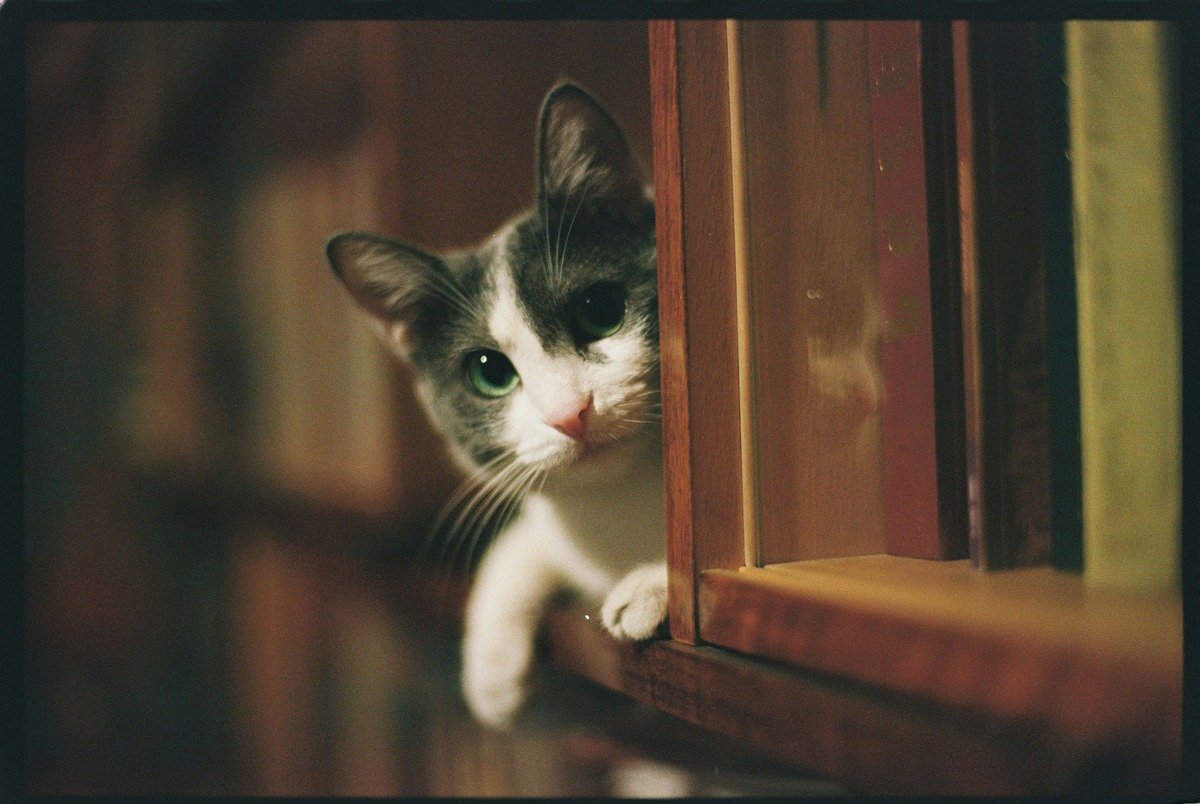
You may notice a few changes during this period:
- Hiding more than usual: Your cat may choose a quiet corner or hide under the bed while getting used to the new home.
- Exploring slowly: It may take time before your cat feels comfortable exploring different rooms.
- Eating less: Some cats may temporarily lose interest in food because of the stress of moving.
- Being less social: Your cat may avoid family members until it becomes familiar with its new surroundings.
How to Help Your Cat Settle In:
Start by giving your cat one quiet room with its familiar bedding, food, water and litter tray. Let it explore the rest of the house gradually rather than giving it access to every room straight away. Keep its daily routine consistent and allow it to approach you when it feels comfortable. With patience and familiar surroundings, most cats gradually become more confident in their new home.
2. Fear of People and Unfamiliar Sorroundings
Some cats take longer to feel comfortable around people they do not know or in places they have never visited before. New visitors, unfamiliar smells and sudden movements can make them feel nervous, especially if they are naturally shy or have had little contact with different people. If you are wondering why is my cat hiding, fear of unfamiliar people or surroundings could be one possible reason. Your cat may run under the bed, hide behind furniture or avoid rooms where visitors are sitting.
Some common triggers include:
- Strangers in the house: Your cat may hide when unfamiliar people visit or try to approach it.
- Sudden movements: Quick movements or loud voices can make a nervous cat feel threatened.
- Unfamiliar smells: New perfumes, clothing or animal scents may make your cat cautious.
- New surroundings: Unfamiliar rooms or places can make it difficult for your cat to feel secure.
How to Help Your Cat Feel Safe:
Give your cat a quiet hiding place where visitors cannot disturb it. Ask guests to avoid chasing, picking up or forcing contact with your cat. Let it approach people when it feels ready, and reward calm behavior with a favourite treat. Giving your cat time and positive experiences can gradually help it become more comfortable around unfamiliar people.
3. Lack of Confience and Socialization
Some cats are naturally shy and may take longer to feel comfortable around people, other pets or new experiences. Cats that had limited contact with different people and surroundings when they were young may find everyday interactions more difficult as adults. Instead of exploring the house or joining family activities, they may prefer staying under furniture or in quiet corners where they feel protected.
You may notice signs such as:
- Avoiding people: Your cat may move away when someone approaches or tries to touch it.
- Hiding frequently: It may spend more time in sheltered places rather than exploring.
- Being nervous around other pets: Unfamiliar animals may make your cat feel uncomfortable.
- Avoiding new experiences: Changes in the home or unfamiliar situations may cause hesitation.
How to Build Your Cat’s Confidence:
Give your cat time to become comfortable without forcing interaction. Start with short, positive experiences, such as offering treats, playing with a favourite toy or sitting quietly nearby. Introduce new people and pets gradually, and always allow your cat to move away when it wants. With patience and gentle encouragement, a shy cat can gradually become more confident.
4. When Hiding in Kittens May Indicate Illness
Kittens spend a lot of time sleeping and may sometimes hide when they need rest or feel unsure about their surroundings. However, if a kitten suddenly starts hiding more than usual, it is worth paying attention. Young kittens can become unwell quickly, and changes in their behavior may be an early sign that something is wrong.
Watch for these signs alongside hiding:
- Loss of appetite: Your kitten may refuse food or show less interest in feeding.
- Low energy: It may seem unusually sleepy, weak or less interested in playing.
- Vomiting or diarrhea: These symptoms can lead to dehydration, especially in young kittens.
- Breathing problems: Fast, difficult or noisy breathing needs immediate veterinary attention.
- Changes in behavior: A normally playful kitten may become quiet, avoid interaction or spend more time hiding.
When to Contact a Vet:
If your kitten is hiding and also refusing food, seems weak or has vomiting or diarrhea, contact your vet promptly. Kittens have smaller energy and fluid reserves than adult cats, so illness can affect them more quickly. If you notice difficulty breathing, collapse or severe weakness, seek emergency veterinary care. Early treatment can make a real difference to a kitten’s recovery.
Why Is My Cat Suddenly Hiding and Acting Differently?
A sudden change in your cat’s behavior can be concerning, especially if it normally enjoys spending time with you. You may notice your cat hiding under the bed, avoiding family members, eating less or losing interest in play. These changes can be linked to stress, fear, changes in the home or an underlying health problem. Pay attention to when the behavior started and whether other symptoms have appeared. If your cat continues acting differently or shows changes in appetite, energy or litter tray habits, a veterinary check-up can help identify the cause.
1. Hiding Under the Bed
Hiding under the bed is a common way for cats to find a quiet, sheltered place when they feel uncomfortable or need some time alone. The space underneath provides protection from noise, visitors and household activity. However, if your cat suddenly starts spending most of its time under the bed, it is worth looking at what may have changed.
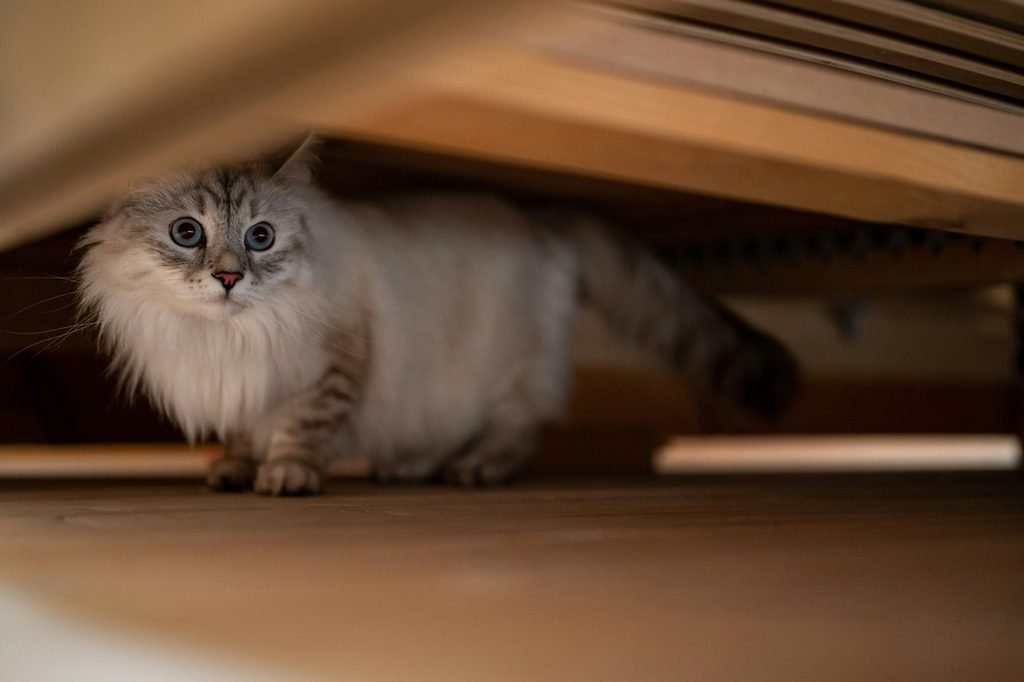
Possible reasons include:
- Feeling frightened: Loud noises, unfamiliar visitors or sudden movements may make your cat seek shelter.
- Stress at home: Changes in routine, new pets or moving furniture can make familiar surroundings feel less secure.
- Pain or illness: A cat that feels unwell may hide to avoid interaction and rest undisturbed.
- Needing privacy: Some cats simply prefer enclosed spaces where they can sleep without being disturbed.
How to Help:
Make sure your cat has a comfortable hiding place, such as a covered bed or cardboard box. Avoid pulling it out from under the bed. If the hiding behavior is sudden, persistent or accompanied by changes in eating, movement or toileting, consult your vet.
2. Hiding Under the Sofa or Behind Furniture
Finding your cat hiding under the sofa, behind a cupboard or between pieces of furniture may be its way of feeling safe when something around it feels uncomfortable. These enclosed spaces offer shelter and allow your cat to stay away from noise, visitors or other pets. However, if your cat starts hiding in these places more frequently than usual, it is worth paying attention to its behaviour.
Common reasons include:
- Seeking protection: Narrow, covered spaces can make your cat feel safer when it is frightened.
- Avoiding noise: Household activity, loud sounds or visitors may encourage your cat to find a quieter spot.
- Feeling uncomfortable: Stress or physical discomfort may cause your cat to avoid normal resting areas.
- Wanting privacy: Your cat may simply prefer a quiet place to sleep or relax without interruptions.
How to Help:
Provide a comfortable covered bed or a quiet hiding spot where your cat can rest undisturbed. Keep the surrounding area calm and avoid dragging your cat out of hiding. If this behavior is new or comes with changes in appetite, energy or movement, arrange a vet check-up.
3. Hiding in Cupboards or Small Spaces
Some cats prefer hiding in cupboards, drawers or small enclosed spaces where they can feel protected and undisturbed. These places offer warmth, privacy and a quiet environment, especially when the house is busy or unfamiliar people are around. Your cat may also choose these spots when it wants to rest away from noise and everyday activity. However, if it suddenly starts hiding in unusual places or spends most of the day out of sight, pay attention to any other changes in its behavior.
Common reasons include:
- Feeling safe: Enclosed spaces can provide a sense of security when your cat feels nervous.
- Seeking warmth: Cupboards and small spaces may feel cozy and comfortable.
- Avoiding disturbance: Your cat may hide away from children, visitors or other pets.
- Needing privacy: Some cats simply prefer quiet places where they can rest alone.
How to Make Your Cat Feel Safe and Comfortable
Provide a comfortable hiding spot, such as a covered cat bed or cardboard box, in a quiet area. Keep cupboards and drawers closed when they are not safe for your cat, and always check before closing them. Avoid forcing your cat out of its hiding place. If hiding becomes sudden or excessive, or comes with changes in appetite or behavior, consult your vet.
Why Is My Cat Hiding but Still Eating and Drinking?
If your cat is hiding but still eating and drinking normally, it does not always mean something is seriously wrong. Some cats continue their usual eating habits while feeling stressed, frightened or uncomfortable. Changes in the home, unfamiliar visitors or a new pet may encourage your cat to spend more time in quiet places where it feels safe.
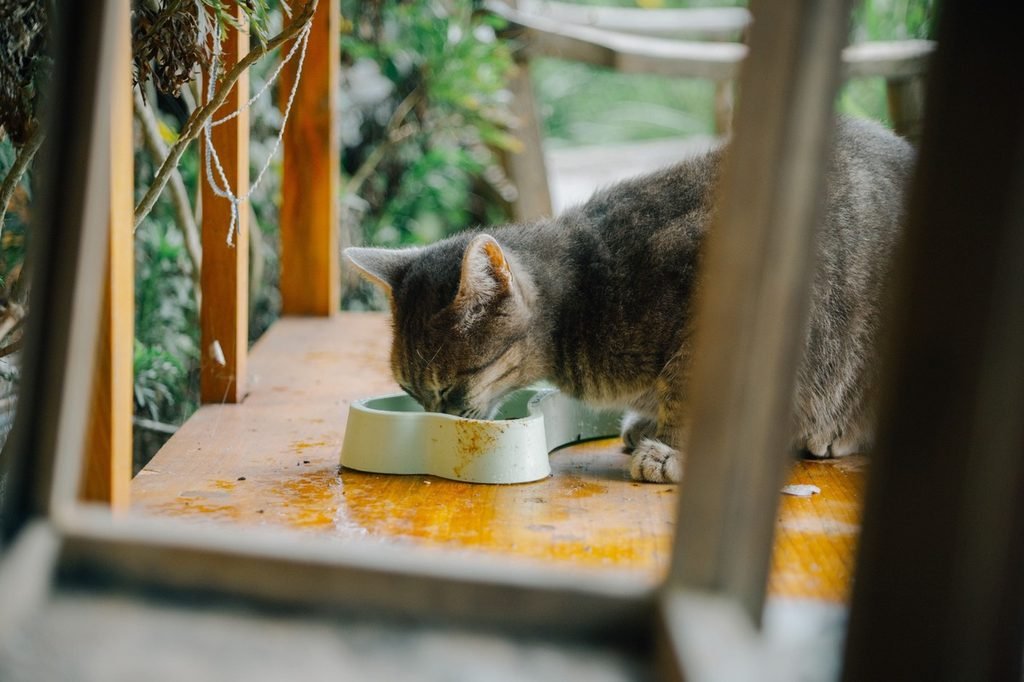
However, a normal appetite does not completely rule out pain or illness. Pay attention to other changes, such as reduced activity, unusual sleeping habits, avoiding interaction or changes in litter tray use. If your cat suddenly starts hiding more than usual or the behavior continues, consult your vet to check for an underlying health problem.
Where Do Cats Usually Hide and What Does It Means?
Cats choose different hiding places depending on where they feel safe, comfortable or undisturbed. Some prefer enclosed spaces, while others look for quiet corners away from people and household activity. The place your cat chooses may give you a clue about what is making it hide.
Common hiding places include:
- Under the bed: Your cat may go there when it feels frightened, stressed or wants some quiet time.
- Under the sofa: Narrow spaces can provide shelter from noise, visitors or other pets.
- Inside cupboards or wardrobes: Dark, enclosed areas may feel safe and cosy.
- Behind furniture: Your cat may choose these spots to watch its surroundings without being disturbed.
- Inside boxes or covered beds: Small spaces can provide warmth, privacy and a sense of security.
- In quiet rooms: Your cat may prefer to rest away from busy household areas.
Remember, hiding in these places is not always a sign of a problem. However, a sudden change in hiding habits, especially alongside unusual behavior or signs of illness, should not be ignored.
How to Help a Hiding Cat Feel Safe and Comfortable
Helping a hiding cat feel comfortable takes time, patience and a little understanding. Cats need to feel that their surroundings are safe before they become comfortable enough to explore or interact with people. Instead of trying to bring your cat out of hiding, focus on creating a calm environment where it can relax and come out whenever it feels ready. Small changes in its surroundings and daily routine can make a difference.
Create a Quiet and Secure Hiding Space
Choose a quiet area where your cat can rest without being disturbed by visitors, children or other pets. A covered cat bed, cardboard box or comfortable blanket can provide a cosy place to hide and relax. Some cats prefer higher resting spots, while others feel safer in enclosed spaces close to the floor. Make sure the hiding area is away from loud noises and has easy access to its everyday needs. Having more than one safe resting spot can also give your cat a choice.
Give Your Cat Time and Avoid Forcing Interaction
If your cat chooses to hide, allow it to come out in its own time. Chasing it, pulling it from under the bed or repeatedly trying to pick it up can increase its fear and make it less comfortable around people. Instead, sit nearby quietly and speak in a gentle voice. You can offer a favourite treat or toy without moving too close. Let your cat decide when it wants attention or interaction. Building trust takes time, especially with shy or nervous cats.
Keep Food, Water and Litter Accessible
Make sure your cat can reach fresh water, food and its litter tray without having to pass through busy or noisy areas. If your cat feels frightened, it may avoid walking through places where it does not feel safe. Keep its food and water in familiar locations, but place the litter tray separately from feeding areas. Clean the litter tray regularly and check that your cat is eating, drinking and using it as usual. These simple steps can help you notice changes in its normal habits.
Use Toys and Positive Reinforcement
Playtime can help a nervous cat become more comfortable with its surroundings. Try using a feather wand, soft ball or another toy your cat enjoys. Start slowly and allow your cat to join in without pressure. You can also offer small treats when it voluntarily comes out of hiding, approaches you or explores a new area. Rewarding these small steps can help create positive experiences. Avoid forcing play if your cat seems frightened or uninterested.
Introduce New People and Pets Gradually
New visitors and unfamiliar animals can make a cat feel uncomfortable, especially if it is not used to sharing its space. Give your cat a quiet room where it can retreat when guests arrive. Ask visitors not to chase, pick up or approach it suddenly. When introducing another pet, start by keeping them in separate areas and allowing them to become familiar with each other’s scent before meeting. Gradual introductions and supervised interactions can help reduce tension and make the experience easier for both animals.
Maintain a Familiar Daily Routine
Cats often feel more settled when their daily activities are predictable. Try to keep feeding times, play sessions and other everyday activities consistent. Sudden changes in meal times, sleeping areas or household arrangements can make some cats feel unsettled. If you need to make changes at home, introduce them gradually rather than changing everything at once. Familiar bedding, toys and resting places can also provide comfort while your cat adjusts.
When Should You Worry About Your Cat Hiding?
Hiding is not always a reason to worry, especially if your cat is eating, drinking, playing and behaving normally. However, if it suddenly starts spending most of the day out of sight or avoids places it usually enjoys, something may be bothering it. Pain, illness and changes in health can sometimes cause cats to withdraw from their usual activities. The important thing is to notice whether hiding is accompanied by other changes.
Watch for these warning signs:
- Loss of appetite: Your cat eats much less than usual or refuses its food.
- Changes in drinking: It suddenly drinks much more or less water than normal.
- Unusual tiredness: It stops playing, sleeps more than usual or seems weak.
- Signs of pain: It becomes uncomfortable when touched, limps or avoids jumping.
- Litter tray problems: It starts urinating outside the tray, visits it frequently or struggles to pass urine.
- Changes in grooming: Its coat looks untidy because it is no longer grooming normally.
When to Contact Your Vet
If your cat’s hiding behavior is unusual, continues or occurs alongside any of these symptoms, arrange a veterinary examination. Do not wait for several days if your cat is refusing food, appears unwell or seems to be in pain. Cats can hide discomfort, so even small changes in their normal behavior are worth taking seriously.
Important: If your cat repeatedly strains to urinate but produces little or no urine, seek emergency veterinary care immediately. A urinary blockage, particularly in male cats, can become life-threatening.
How Long Is It Normal for a Cat to Hide?
There is no fixed amount of time that is normal for a cat to hide. It depends on its personality, surroundings and what has caused it to feel uncomfortable. For example, a cat moving into a new home may spend the first few days hiding while it gets used to unfamiliar smells, sounds and people. Some cats become comfortable within a few hours, while others need several days or longer to settle in.
What matters most is whether your cat is gradually returning to its normal routine. It should still be eating, drinking and using the litter tray. You may also notice it coming out to explore, showing interest in toys or spending more time with family members as it becomes comfortable.
If your cat continues hiding without showing signs of improvement, suddenly starts hiding more than usual or develops other symptoms, contact your vet. Do not assume that prolonged hiding is simply a personality trait, as pain or illness can also cause this behavior.
How to Encourage Your Cat to Come Out of Hiding Without Stress
If you are wondering why is my cat hiding, remember that forcing it to come out can make it feel even more frightened. The best approach is to help your cat feel safe enough to explore at its own pace. Start by keeping the room quiet and reducing anything that may be causing stress, such as loud noises or too many people nearby.
You can encourage your cat gently by sitting nearby, speaking in a calm voice or placing a few treats just outside its hiding spot. A favourite toy may also help build its confidence, but avoid reaching into its hiding place or pulling it out. Let your cat decide when it is ready to come out. With patience and a familiar, comfortable environment, it may gradually become more confident and start exploring again.
How to Prevent Stress-Related Hiding in Cats
Preventing stress-related hiding starts with helping your cat feel safe and comfortable at home. Cats can become unsettled by changes in their surroundings, unfamiliar people, loud noises or a new pet. Although you cannot avoid every change, making things more predictable can help your cat cope better.
Here are some simple ways to reduce stress:
- Keep daily routines consistent: Try to maintain regular feeding, play and rest times so your cat knows what to expect.
- Provide a quiet hiding place: A covered bed, cardboard box or quiet corner gives your cat somewhere to retreat when it feels overwhelmed.
- Introduce changes gradually: If you bring home a new pet, welcome visitors or rearrange furniture, give your cat time to adjust instead of changing everything at once.
- Respect your cat’s boundaries: Allow it to approach people in its own time. Avoid chasing it, pulling it out of hiding or forcing interaction.
- Keep important resources accessible: Make sure food, fresh water, litter trays and resting areas are easy to reach without your cat having to pass noisy or busy areas.
- Spend time playing: Gentle play with a favourite toy can provide mental stimulation and help build confidence, especially in indoor cats.
Every cat responds to stress differently, so pay attention to changes in its normal behavior. If hiding becomes frequent, starts suddenly or continues despite a calmer environment, arrange a vet check-up. Pain or illness can sometimes cause similar behavior.
Final Thoughts: Helping Your Cat Feel Safe, Secure and Comfortable
Understanding why is my cat hiding can help you work out what may be affecting your cat’s behavior. Sometimes, hiding is simply a way for cats to enjoy some quiet time or feel protected when their surroundings are unfamiliar. However, if your cat starts hiding more often, avoids family members or stops spending time in its usual places, it is important to notice what may have changed.
Stress can develop for different reasons, including moving to a new home, loud noises, unfamiliar visitors or the arrival of another pet. Giving your cat a quiet place to rest, keeping its daily routine familiar and allowing it to approach people in its own time can help it feel more comfortable. Avoid forcing it out of hiding, as this may make it feel even more anxious.
It is also important to look beyond the hiding itself. Notice whether your cat is eating normally, drinking enough water, grooming regularly and using its litter tray as usual. Changes in appetite, energy levels, movement or toilet habits may suggest that something more than stress is affecting its health.
Every cat has its own personality, and some naturally prefer quiet spaces more than others. With patience, gentle care and a comfortable home environment, you can help your cat feel safe and confident again. If the hiding is sudden, persistent or accompanied by unusual symptoms, speak to your vet to rule out an underlying health problem.
Frequently Asked Questions About Cats Hiding
1. Why is my cat hiding all of a sudden?
A cat may suddenly start hiding because something has made it feel frightened, stressed or uncomfortable. Loud noises, unfamiliar visitors, a new pet or changes in the home can affect its behaviour. However, sudden hiding can also be linked to pain or illness. If your cat is behaving differently from usual, pay attention to other changes and contact your vet if the behaviour continues.
2. Is it normal for a cat to hide all day?
Some cats prefer spending long periods in quiet, sheltered places, especially when they are sleeping or avoiding busy household activity. However, hiding for most of the day is not always normal, particularly if this is a new behaviour. Check whether your cat is coming out to eat, drink, use the litter tray and interact as usual. If it rarely comes out or seems unwell, arrange a veterinary check-up.
3. Why is my cat hiding but still eating and drinking?
Eating and drinking normally can be reassuring, but they do not completely rule out stress, pain or illness. Your cat may be feeling anxious because of changes in its surroundings or may be avoiding interaction because it feels uncomfortable. Watch for changes in energy, grooming, movement and litter tray habits. If the hiding is unusual or persistent, speak to your vet.
4. How long is it normal for a cat to hide?
There is no fixed time because every cat adjusts differently. A cat introduced to a new home may hide for a few hours or several days while becoming familiar with new smells, sounds and people. What matters is gradual improvement. If your cat continues hiding without becoming more comfortable, or develops other unusual symptoms, contact your vet.
5. Should I pull my cat out of its hiding place?
No, you should not pull your cat out unless it is in immediate danger. Forcing it to leave can increase fear and make it less comfortable around you. Instead, give it some space, keep the surroundings quiet and allow it to come out when it feels ready. You can place a few treats or a favourite toy nearby to encourage it gently.
6. Can stress cause a cat to hide?
Yes, stress is a common reason cats may spend more time hiding. Moving house, unfamiliar visitors, loud noises, changes in routine and introducing another pet can make a cat feel unsettled. Providing a quiet hiding space, keeping daily routines consistent and introducing changes gradually can help reduce stress.
7. Why does my cat hide under the bed or sofa?
Under beds and sofas are popular hiding places because they offer shelter, privacy and protection from noise or household activity. Your cat may choose these spots when visitors arrive, when it feels frightened or simply when it wants some uninterrupted rest. However, if it suddenly starts spending most of its time there, look for other changes in its behavior.
8. How can I make my hiding cat feel safe?
Give your cat a quiet, comfortable space where it can rest without being disturbed. A covered bed, cardboard box or familiar blanket can provide a sense of security. Keep food, water and a litter tray accessible, and avoid chasing or forcing your cat to interact. Allowing it to approach you at its own pace can help build confidence.
9. When should I take my hiding cat to the vet?
Contact your vet if your cat suddenly starts hiding more than usual, continues hiding or shows other changes such as reduced appetite, unusual tiredness, vomiting, poor grooming or difficulty moving. Do not wait if your cat seems to be in pain or becomes very weak. If it strains to urinate but produces little or no urine, seek emergency veterinary care, as this may indicate a urinary blockage.
10. Do cats hide when they are sick or in pain?
Yes, cats may hide when they feel unwell or experience pain. Dental problems, injuries, joint discomfort and digestive issues can make them less active and less interested in interaction. You may also notice changes in eating, grooming, movement or litter tray habits. Because cats can hide signs of illness, a sudden change in behavior should be taken seriously and checked by a vet.