The Maine Coon is one of the most admired cat breeds in the UK — big, fluffy, gentle, and full of personality. Known as the “Gentle Giant,” this breed combines a powerful and majestic appearance with an affectionate and family-friendly nature. Their large size, bushy tail, and tufted ears make them look almost wild, yet their heart are soft, loyal, and loving.
Whether you live in a spacious home or a cozy cottage, the Maine Coon adapts beautifully to family life. They’re playful, intelligent, and surprisingly gentle for their size. Many UK families choose this breed because it gets along well with children, other pets, and even quiet indoor environments.
The Maine Coon is known for its large size, gentle personality, and luxurious coat — trusted breed information can be found at Cats Protection’s Maine Coon breed advice page.
In this complete guide, we’ll explore everything that makes the Maine Coon Cat UK such a beloved breed — from its origins, appearance, and temperament to grooming, care, health, and price in the UK.
Let’s meet the charming, majestic, and warm-hearted Maine Coon — a cat that brings size, beauty, and affection into any British home.
1. History & Origin
The Maine Coon has one of the most fascinating backgrounds in the cat world, and understanding the history and origin of the Maine Coon reveals just how unique this breed truly is. Although the exact story is a mix of legend and truth, most believe the Maine Coon developed naturally in the cold forests of the northeastern United States.
Some say they were companions of sailors.
Others say they descended from long-haired cats brought by Vikings.
And a few stories even claim they came from royal cats that travelled with Marie Antoinette.
Whatever the true origin, one thing is certain: the Maine Coon evolved to survive harsh winters. Their long, water-resistant fur, bushy tail, and strong muscles are all traits shaped by nature, not by selective breeding.
Over time, their friendly nature and impressive size made them household favourites in America. Eventually, the breed moved to Europe and then the UK, where British families fell in love with their gentle personality and majestic appearance.
Today, the Maine Coon Cat UK is known as the Gentle Giant — a cat with wild beauty and a soft heart.
2. Appearance & Characteristics
The appearance and characteristics of the Maine Coon are what make this breed truly unforgettable. With their large size, long flowing fur, and expressive features, they look like a mix between a gentle lion and a cozy house cat. Everything about the Maine Coon feels big — their paws, their tail, their body, and even their heart.
One of the most iconic features is their tufted ears, which give them a wild, lynx-like look. Their long, bushy tail is another standout trait — often described as “feather-like” because of the silky, full fur that hangs beautifully when they walk. For acknowledging characteristics of a maine coon read its breed overview.
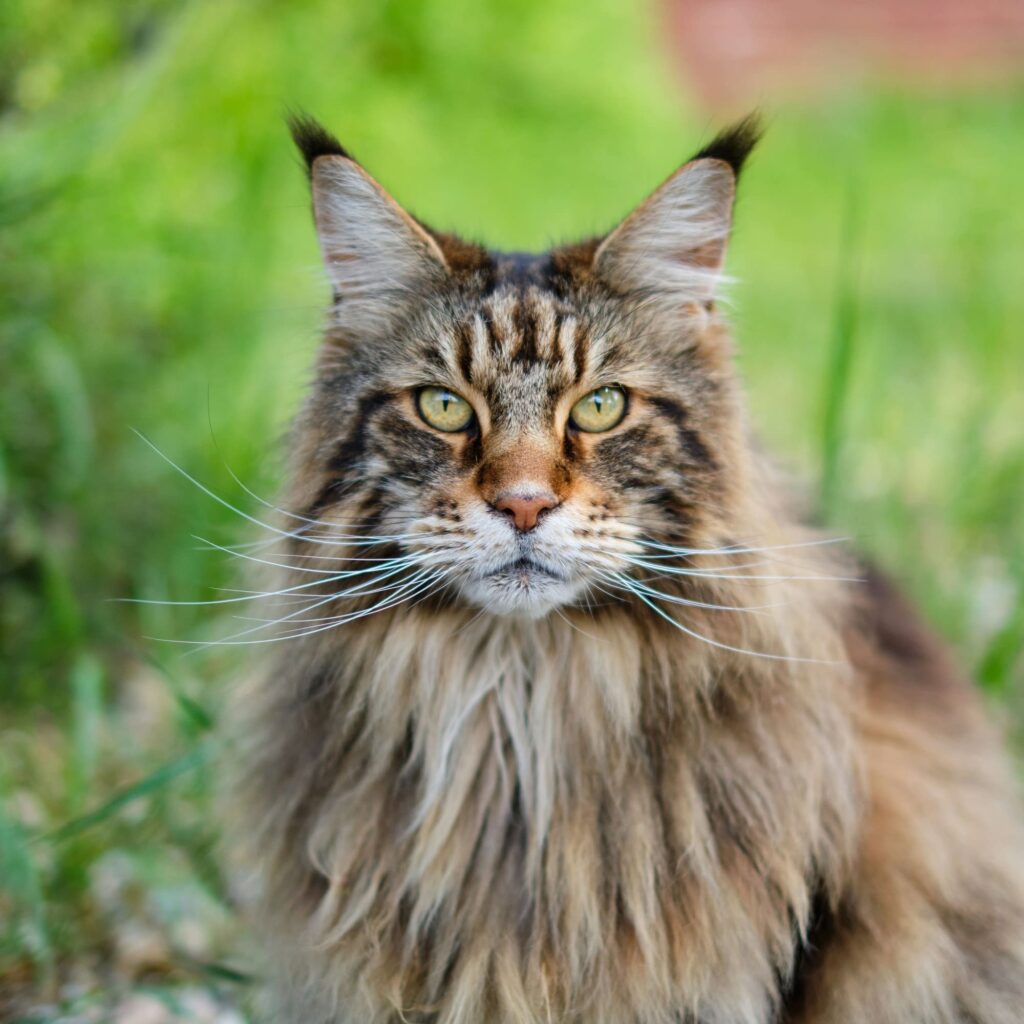
Despite their impressive size, Maine Coons have a soft expression. Their large oval eyes, strong jawline, and smooth face shape give them a friendly, intelligent look that matches their personality perfectly.
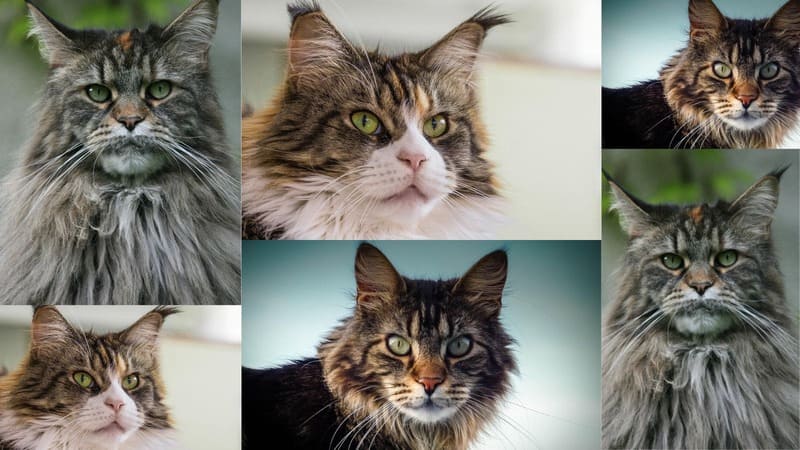
Maine Coons come in a huge variety of colours:
• Brown tabby (most popular)
• Silver
• Black
• White
• Red
• Blue
• Cream
• Tortoiseshell
• and many patterns like pointed, solid, or tabby
Their coat is long but designed by nature to protect them from cold weather.
It’s water-resistant, silky, and surprisingly easy to maintain compared to other long-haired breeds.
Overall, the Maine Coon’s appearance is bold and majestic, yet warm and welcoming — a perfect balance of wild beauty and domestic charm.
3. Personality & Temperament
The personality and temperament of the Maine Coon are often described as the perfect blend of confidence, kindness, and playful charm. Even though they look wild and powerful from the outside, their inner nature is incredibly soft, gentle, and warm-hearted.
Maine Coons are famously known as “Gentle Giants” — big in size but even bigger in love. They stay close to their families without being clingy, offering a quiet loyalty that feels comforting and natural. You’ll often find them following you from room to room, not to demand attention, but just to be near the people they care about.
What makes their personality so special is their balanced behaviour.
They are playful but not hyper.
Affectionate but not needy.
Confident but never aggressive.
Maine Coons enjoy short bursts of play throughout the day — chasing toys, exploring small spaces, or sitting by the window watching birds. Their intelligence shines through in the way they problem-solve, learn routines, and communicate gently with soft chirps and trills.
These cats also tend to bond strongly with their owners, yet they remain polite and patient with guests, children, and even other pets. Their gentle nature makes them excellent companions for families, especially because they rarely scratch, bite, or show sudden mood swings.
Another charming trait is their dog-like behaviour. Maine Coons are known to greet their owners at the door, walk beside them, and even bring toys like a little hunter showing off its treasure. They enjoy being part of whatever you’re doing — whether it’s working on a laptop, cooking, or simply relaxing in the living room.
Despite their size, they are incredibly emotionally sensitive. They can sense your mood, stay close when you’re tired or sad, and brighten the home with their quiet, comforting presence.
Overall, the Maine Coon’s temperament can be summed up in three words:
gentle, playful, and loyal — a personality that fits beautifully into UK homes of every size.
4. Grooming & Care
The grooming and care of the Maine Coon may look intimidating at first because of their long, luxurious coat — but in reality, this breed is surprisingly easy to manage. Their fur is designed by nature, not by selective breeding, which means it behaves differently from the heavy, cotton-like coats of other long-haired cats.
Their coat has a gentle silkiness to it, falling naturally and rarely forming hard tangles. Still, a little regular grooming keeps them healthy, clean, and comfortable.
A brushing routine of two to three times a week is ideal.
It doesn’t need to be rough or long — just a slow, soft grooming session that removes loose hair and keeps their coat shiny. Most Maine Coons enjoy this bonding time. They sit calmly, purr softly, and lean into the brush as if they’re enjoying a spa moment.
During shedding seasons (spring and autumn), they may need an extra brushing session, but even then, their coat is forgiving and pleasant to work with.
| Maine Coons require routine grooming and health checks to prevent common cat problems — follow cat health and care tips from the RSPCA to keep them happy. Source: RSPCA |
Another important part of their care is exercise. Maine Coons are naturally active and curious, even as adults. They love climbing, exploring, and observing the world from high spaces. A few cat towers, window perches, or even simple cardboard boxes will keep them mentally and physically stimulated.
They are not destructive, but they do appreciate room to stretch and move.
Even a small UK flat can work beautifully for a Maine Coon as long as you offer vertical space and interactive playtime.
When it comes to daily care, Maine Coons thrive in routine:
• Clean, fresh water every day
• A tidy litter box (they are VERY clean cats)
• Short daily play sessions
• Occasional nail trimming
• Weekly ear checks
• Gentle brushing under the belly and behind the legs
Maine Coons are deeply attached to their families, so grooming and care often become bonding moments. They enjoy being near you, listening to your voice, and feeling your gentle touch.
Caring for a Maine Coon isn’t a chore —
It’s an experience that brings you closer to a breed that’s already warm-hearted, sensitive, and incredibly loyal.
This is a cat that gives back every bit of care with affection, trust, and quiet companionship.
5. Health & Lifespan
The health and lifespan of the Maine Coon reflect the breed’s strong, natural roots. Maine Coons are generally healthy cats with a lifespan of 12 to 15 years, and many live longer with proper care, balanced meals, and regular checkups.
Because they are one of the oldest naturally developed breeds, their bodies are strong and resilient. However, like all purebred cats, there are a few conditions to be aware of. The most common is hypertrophic cardiomyopathy (HCM) — a heart condition that responsible breeders test for. Some Maine Coons can also develop joint issues such as hip dysplasia, especially because of their large size.
Aside from these risks, Maine Coons tend to stay active and healthy throughout their lives. Their playful nature keeps them fit, while their calm temperament reduces stress-related health problems.
Regular vet visits, a nutritious high-protein diet, and a stable indoor environment help them live long, comfortable lives. With the right care, a Maine Coon becomes a loyal, gentle companion for many years.
6. Diet & Feeding
The diet and feeding of the Maine Coon should support its large frame, active nature, and long coat. This breed needs a diet rich in high-quality animal protein, as their body relies heavily on meat to maintain muscle strength.
Because Maine Coons are naturally energetic, they burn more calories than many other indoor cats. Feeding them balanced meals with real chicken, turkey, or fish helps keep their weight stable and their coat shiny.
Portion control is important.
Two measured meals a day prevent overeating while keeping their energy levels steady. You can also include healthy treats, but keep them within 5–10% of the daily calories.
Fresh water is essential, especially for this breed. Their long coat and active lifestyle mean they benefit from good hydration. Many Maine Coons enjoy water fountains, which encourage better drinking habits.
Overall, a protein-rich diet, controlled portions, and clean water keep the Maine Coon healthy, strong, and full of natural energy.
7. Price in the UK
The price in the UK of the Maine Coon reflects the breed’s popularity, size, and strong demand among families. On average, a healthy Maine Coon kitten from a reputable UK breeder costs between £1,000 and £1,600. Traditional colours like brown tabby usually fall on the lower end, while rare colours such as silver, blue smoke, or shaded varieties can be more expensive.
Show-quality kittens or those from championship lines may cost £1,800 to £2,200, depending on pedigree and breeder reputation. These kittens often come with health screening, vaccination records, and detailed documentation.
For families considering adoption, Maine Coons do sometimes appear in rescue centres, though less frequently. Adoption fees are typically between £100 and £250, making it a meaningful and budget-friendly option when available.
While the initial price may seem high, their long lifespan, gentle temperament, and easygoing nature make the Maine Coon a deeply rewarding breed for UK households.
Why the Maine Coon Is Perfect for UK Homes
Understanding why the Maine Coon is perfect for UK homes becomes easy once you see how naturally this breed fits into everyday British life. Their calm personality, gentle behaviour, and playful charm make them ideal companions for families, singles, and even first-time cat owners.
Maine Coons love being around people, but aren’t demanding or clingy. They follow you quietly, sit near you while you work, and enjoy simple activities like watching birds from the window, which makes them perfect for UK apartments and houses of all sizes.
The UK’s cool, damp climate also suits them well. Their thick and water-resistant coat naturally protects them from colder temperatures, making them comfortable all year round.
They are incredibly patient and friendly, especially with children and other pets. Their size may be large, but their heart are even larger. They rarely show aggression, communicate with soft chirps instead of loud meows, and bring a peaceful, loving presence into the home.
Whether you live in a busy city, a quiet suburb, or a countryside village, the Maine Coon adapts beautifully.
Their loyalty, intelligence, and gentle confidence make them one of the most suitable and rewarding cat breeds for UK families.
Pros & Cons of the Maine Coon
Understanding the pros and cons of the Maine Coon helps you decide whether this gentle giant truly matches your home, lifestyle, and expectations. Like every breed, the Maine Coon has its strengths and a few small challenges, but overall, it remains one of the most beloved family cats in the UK.
✅ Pros
1. Gentle, Family-Friendly Nature
Maine Coons are known for their calm, loving personality. They’re patient with children and bond deeply with their families.
2. Perfect for Indoor Living
Even with their wild look, they adapt wonderfully to UK indoor homes and enjoy peaceful routines.
3. Low-Aggression Breed
They rarely scratch or bite. Their soft, social behaviour makes them great for multi-pet homes.
4. Playful and Intelligent
Maine Coons enjoy games, puzzles, and interactive toys. Their intelligence keeps them active and engaged.
5. Beautiful, Majestic Appearance
Their tufted ears, long, fluffy tail, and expressive eyes make them visually stunning.
❌ Cons
1. Higher Grooming Needs
Their long coat requires regular brushing to keep it smooth and clean.
2. Can Be Expensive
Maine Coons are one of the more costly cat breeds in the UK.
3. Prone to Certain Health Issues
Conditions like HCM and hip dysplasia can occur, so responsible breeders are important.
4. Need Space to Move
They’re large and playful, so they appreciate room to stretch, climb, and explore.
5. Slow to Mature
Maine Coons can take 3–5 years to fully develop physically and emotionally.
Overall, the Maine Coon offers far more advantages than drawbacks — especially for families wanting a gentle, affectionate, and visually stunning cat.
Final Thoughts: Is the Maine Coon Right for You?
The Maine Coon Cat UK is a wonderful blend of beauty, strength, and gentle affection. Throughout this guide, we explored everything that makes this breed so special — from the appearance and characteristics of the Maine Coon, to their personality, grooming needs, health, diet, and price across the UK.
When you put all these details together, it becomes clear why the Maine Coon is one of the most beloved cat breeds in Britain. This gentle giant brings warmth, loyalty, and a comforting presence into any home, whether you live with family, other pets, or enjoy a quiet life on your own.
Yes, they need regular grooming.
Yes, they’re larger than most cats.
And yes, they can be a bit pricey.
But these small challenges are nothing compared to what they offer in return — companionship, intelligence, playfulness, and a soft emotional bond that grows stronger with time.
If you want a cat that feels like a loyal friend, stays close without being clingy, and fills your home with quiet joy, the Maine Coon may be the perfect match for you.
This is not just a cat.
It’s a gentle heart with a majestic presence — a companion that becomes family.
FAQs about Maine Coon Cat UK
1. Are Maine Coon cats good indoor pets?
Yes, Maine Coons are excellent indoor cats. They enjoy home life, stay calm indoors, and adapt well to UK apartments or houses.
2. How much does a Maine Coon cost in the UK?
Most Maine Coon kittens cost £1,000 to £1,600 in the UK. Show-quality or rare colours may reach £2,000+.
3. Do Maine Coon cats shed a lot?
Yes, they shed seasonally. Regular brushing (2–3 times a week) reduces loose hair and keeps the coat looking healthy.
4. Are Maine Coons friendly with children and pets?
Very friendly. Maine Coons are known for their gentle, patient nature and get along well with kids, dogs, and other cats.
5. How long do Maine Coons live?
They usually live 12 to 15 years, and many live longer with good care and a healthy diet.
6. Do Maine Coons need a lot of space?
They appreciate space to move, climb, and stretch, but they can adapt to smaller UK homes if you provide vertical spaces like cat trees.
7. Are Maine Coons high maintenance?
Moderately. Their long fur needs brushing a few times a week, but they’re easier to groom than many long-haired breeds.
8. What should I feed my Maine Coon?
A high-protein, meat-based diet is best. Choose quality cat food with real chicken, turkey, or fish as the first ingredient.
9. Are Maine Coons loud or talkative?
They’re not loud, but they communicate with soft chirps and trills instead of loud meows — very charming and gentle.
10. How big do Maine Coons get?
They are one of the largest domestic cat breeds. Adult males can reach 6–9 kg, while females usually weigh 4–6 kg.