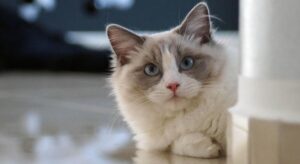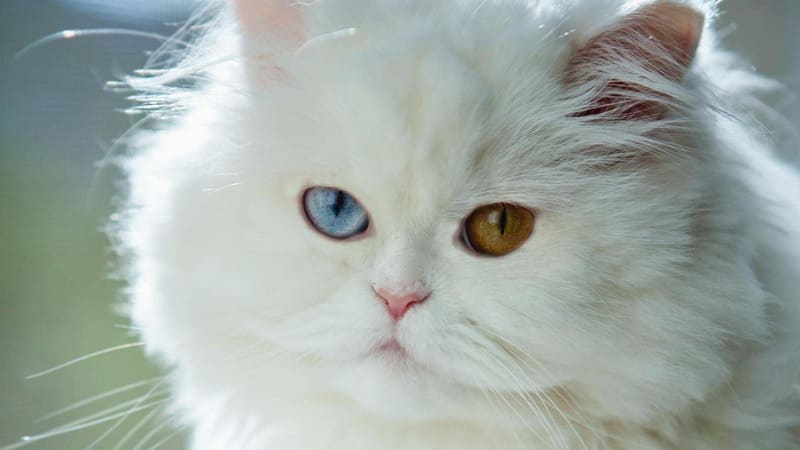
The Persian cat is one of the most elegant and recognizable breeds in the world — famous for its luxurious long coat, calm personality, and sweet, expressive face. In the UK, the Persian is loved as a gentle, affectionate indoor companion that brings softness, beauty, and peace into every home.
Known for their quiet nature, slow movements, and loving behaviour, Persian cats prefer cozy corners, warm blankets, and a calm environment where they can relax and enjoy attention at their own pace. Their beautiful coat and round face give them a royal, timeless look, but their heart is gentle, soft, and filled with loyalty.
In this complete guide, we’ll explore everything that makes the Persian Cat UK one of the most adored indoor cats — from history and appearance to grooming, care, diet, health, price, and more.
1. History & Origin
Understanding the history and origin of the Persian cat takes us back centuries. This is one of the oldest cat breeds in existence, with origins believed to trace back to ancient Persia (modern-day Iran). Their long, luxurious coat and calm nature made them highly prized companions of royalty and nobles.
Persian cats arrived in Europe in the 1600s, where their exotic looks and graceful presence captured the hearts of aristocrats. Over time, selective breeding enhanced their round faces, long coats, and serene temperament.
Today, the Persian Cat UK remains a symbol of elegance — a royal-looking pet that brings beauty, calmness, and warmth into modern British homes.
2. Appearance & Characteristics
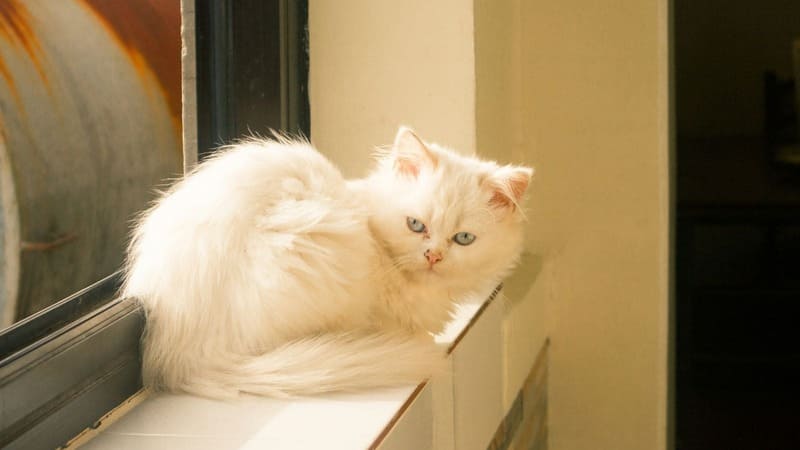
The appearance and characteristics of the Persian cat are truly what set this breed apart from others. Known for their luxurious look and calm presence, Persian cats are often described as one of the most elegant and visually striking cat breeds in the world. Their long, thick, and silky coat is their most recognizable feature, flowing smoothly around their body and giving them a soft, royal appearance. This dense coat not only adds to their beauty but also requires regular grooming to maintain its shine and prevent tangles.
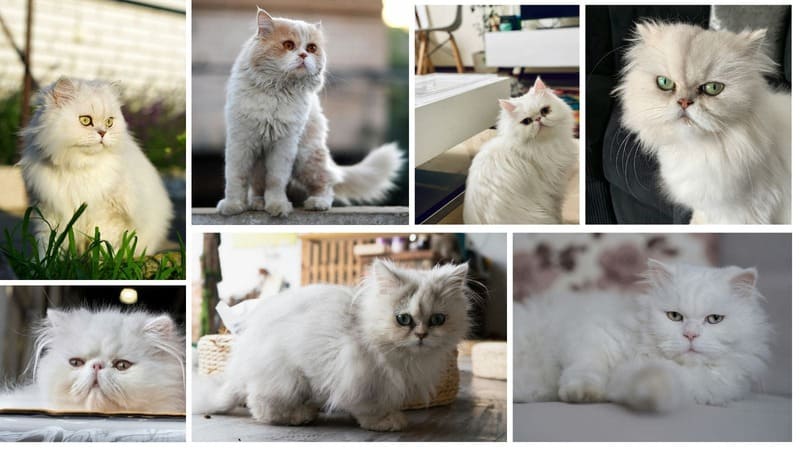
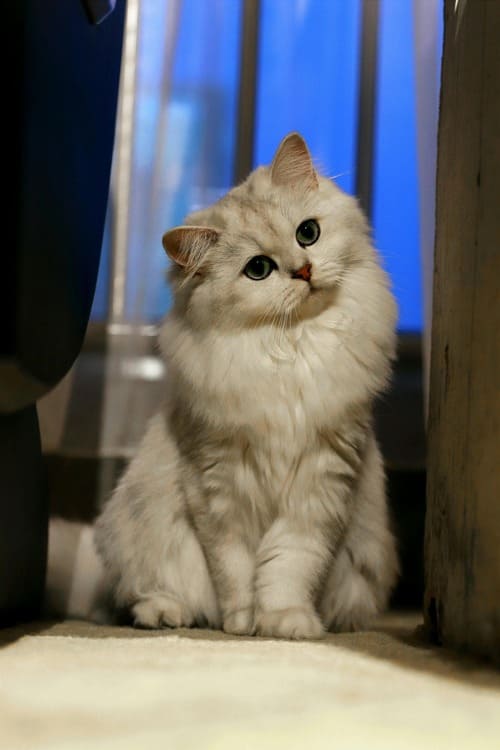
In addition to their coat, Persian cats are famous for their distinctive facial structure. They have a round head, full cheeks, and a short, flat nose, which gives them a unique “flat-faced” or brachycephalic appearance. Their large, round eyes are wide-set and highly expressive, often giving them a gentle, calm, and almost innocent look. Eye colours vary depending on coat colour and can include deep copper, blue, green, or even odd-eyed combinations, which adds to their charm.
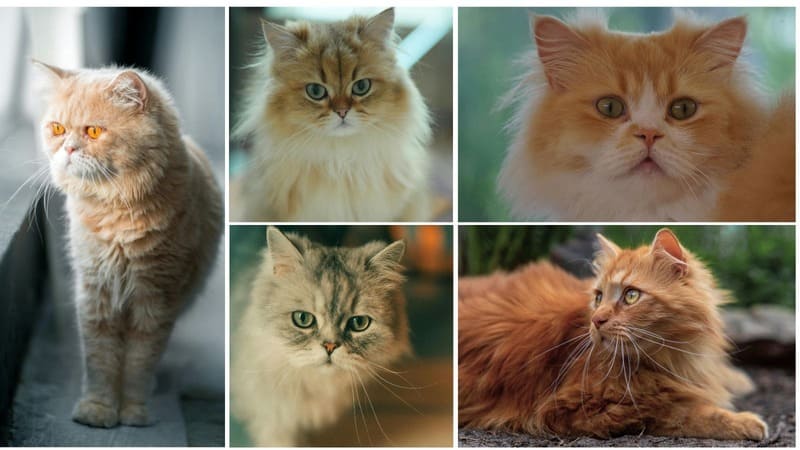
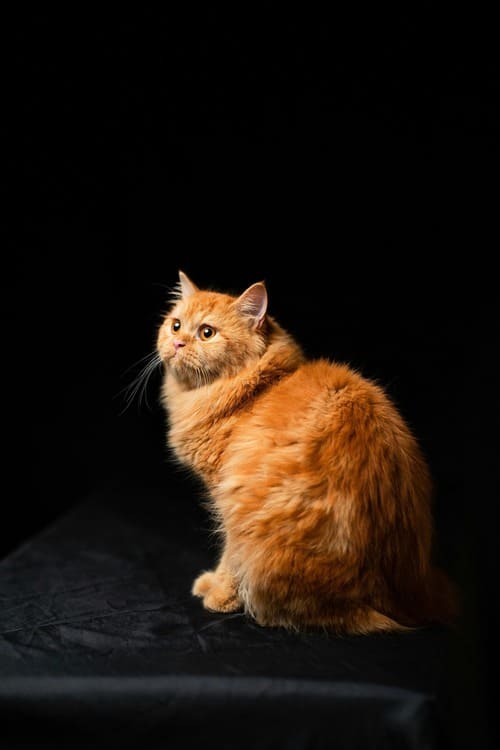
Persian cats come in a wide variety of colours and patterns, making them highly desirable among cat lovers. Common colours include white, black, cream, blue, red, silver, and golden, while patterns such as bi-colour and tabby are also popular. This wide range of coat variations means that no two Persian cats look the same, further increasing their appeal.
Their body structure is compact and sturdy, with a broad chest, short legs, and a well-balanced frame. Despite their fluffy appearance, Persian cats are not overly active and prefer calm, relaxed environments. Their tail is thick and bushy, perfectly complementing their overall soft and rounded look. Every physical feature of a Persian cat — from their plush coat to their gentle expression — reflects elegance, softness, and quiet beauty.
Overall, the Persian cat’s appearance is not just about beauty; it represents a combination of grace, calm temperament, and timeless charm that continues to make this breed one of the most popular choices among cat owners worldwide.
3. Personality & Temperament
The personality and temperament of the Persian cat can be described in three words:
calm, gentle, and loving.
Persians are quiet cats. They don’t seek constant attention, but they enjoy being near their humans — sitting beside you, sleeping on a soft bed, or slowly following you around the house.
They are peaceful companions who prefer calm environments. Loud noises, busy households, or constant activity can stress them, but quiet families, individuals, or seniors will find them perfect.
Persians are affectionate in a soft way — they bond deeply with their owners, enjoy gentle petting, and appreciate a stable routine. They get along with children and pets as long as the home is calm and respectful.
Their emotional sensitivity and quiet charm make them one of the most soothing indoor cat breeds.
4. Grooming & Care
The grooming and care of the Persian cat require dedication, but the results are rewarding. Their long, silky coat is beautiful but needs regular attention to keep it healthy.
Daily or every-other-day brushing helps prevent tangles and mats. A metal comb or soft brush is ideal for removing loose hair and keeping the coat smooth. Many Persian owners also schedule monthly grooming sessions to maintain the coat.
Their flat face means they may need gentle eye cleaning to remove tear stains. Keeping their eyes clean helps maintain their comfort and health.
Persians also love warm, cozy spaces — heated beds, soft blankets, and calm corners make them feel safe and happy. They are low-energy cats, so short play sessions and scratch posts help maintain a healthy weight without overwhelming them.
5. Health & Lifespan
The Persian Cat UK is admired not only for its luxurious coat and gentle personality but also for its generally strong health and relatively long lifespan. On average, a well-cared-for Persian cat in the UK lives between 12 to 17 years, making it a long-term and rewarding companion for families and cat lovers alike. Lifespan can vary depending on genetics, diet, environment, and grooming habits, but indoor living and regular care significantly improve their overall health and longevity.
Like all purebred cats, the Persian cat in the UK does have some breed-specific health considerations. Their signature flat face, while charming, can lead to breathing difficulties and make them more prone to respiratory issues. Eye drainage is another common concern, as their large, expressive eyes can accumulate tears if not cleaned regularly. Dental problems may also arise, so routine dental care and checkups are important to prevent long-term issues.
Polycystic kidney disease (PKD) is a hereditary condition that can affect some Persian cats. Responsible breeders in the UK screen for PKD and other genetic concerns to ensure healthier kittens. Regular veterinary checkups, proper nutrition, and preventive care can help manage these risks effectively.
Persians are also prone to skin and coat problems if grooming is neglected. Their long, silky fur requires daily brushing to prevent tangles, mats, and irritation. Heat sensitivity is another factor to consider; due to their thick coat and flat face, they can overheat more easily, so a cool, calm environment is crucial for their comfort.
Despite these potential challenges, the Persian cat UK thrives when given attentive care. A combination of proper grooming, high-quality food, fresh water, and a stable, low-stress home ensures that they remain happy, healthy, and affectionate companions. With the right care routine, Persian cats continue to be a beloved choice for indoor cat owners in the UK, offering years of calm, loyal companionship, and gentle presence.
In short, while Persian cats do require a little extra attention, their elegance, personality, and long-term devotion make them one of the most cherished cat breeds in the UK. Choosing a responsible breeder and maintaining a consistent care routine are key steps to enjoying the full lifespan and health potential of your Persian companion.
6. Diet & Feeding
The diet and feeding of the Persian cat play a major role in their overall health, coat quality, digestion, and long-term comfort. Persian cats are known for their luxurious long coats, gentle personalities, and calm indoor lifestyles — and because of this, their nutritional needs are slightly different from active or short-haired breeds.
Persians thrive best when fed a high-quality, protein-rich diet, especially one designed for long-haired or flat-faced (brachycephalic) breeds. Their bodies benefit from real meat sources such as chicken, turkey, salmon, tuna, lamb, or beef, which help maintain strong muscles and support a shiny, vibrant coat.
Because they have slower metabolisms and enjoy calm indoor living, Persians don’t burn calories quickly. This makes portion control essential. Overfeeding can lead to weight gain, which may affect their joints, breathing, and overall comfort. Two measured meals a day — one in the morning, one in the evening — help regulate their digestion and energy levels.
Their flat faces also affect how they eat. Persians often struggle with deep bowls, so it’s important to use wide, shallow dishes that allow them to comfortably reach their food without pressing their nose or whiskers into the bowl. This small change can make a huge difference in their eating experience.
Persians can be prone to hairball issues because of their long coat. Choosing foods labeled as “hairball control” — or mixing in hairball treats and fiber-rich wet food — helps reduce shedding-related digestive problems. Adding a little pumpkin puree (plain) once or twice a week also supports smoother digestion.
Hydration is especially important for the Persian cat. Their thick fur makes it harder to notice dehydration, and some Persians naturally drink less water. To support kidney and urinary health, include wet food daily, offer filtered water, and consider using a cat fountain, which encourages drinking through movement and sound.
Treats should be limited, not removed. Persians love treats, but they should make up no more than 5–10% of daily calories. Healthy options include freeze-dried meat treats, dental treats, or omega-rich snacks that support coat health.
Omega-3 and Omega-6 fatty acids from fish oil or salmon oil also help maintain the Persian’s long, silky coat and reduce shedding. Many Persian owners add a small amount of salmon oil to meals a few times a week for shinier fur and healthier skin.
In summary, the diet and feeding of the Persian cat should combine:
✅ high-quality protein
✅ controlled portions
✅ wet food for hydration
✅ shallow bowls for comfort
✅ hairball support
✅ healthy fats for coat health
✅ daily access to fresh water
With a balanced and well-planned diet, your Persian stays elegant, healthy, and beautifully groomed — inside and out.
7. Price in the UK
The price in the UK of the Persian cat can vary widely depending on the kitten’s colour, pedigree, breeder reputation, and whether the cat is pet-quality or show-quality. Because Persians are one of the most recognized and loved long-haired breeds in Britain, their demand remains high — especially for kittens with classic round faces and silky, well-groomed coats.
For most families, the average price of a healthy, pet-quality Persian kitten in the UK ranges between £700 and £1,300. These kittens are perfect companions, bred for temperament and beauty, but not meant for competitive shows.
Colours such as blue, cream, white, and bi-colour Persians tend to stabilise around this price range. However, more eye-catching colours — like silver shaded, golden shaded, chinchilla, chocolate, and lilac — often cost more due to their rarity and controlled breeding lines.
If you are looking for a Persian kitten from championship bloodlines or one specifically bred for show quality, the price can rise significantly. Show-quality kittens typically start around £1,400 and can go up to £2,000+, especially when they come with:
✅ Complete pedigree documentation
✅ PKD testing (very important for Persians)
✅ Proper early grooming
✅ Vaccination and microchipping
✅ Registration from GCCF or TICA
These kittens often have the iconic “doll-face” or “flat-face” Persian look that matches breed standards closely.
Adoption is another wonderful option.
Persian rescue groups and UK shelters occasionally receive adult Persians who need loving homes. Adoption fees usually range from £80 to £250, depending on the cat’s age, health, and the organisation’s policies. This option is not only more affordable but also incredibly meaningful.
While Persians may seem expensive at first, the real investment is in their long-term care — grooming, health checkups, high-quality food, and a comfortable lifestyle. Their gentle temperament, quiet presence, and beautiful coat make them a beloved companion worth every bit of the dedication.
For many UK families, the peaceful companionship and emotional comfort Persians bring into a home far outweigh the initial cost, making them a treasured addition for years to come.
Why the Persian Is Perfect for UK Homes
Understanding why the Persian is perfect for UK homes is easy when you look at their behavior and needs.
They are indoor-loving cats who thrive in calm, cozy British homes. Their peaceful temperament fits beautifully with quiet families, students, and individuals who enjoy relaxing evenings and soft companionship.
Persians don’t need large spaces or constant activity — they prefer comfort, warmth, and predictable routines. Their long coat suits the UK’s colder climate, and their quiet nature makes them perfect for apartments too.
They bring elegance, calmness, and a soothing presence into any home.
Pros & Cons of the Persian
Choosing a Persian Cat UK becomes much easier when you understand both the advantages and the small challenges that come with this elegant breed. Known for their calm personality and luxurious coat, Persians are loved across the UK — but they’re not the right fit for every lifestyle.
Here’s a clear and beginner-friendly breakdown to help you decide if the Persian cat in the UK suits your home and routine.
✅ Pros
1. Calm and Gentle Nature
The Persian Cat UK is one of the most peaceful cat breeds you can find. They are quiet, relaxed, and bring a soothing presence into any home.
2. Beautiful and Luxurious Appearance
With their long, silky coat and expressive eyes, Persian cats are truly eye-catching. Their elegant look makes them one of the most admired cat breeds in the UK.
3. Perfect Indoor Companion
Persians are ideal indoor cats. They feel comfortable in flats, houses, and smaller spaces, making them perfect for modern UK living.
4. Quiet and Affectionate Personality
They are loving without being demanding. A Persian cat enjoys your company but won’t overwhelm you with constant attention.
5. Long Lifespan
With proper care, a Persian cat in the UK can live between 12 to 17 years, offering long-term companionship and emotional comfort.
❌ Cons
1. Daily Grooming Required
The biggest responsibility of owning a Persian Cat UK is grooming. Their long coat needs daily brushing to prevent tangles and maintain its beauty.
2. Can Be Prone to Health Issues
Like many pure breeds, Persian cats may face health concerns, especially related to breathing and eyes. Regular vet checkups are important.
3. Low Energy Levels
Persians are not very active. While this suits calm households, it may not be ideal if you’re looking for a playful or energetic cat.
4. Not Ideal for Loud Homes
The Persian cat prefers peace. Busy or noisy environments can make them uncomfortable or stressed.
5. Eye and Coat Care Needed
Their flat face can lead to tear staining, so regular eye cleaning is necessary along with coat maintenance.
Final Thoughts: Is the Persian Cat Right for You in the UK?
The Persian Cat UK is more than just a beautiful breed — it’s a symbol of calmness, elegance, and quiet companionship. Throughout this guide, we’ve explored everything you need to know, from their rich history and unique appearance to their personality, grooming needs, health, diet, and price in the UK.
When you look at the complete picture, one thing becomes clear: the Persian is a cat designed for peaceful indoor living. Their gentle nature, slow-paced lifestyle, and love of comfort make them a perfect fit for UK homes, whether it’s a small apartment or a family home.
If your lifestyle is calm and you enjoy a relaxed environment, the Persian cat in the UK can easily become your ideal companion. They don’t demand constant activity or attention, but they quietly stay by your side, offering a soft and steady kind of love that feels truly special.
Of course, this breed does require commitment. Regular grooming, a clean environment, and gentle handling are all part of caring for a Persian. But in return, you get something rare — a pet that brings emotional comfort, warmth, and a peaceful presence into your daily life.
For many UK cat owners, that trade-off is more than worth it.
The Persian is not just admired for its long, silky coat or its sweet, expressive face. It’s loved for the way it transforms a home into a calm, cozy space. Their quiet personality and affectionate nature create a bond that feels deep, soothing, and long-lasting.
So, if you’re searching for a cat that is elegant, low-energy, indoor-friendly, and emotionally comforting, the Persian Cat UK might be exactly what you need.
It’s not just a pet —
it’s a peaceful companion that turns everyday moments into something softer, calmer, and more meaningful.
FAQs for Persian Cat UK
1. Are Persian cats good indoor pets?
Yes, they are one of the best indoor cat breeds due to their calm nature.
2. How much does a Persian cat cost in the UK?
Usually £700–£1,300, with show-quality kittens costing more.
3. Do Persian cats shed a lot?
Yes, they shed heavily and require regular brushing.
4. Are Persians good with children?
Yes, as long as the home is calm and the children are gentle.
5. How long do Persian cats live?
They typically live 12 to 17 years.
6. Do Persian cats need a lot of grooming?
Yes, their coat needs brushing daily or every few days.
7. Are Persian cats affectionate?
Very — they bond deeply and enjoy gentle attention.
8. What should I feed a Persian cat?
A high-protein, balanced diet with controlled portions.
9. Do Persian cats have health problems?
Some may have breathing or kidney issues, depending on breeding.
10. Are Persian cats quiet?
Yes, they are soft-spoken and calm, rarely meowing loudly.