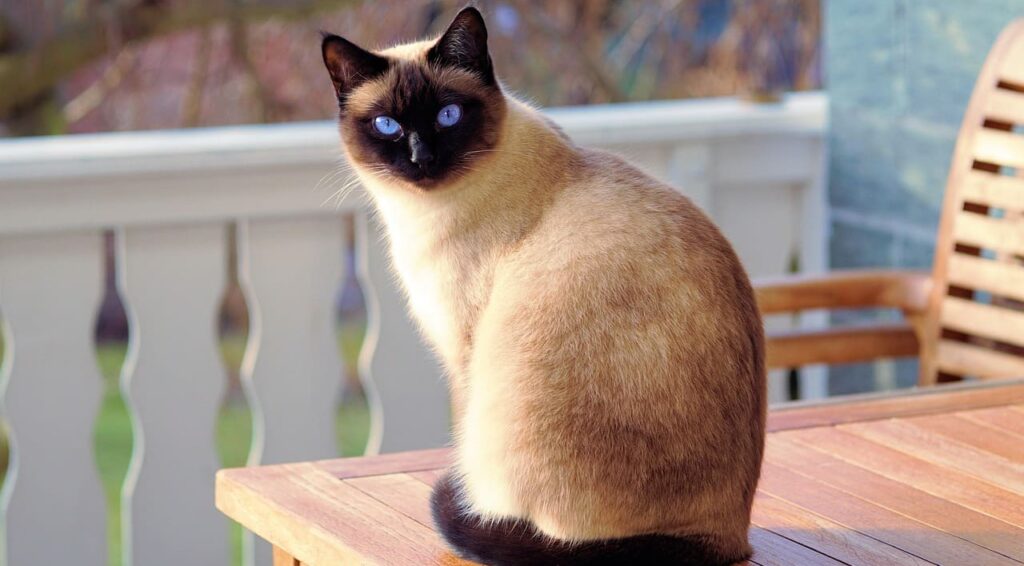
The Siamese is one of the most recognizable and cherished cat breeds in the world — elegant, intelligent, and famously talkative. With their sleek bodies, striking blue almond-shaped eyes, and bold color-point pattern, Siamese cats bring a blend of beauty and personality into every home.
In the UK, the Siamese is especially popular among families and individuals who love an interactive, communicative companion. This is not a quiet, distant cat — it’s a cat that wants to be part of your day, your conversations, and your routine. They follow you around, respond to your voice, and even “chat” back with their signature meows.
Whether you’re in a busy London flat or a peaceful home in the countryside, the Siamese adapts well as long as they receive attention, mental stimulation, and human company. Their curious nature, affectionate behaviour, and strong bonding personality make them one of the most emotionally expressive breeds in Britain.
In this complete guide, we’ll explore everything that makes the Siamese Cat UK so beloved — from their history and appearance to their temperament, care, health, feeding, and price in the UK.
Let’s dive into the world of the Siamese — elegant, social, and wonderfully full of character.
1. History & Origin
Understanding the history and origin of the Siamese reveals why this breed is so elegant, expressive, and deeply connected to humans. The Siamese is one of the oldest and most iconic cat breeds in the world, with roots that trace back hundreds of years to the ancient temples and royal courts of Thailand — formerly known as Siam.
In old manuscripts and legends, Siamese cats were considered sacred companions of kings, monks, and royal families. Their striking appearance and intelligent behaviour made them highly treasured cats, believed to bring luck and protection to noble households. Some stories even say they guarded sacred treasures in temples.
The breed made its way to Europe in the late 1800s, where their beauty and unusual colour-point pattern instantly attracted attention. From there, the Siamese became popular across the UK, admired for their elegance, charm, and incredibly social nature.
Today, the Siamese Cat UK is loved not only for its stunning looks but also for its emotional intelligence, strong bonding, and talkative personality — traits shaped by centuries of close human companionship.
2. Appearance & Characteristics
The appearance and characteristics of the Siamese make this breed truly unforgettable. With their sleek, athletic body and elegant lines, Siamese cats have a beauty that feels both delicate and striking. Their short coat lies close to the skin, highlighting their graceful shape and smooth movements.
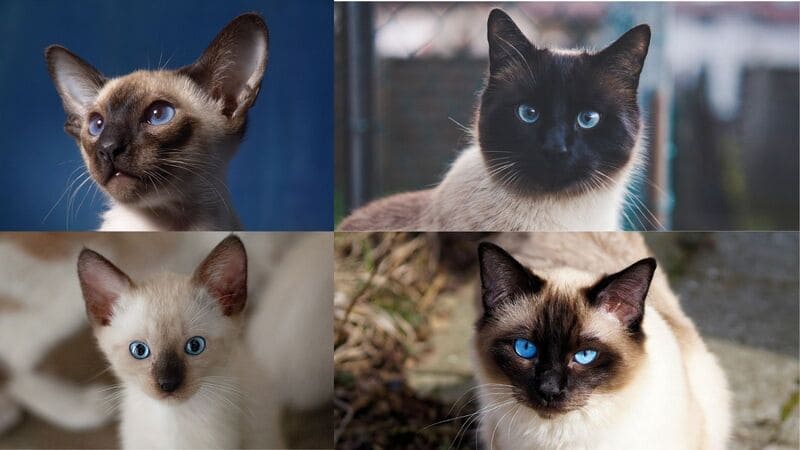
One of the most iconic features of the Siamese is their deep blue, almond-shaped eyes, which stand out brilliantly against their darker facial mask. Their ears are large and pointed, giving them an alert, expressive look that matches their curious personality.
Siamese cats are born white, and their colour points develop gradually as they grow. These points — the darker shades on the face, ears, paws, and tail — come in beautiful variations such as:
• Seal point
• Blue point
• Chocolate point
• Lilac point
• Red or cream point
• Lynx (tabby) point
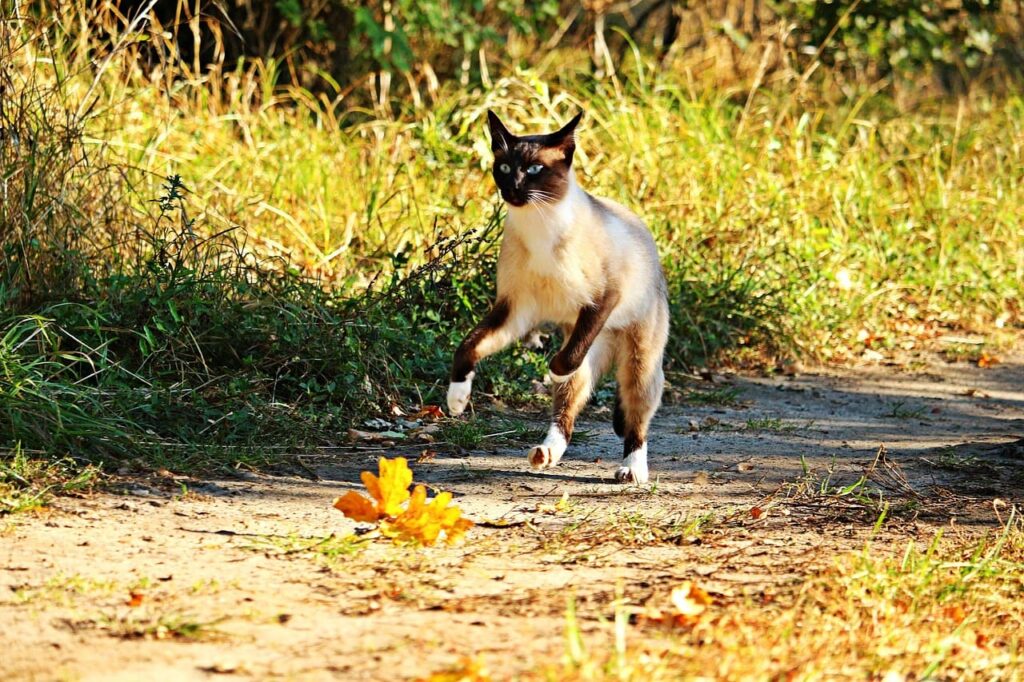
Despite their slender appearance, Siamese cats are muscular, agile, and surprisingly strong. Their body language is expressive, their movements are graceful, and their voice — famously loud — adds personality to everything they do.
Altogether, the Siamese is a perfect mix of elegance, intelligence, and intensity. Their look is instantly recognizable, and their expressive nature makes them unforgettable companions.
3. Personality & Temperament
The personality and temperament of the Siamese are what make this breed one of the most engaging and unforgettable cats in the UK. Siamese cats are highly social, intelligent, and famously vocal — they don’t just meow, they communicate. Their voice is expressive, their presence is energetic, and their emotional connection to their owners is incredibly strong.
Siamese cats love being part of daily life. They follow you around the house, hop onto your lap the moment you sit, and engage in long “conversations” with their unique, deep-toned meow. This is not a quiet, independent breed — this is a cat that wants your attention, affection, and interaction.
They are playful, curious, and mentally active. Puzzle toys, climbing trees, window perches, and interactive games keep them happy and stimulated. Their intelligence also makes them easy to train; they can learn commands, tricks, and routines quickly.
Emotionally, the Siamese is very loyal and forms strong bonds with their families. They adore human company and can become lonely if left alone for long hours. For this reason, they are perfect for people who want an interactive, affectionate, deeply attached companion.
Overall, Siamese cats bring energy, love, and emotional connection into a home — they are expressive, warm-hearted, and wonderfully full of personality.
4. Grooming & Care
The Siamese Cat UK is surprisingly low-maintenance when it comes to grooming, making it an excellent choice for busy families or first-time cat owners. Their short, sleek coat lies close to the body and sheds minimally, meaning occasional brushing is usually enough to keep their fur smooth, shiny, and healthy. Unlike long-haired breeds, Siamese cats have no heavy undercoat, so tangles and grooming issues are rarely a concern.
While they are naturally clean and often groom themselves, a gentle weekly brushing not only reduces shedding but also supports healthy skin. This breed’s care goes beyond grooming, though — their mental and emotional well-being is equally important. Siamese cats thrive on attention, interaction, and play. Providing toys, climbing spaces, and regular quality time strengthens their bond with their owners and keeps them mentally stimulated.
Basic daily care for a Siamese cat in the UK includes fresh water, a clean litter box, interactive toys, scratching posts, and short play sessions throughout the day. They also enjoy warm, cozy spots in cooler UK homes, such as soft blankets, cat beds, or heated pads.
Ultimately, caring for a Siamese is less about effort and more about companionship. With love, attention, and a stable routine, a Siamese cat UK remains happy, healthy, and emotionally fulfilled, making it a joyful addition to any home.

5. Health & Lifespan
The Siamese Cat UK is generally known for its strong health and long lifespan, especially when given proper care, balanced nutrition, and regular veterinary checkups. On average, a healthy Siamese cat in the UK can live between 12 to 20 years, making it one of the longer-living and more rewarding cat breeds for families and individuals alike.
As a well-established and traditional breed, the Siamese has solid genetics. However, like all purebred cats, the Siamese cat in the UK may be slightly prone to certain health concerns. These can include mild respiratory issues, dental problems, heart conditions such as hypertrophic cardiomyopathy, kidney sensitivities, and occasionally a delicate digestive system.
The good news is that most of these issues can be managed — and often prevented — with responsible breeding, a healthy lifestyle, and routine vet visits. Early checkups and a consistent care routine play a big role in keeping your Siamese healthy and active for years.
One of the biggest advantages of the Siamese Cat UK is its active and social personality. These cats are emotionally expressive, intelligent, and highly interactive, which supports their mental well-being and reduces stress. Keeping them as indoor cats also adds an extra layer of safety, protecting them from injuries, infections, and environmental risks.
With a calm home environment, fresh water, a high-quality diet, and regular health monitoring, the Siamese cat thrives both physically and emotionally. When their needs are met, they remain energetic, affectionate, and deeply connected to their owners — making them a truly long-term companion in UK homes.
6. Diet & Feeding
The diet and feeding of the Siamese should support their energetic nature, lean body structure, and sensitive stomachs. Siamese cats are active and intelligent, which means they burn energy quickly and thrive on high-quality, protein-rich meals.
Look for cat foods that list real meat — chicken, turkey, duck, or fish — as the first ingredient. These proteins help maintain their slim, muscular frame and support their overall health. Avoid foods filled with heavy grains, fillers, or artificial additives, as Siamese cats can be more prone to digestive issues.
Two measured meals a day work best for maintaining a healthy weight. Siamese cats love to snack, so free-feeding (leaving food out all day) may lead to overeating.
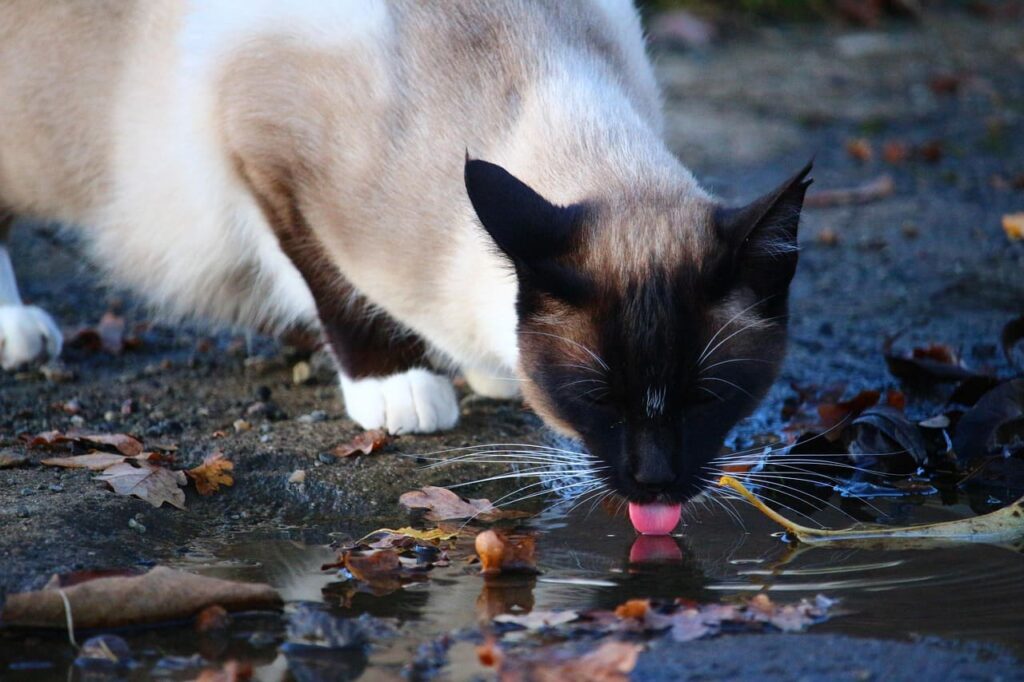
Fresh water is essential. You can encourage hydration by using a cat water fountain, which Siamese cats usually enjoy due to their curious nature.
Treats should be kept to a minimum, around 5–10% of their daily calories. And because they are intelligent and food-motivated, treats can be useful during play or training sessions.
A balanced, meat-focused diet keeps the Siamese energetic, bright-eyed, and healthy throughout their long lifespan.
7. Price in the UK
The price in the UK of the Siamese varies depending on colour, lineage, and breeder reputation. On average, a healthy Siamese kitten from a responsible UK breeder costs between £700 and £1,200. Seal point and blue point kittens are typically the most common and fall within this range.
However, rare colours or show-quality Siamese kittens — especially those with exceptional pedigree — can cost £1,400 to £1,800 or more.
For those who prefer adoption, Siamese cats occasionally appear in rescue centres or breed-specific rescue groups across the UK. Adoption fees usually range from £80 to £200, depending on the organisation and the cat’s age.
While the initial cost may vary, Siamese cats are low-grooming and long-living, making them a valuable and emotionally rewarding companion for many years.
Why the Siamese Is Perfect for UK Homes
Understanding why the Siamese is perfect for UK homes becomes clear once you see how naturally this breed fits into British lifestyles. Siamese cats love interaction, warmth, and companionship — all things commonly found in UK households, whether small city flats or spacious family homes.
Their short coat makes them easy to maintain in environments where grooming time is limited. Their love of company means they are ideal for students, work-from-home professionals, couples, and families who enjoy spending time with their pets.
Siamese cats also adapt well to indoor life, which is perfect for UK homes where outdoor access is not always safe or available. They thrive in cozy spaces with soft blankets, window views, and engaging toys.
Their playful, social behaviour makes them wonderful companions for children and other pets. And because they love routine, they fit perfectly into structured household schedules.
Overall, the Siamese brings charm, intelligence, conversation, and companionship to every UK home — a breed full of heart and personality.
Pros & Cons of the Siamese
Understanding the pros and cons of the Siamese helps you see whether this energetic, affectionate breed matches your lifestyle. Siamese cats offer deep companionship and intelligence, but they also require attention and mental stimulation.
✅ Pros
1. Extremely Affectionate
They bond strongly with their humans and enjoy being part of daily life.
2. Highly Intelligent
They learn routines, commands, and even small tricks with ease.
3. Low Grooming Needs
Their short coat is easy to maintain and sheds minimally.
4. Great for Indoor Living
They thrive as indoor cats, making them perfect for UK apartments and houses.
5. Wonderful With Families
Their social, playful nature makes them excellent with children and other pets.
❌ Cons
1. Very Talkative
Siamese cats meow frequently and loudly; quiet homes may find them too vocal.
2. Need Attention
They dislike being left alone and do best with company.
3. Sensitive Stomachs
They can be picky eaters and may need high-quality, gentle diets.
4. Energetic and Curious
They need mental stimulation, toys, and playtime to stay happy.
5. Strong Emotional Attachment
They can experience separation anxiety if ignored or left alone too long.
Final Thoughts: Is the Siamese Right for You?
The Siamese Cat UK is one of the most expressive, intelligent, and emotionally connected breeds you can bring into your home. Throughout this guide, we explored the history and origin of the Siamese, their unique appearance, playful temperament, simple grooming needs, health considerations, diet, price in the UK, and why this vocal, social breed fits beautifully into British homes.
Siamese cats are not quiet background pets — they are active, loving, and fully involved in your daily life. They bring warmth, conversation, and deep companionship to anyone who welcomes them.
Yes, they need attention.
Yes, they can be loud.
And yes, they require stimulation and emotional connection.
But these small challenges are nothing compared to the love, intelligence, and personality they bring into your home.
If you want a cat that communicates, bonds deeply, and becomes a true part of your everyday life, the Siamese is an unforgettable choice — elegant, talkative, and full of heart.
FAQs about Siamese Cat UK
1. Are Siamese cats good indoor pets?
Yes, Siamese cats thrive indoors and prefer being close to their families.
2. How much does a Siamese cat cost in the UK?
Prices usually range from £700 to £1,200, depending on breeder and colour.
3. Do Siamese cats shed a lot?
They shed minimally due to their short, smooth coat.
4. Are Siamese cats good with children?
Yes, they are playful, gentle, and enjoy family activities.
5. Do Siamese cats meow a lot?
Yes, they are one of the most vocal cat breeds and love “talking.”
6. How long do Siamese cats live?
Most live 12 to 20 years with good care.
7. Are Siamese cats affectionate?
Very. They bond deeply with their owners and crave attention.
8. What should I feed a Siamese cat?
A high-protein, meat-based diet is best for their energy and digestion.
9. Can Siamese cats be left alone?
Not for long periods. They prefer companionship and interaction.
10. Are Siamese cats easy to groom?
Yes, their short coat requires only occasional brushing.