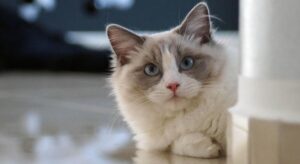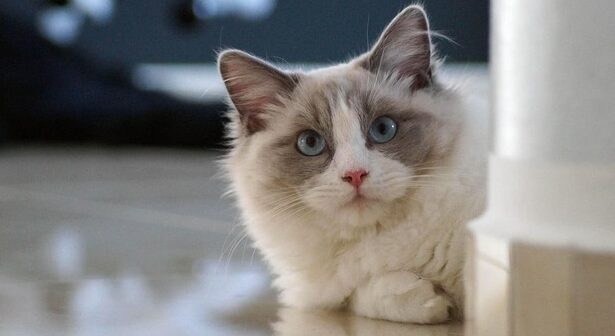
The Ragdoll is one of the softest, sweetest, and most affectionate cat breeds you can bring into a UK home. Known for their striking blue eyes and silky fur, these cats truly live up to their name — relaxing in your arms like a floppy doll and offering a calm, gentle presence wherever they go.
Ragdolls are loved for their warm, people-focused personality. They follow their owners from room to room, enjoy quiet company, and settle beautifully into family life. Whether you live in a small flat or a spacious house, the Ragdoll adapts easily, bringing softness and peace into any environment.
In this complete guide, we’ll explore everything that makes the Ragdoll Cat UK such a popular choice: their temperament, care needs, grooming routine, price in the UK, and whether this affectionate breed truly fits your lifestyle.
Let’s dive into the charm, beauty, and gentle nature of the Ragdoll — a cat that turns any home into a more loving place.
1. History & Origin
The Ragdoll has one of the most interesting histories in the cat world, and understanding its origins helps explain why this breed is so gentle and loving today. The breed began in the 1960s in California, where a breeder named Ann Baker noticed something unique about a calm, semi-longhaired cat named Josephine. Her kittens were unusually relaxed when held — almost “floppy” — and had a naturally sweet temperament.
Through thoughtful and selective breeding, Ann strengthened these traits, shaping the Ragdoll into a friendly, people-oriented companion. As the breed grew in popularity across the United States, it slowly made its way to Europe and eventually to the UK, where families fell in love with its soft personality, peaceful nature, and ragdoll cat’s blue eyes.
Today, the Ragdoll Cat UK is known for being one of the most affectionate and gentle breeds — a cat that brings warmth, calmness, and loyalty into every home.
2. Appearance & Characteristics
The appearance and characteristics of the Ragdoll are a big part of why this breed stands out instantly. With their striking blue eyes, silky semi-long fur, and soft expression, Ragdolls are often described as one of the most beautiful cat breeds in the world.
Their body are large, strong, and surprisingly muscular, even though their calm posture makes them look gentle and relaxed. Ragdolls have a long, fluffy tail, a broad chest, and a smooth, elegant bone structure that gives them a graceful presence in any home.
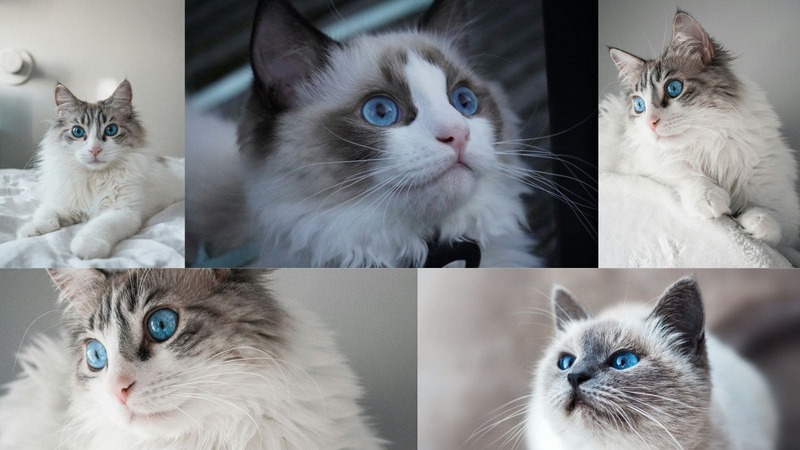
One of their most iconic features is their colour-point pattern—meaning their ears, face, tail, and paws are darker than the rest of their body. Popular colours include seal, blue, chocolate, lilac, red, and cream. Some Ragdolls also come in beautifully blended patterns like mitted, bicoloured, or lynx-point.
Their fur is soft and silky rather than heavy or wool-like, which makes them cleaner and easier to groom than many long-haired breeds. And even though they look like a luxury cat, they’re surprisingly low-shedding compared to other long-haired types.
Every part of the Ragdoll’s appearance matches its personality — gentle, calm, and irresistibly soft.
3. Personality & Temperament
The personality and temperament of the Ragdoll are what make this breed truly unforgettable. Ragdolls are gentle, calm, and deeply affectionate — the kind of cats who choose peaceful companionship over chaos. They are famously known as “puppy-like cats” because they follow their owners from room to room, enjoy being held, and love being close to their people.
Unlike hyperactive breeds, the Ragdoll prefers soft play, slow cuddles, and quiet attention. They don’t jump around wildly or demand constant entertainment. Instead, they offer a warm, steady presence, making them perfect for families, older adults, and anyone who wants a loving indoor companion.
Another special trait is their trust. Ragdolls relax completely when picked up, which is where their name comes from. They enjoy cuddles, belly rubs, gentle brushing, and even calm guests — their friendly nature makes them great with kids and other pets too.
They’re social cats who love company, but they’re never overwhelming. Their calm behaviour, patience, and affectionate spirit make the Ragdoll one of the best family-friendly cat breeds in the UK.
4. Grooming & Care
The grooming and care of the Ragdoll is much easier than most people expect, especially for a cat with such beautiful, silky fur. Their coat is long and luxurious, but it doesn’t mat or tangle as quickly as other long-haired breeds. This makes them surprisingly low-maintenance for busy families and first-time cat owners.
A gentle brushing two to three times a week is usually enough to keep their coat smooth and shiny. During spring and autumn shedding seasons, you might brush a little more often — and most Ragdolls enjoy the extra attention anyway.
Because they are calm indoor cats, they benefit from short daily play sessions. A feather wand, ribbon toy, or soft ball keeps them active without overwhelming them. Ragdolls don’t need high jumping spaces; instead, they enjoy soft, cozy spots to rest, nap, and watch the home quietly.
Regular care routines also help maintain their health:
• Fresh water available all day
• Clean litter box
• Occasional nail trimming
• Weekly ear checks
• Light brushing around their fluffy tail and chest
Ragdolls are deeply people-oriented, so they enjoy being part of your routine — whether you’re brushing them, feeding them, or simply sitting nearby. Their grooming needs are gentle, simple, and comforting — just like their personality.
Baby Ragdoll cats require a lot of attention and care to ensure they grow up healthy and well-adjusted. It’s important to provide them with a balanced diet suitable for their age, plenty of playtime for mental and physical stimulation, and regular veterinary check-ups. Additionally, grooming is essential to prevent matting in their long fur, and creating a comfortable and safe environment is crucial for their development.
5. Health & Lifespan
The health and lifespan of the Ragdoll are generally positive, especially when they receive proper care, a balanced diet, and regular vet checkups. Ragdolls are known for being strong, gentle, and long-living indoor cats. On average, they live between 12 to 17 years, and many live even longer when raised in calm, stable homes.
To determine a ragdoll cat’s age, you can start by examining its teeth. Younger cats typically have bright white teeth, while older cats may have some yellowing or tartar buildup. Additionally, you can observe their behavior and energy levels, as kittens tend to be more playful and energetic compared to more mature, calmer adult cats.
Because they are a selectively developed breed, Ragdolls can be prone to a few health conditions. The most well-known is hypertrophic cardiomyopathy (HCM) — a heart condition found in many purebred cats. Responsible UK breeders usually screen for this, so choosing a breeder who tests their cats is very important.
Ragdolls may also be slightly prone to:
• Kidney issues
• Bladder stones
• Weight gain (due to low activity)
| Approximately 12 years is the average lifespan of a cat, according to Blue Cross. However, some cats can live as long as 20 years in good health. If we care about ragdoll cat behavior, then we ragdoll cat average lifespan/average lifespan of a ragdoll cat |
However, these risks stay manageable with routine vet visits, active playtime, and a healthy diet. What makes Ragdolls unique is their gentle lifestyle. They’re not jumpers, climbers, or high-energy cats, which reduces the risk of injuries. Their calm temperament supports good long-term health, especially when they’re kept indoors.
Overall, the Ragdoll is a sturdy, loving breed with a long lifespan — a perfect companion for families who can offer gentle care and steady affection.
6. Diet & Feeding
The diet and feeding of the Ragdoll play a big role in keeping this gentle breed healthy, active, and comfortable. Because Ragdolls are calm, low-energy cats, they can gain weight easily if their meals aren’t well-balanced. A proper diet helps maintain their muscle strength, shiny coat, and long-term health.
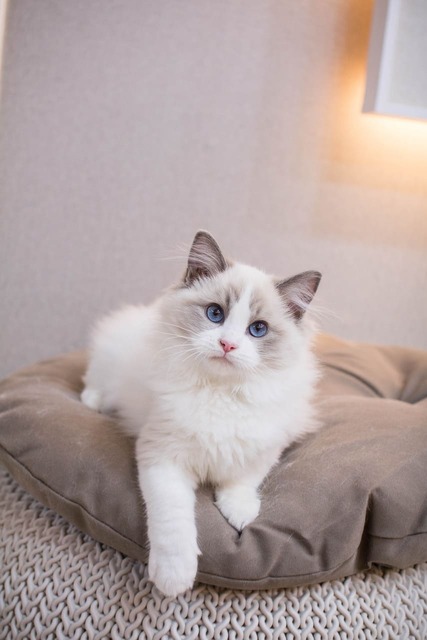
Ragdolls do best on a high-quality, high-protein diet, with real meat like chicken, turkey, fish, or beef as the first ingredient. Their bodies rely on protein to support their strong build, slow metabolism, and steady growth.
When choosing food, look for labels such as:
• “High-protein”
• “Grain-free”
• “Indoor cat formula.”
• “Sensitive stomach formula” (if needed)
Portion control is very important.
Two measured meals a day help prevent overeating and keep their weight stable. Avoid leaving food out all day — Ragdolls will snack out of boredom.
Healthy treats are fine, but keep them under 10% of daily calories. Crunchy dental treats can also help support oral health, which is especially useful for this breed.
Water is another key part of their diet.
Ragdolls often enjoy drinking from cat fountains because the flowing water encourages them to drink more, helping kidney and bladder health.
In short, a diet rich in protein, low in fillers, and properly portioned will keep your Ragdoll strong, healthy, and full of gentle energy.
7. Price in the UK
The price in the UK of the Ragdoll can vary widely depending on colour, pedigree, breeder reputation, and location. On average, you’ll typically find Ragdoll kittens from reputable UK breeders priced between £900 and £1,600. The classic coat patterns and popular colours tend to fall closer to the lower end of the range, while rare colours and show-quality bloodlines support higher prices.
If you’re seeking a show-standard Ragdoll with champion lineage, you may find prices rising to £2,000 or more, especially for rare colours such as lilac, chocolate, or colour-points with exceptional traits.
For those looking at adoption, Ragdolls occasionally appear in rescue centres and adoption groups across the UK. The ragdoll cat adoption fee is usually significantly lower — often between £150 and £300 — but you may have to wait for the right opportunity.
When budgeting for a Ragdoll Cat UK, remember to include ongoing costs — food, vet checkups, vaccinations, grooming tools, and accessories. Although the initial price may feel high, the breed’s calm nature, affectionate personality, and longevity make it a valuable long-term companion.
Why the Ragdoll is Perfect for UK Homes
There are many indoor cat breeds, but few match the gentle charm of the cute Ragdoll cat. Understanding why the Ragdoll is perfect for UK homes comes down to their soft personality, peaceful behaviour, and deep affection for their families.
Ragdolls love being indoors, which fits perfectly with the UK lifestyle — whether you’re living in a small flat in London or a quiet family house in Manchester. They don’t require outdoor space or high activity levels. Instead, they prefer cozy corners, warm blankets, and soft companionship.
The UK’s cooler climate also suits them beautifully.
Their silky, semi-long coat keeps them comfortable all year round without overheating or discomfort.
What truly makes them ideal for UK households is their temperament.
Ragdolls are gentle with children, calm around guests, and friendly with other pets. They don’t jump, scratch furniture aggressively, or demand constant attention. Instead, they offer quiet loyalty and a comforting presence — perfect for busy professionals, students, or families who want a soft-hearted indoor cat.
They also adapt quickly to routines, making them great for apartment living, work-from-home lifestyles, and peaceful evenings indoors. If you want a friendly, affectionate, low-stress companion, the Ragdoll fits almost every type of British home.
Pros & Cons of the Ragdoll
Understanding the pros and cons of the Ragdoll helps you decide whether this gentle, affectionate breed is the right match for your lifestyle. Like every cat, the Ragdoll has its strengths and a few small challenges — but their calm nature and loving temperament make them one of the most popular indoor cats in the UK.
✅ Pros
1. Extremely Gentle & Affectionate
Ragdolls are known for being one of the sweetest cat breeds. They love being close to their humans and enjoy cuddles and gentle attention.
2. Perfect Indoor Cat
They adapt beautifully to flats, apartments, and quiet homes. Their calm behaviour makes them ideal for indoor living.
3. Great With Kids & Other Pets
Ragdolls rarely show aggression. They’re patient, tolerant, and friendly with children, dogs, and other cats.
4. Low-Maintenance Coat
Despite their long fur, Ragdolls don’t mat easily. Their silky coat is easier to manage than most long-haired breeds.
5. Beautiful Appearance
Silky fur, blue eyes, colour-point patterns — they are visually stunning.
❌ Cons
1. Very Dependent on Human Company
Ragdolls don’t like being left alone for long hours. They need companionship to stay happy.
2. Prone to Weight Gain
Because they’re calm and low-energy, they need controlled portions and regular play.
3. Risk of Heart or Kidney Conditions
HCM and kidney issues can appear in some lines. Choosing a good breeder is important.
4. Not Very Independent
If someone wants a cat that prefers to stay alone, a Ragdoll Cat UK may not be the best fit.
5. Higher Grooming Needs Than Short-Haired Cats
Still low-maintenance compared to long-haired breeds — but brushing is required.
Final Thoughts: Is the Ragdoll Right for You?
The Ragdoll Cat UK is one of the most loving, gentle, and family-friendly breeds you can bring into your home. Throughout this guide, we explored everything that makes this breed special — from the history and origin of the Ragdoll, to its beautiful appearance, calm personality, simple grooming needs, and even the Ragdoll cat average price in the UK.
When you put all these pieces together, it becomes clear why this breed is adored across Britain.
Ragdolls offer soft companionship, quiet loyalty, and a comforting presence that fits perfectly into modern UK homes — whether you live alone, with family, or even with other pets.
Of course, they come with a few small challenges.
They depend on human company, can gain weight easily, and need regular brushing.
But compared to their gentle nature, friendly behaviour, and long lifespan, these are minor details.
If you’re looking for a cat that brings peace, affection, and sweetness into your life — a cat that follows you softly, sleeps near you, and loves your presence — the Ragdoll is a beautiful choice.
This breed doesn’t just live in your home…
It becomes part of your heart.
1. Are Ragdoll cats good indoor pets?
Yes, Ragdolls are one of the best indoor cat breeds due to their calm and gentle nature.
2. How much does a Ragdoll cat cost in the UK?
In the UK, Ragdoll kittens usually cost between £900 and £1,600, with rare colours costing more. Prices for an adult Ragdoll cat may be lower if adopting
3. Do Ragdoll cats get along with children and dogs?
Yes, Ragdolls are extremely friendly and patient, making them great with kids and other pets.
4. Are Ragdoll cats high maintenance?
Not really. Their silky fur requires brushing 2–3 times a week, but it doesn’t mat easily.
5. How long do Ragdoll cats live?
Ragdolls typically live 12–17 years, sometimes even longer, with good care.
6. Do Ragdoll cats shed a lot?
They shed moderately. Regular brushing reduces shedding and keeps the coat healthy.
7. Are Ragdolls suitable for apartments or small homes?
Absolutely. Their low-energy, calm personality makes them perfect for flats and indoor living.
8. Can Ragdoll cats be left alone?
Not for long hours. Ragdolls are social and prefer company, so they need attention or a companion pet.
9. What should I feed a Ragdoll cat?
A high-protein diet with controlled portions works best to maintain a healthy weight.
10. Are Ragdoll cats easy to train?
Yes, they’re intelligent and respond well to routine, simple commands and positive reinforcement.
Are ragdoll cats hypoallergenic?
Ragdoll cats are not hypoallergenic, as they still produce the Fel d 1 protein found in cat saliva, skin, and fur, which triggers allergies in sensitive individuals. However, they may cause fewer allergic reactions than other breeds due to their low-shedding coat and lower dander production.