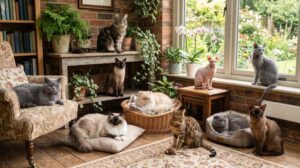
The British Shorthair isn’t just another cat in the UK — it’s a symbol of charm, calmness, and that classic “teddy-bear face” everyone falls in love with. With their plush blue coats, round golden eyes, and gentle nature, it’s no surprise they’ve become the nation’s favourite feline. We cover a Complete Guide to the Nation’s Favorite Feline (2025).
Whether you live in a busy city apartment or a quiet countryside home, this breed adapts effortlessly. British Shorthairs are well-known for their independence, steady temperament, and the kind of affection that feels warm but never demanding. They’re the type of cats that enjoy being near you, not on top of you — a perfect balance for modern UK lifestyles.
In this complete guide, you’ll discover everything that makes the British Shorthair Cat UK so special. From their origins and personality to grooming, care, and price in the UK, this article will help you determine whether this iconic breed is a good fit for your home and heart.
Let’s explore the beauty, elegance, and quiet confidence of the British Shorthair — a cat that has been winning hearts in Britain for generations.
1. History & Origin
The British Shorthair has a story that goes much deeper than its cute, round face. This breed is believed to be one of the oldest cat types in the world, with roots going back to the Roman era, when soldiers brought sturdy, short-haired cats to Britain to protect food supplies from mice.
Over time, these strong little hunters interbred with native British street cats, gradually developing the thick coat and calm personality that we now love.
By the late 1800s, the British Shorthair finally stepped into the spotlight as a show cat, especially the famous British Blue — the version everyone instantly recognizes today.
What makes this breed even more interesting is its natural adaptation to the UK’s cold and damp weather.
Its dense, plush fur was never designed for glamour; it evolved for survival.
That’s why this cat remains one of the best-suited breeds for British homes, both modern and traditional. The British Shorthair Cat UK is at the top of our best breeds in uk.
Even today, the British Shorthair is seen as a symbol of comfort, steadiness, and old-school British charm — the kind of cat that feels like it has always belonged here.
2. Appearance & Characteristics
The British Shorthair has a look that’s almost impossible to forget. Their thick, velvety coat and round face give them that classic “teddy bear” charm that so many people fall in love with. It’s one of the few breeds where the personality and the appearance match perfectly — soft, calm, and wonderfully steady.
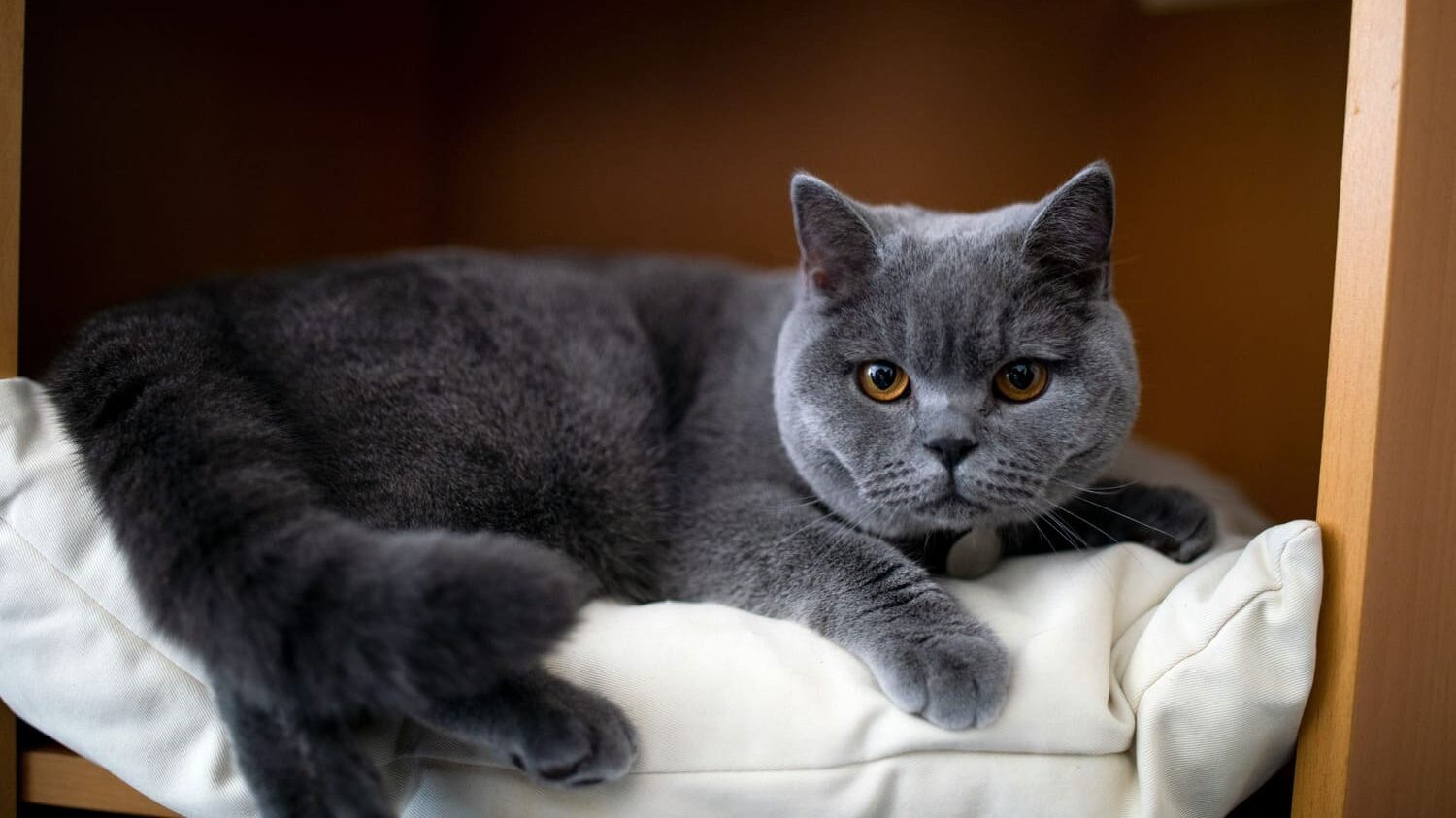
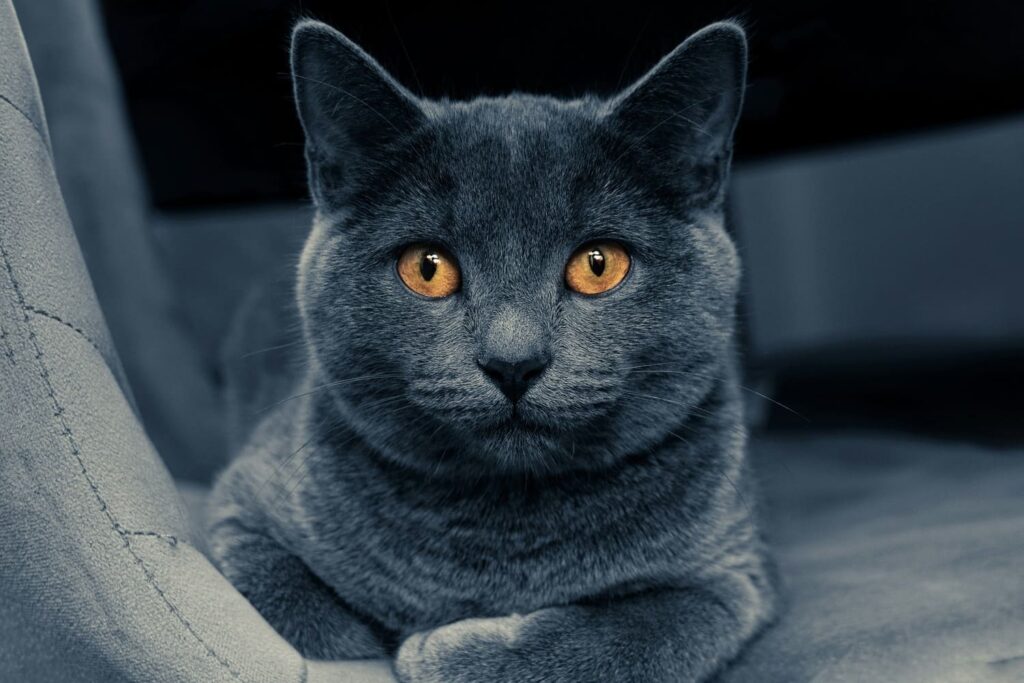
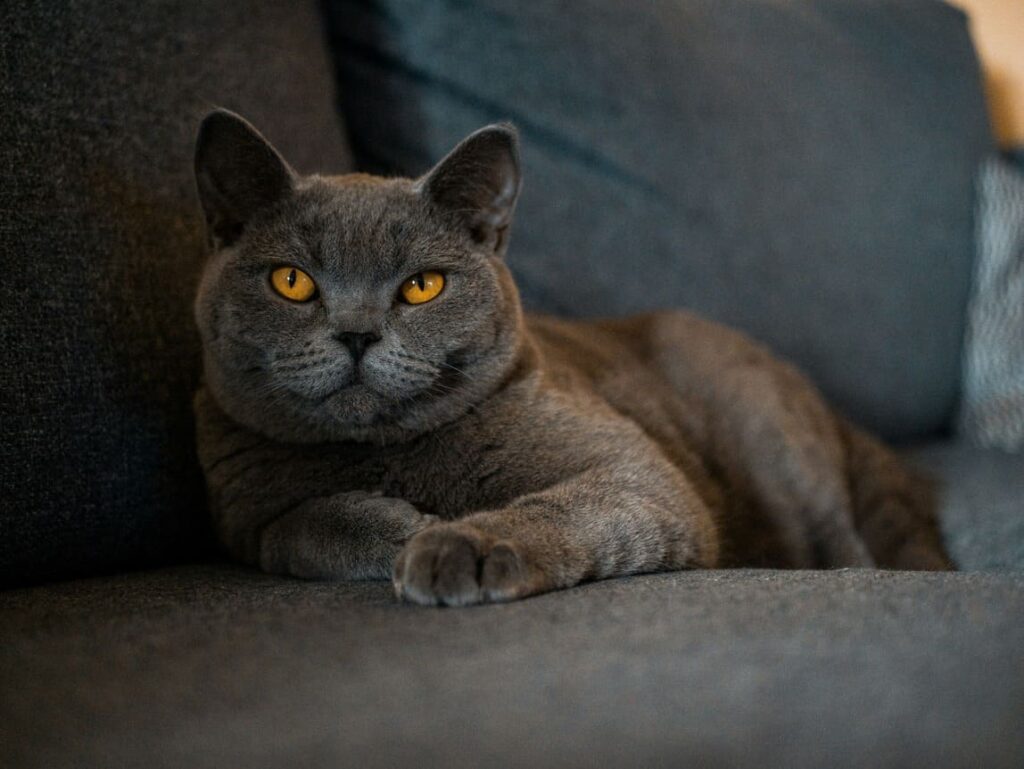
Their bodies are sturdy and well-built, with strong legs and a broad chest, giving them a confident but gentle presence. The most famous version, the British Blue, carries a beautiful smoky-grey coat paired with warm golden-copper eyes, also known as grey british shorthair.
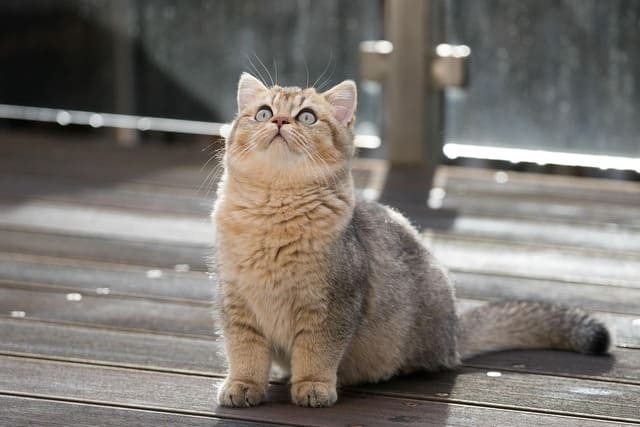
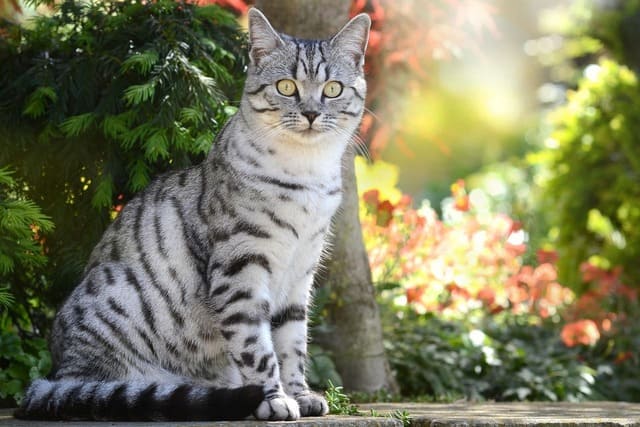
British Shorthair different colours include blue, black, white, lilac, bi-colour, cream, and tabby patterns. These cats are known for their dense, plush coats and round faces. Their variety of shades makes them highly sought after as pets. Some rare colors, like cinnamon or fawn, are less common but equally charming.
Another thing people love is their dense double coat, which makes them ideal for the UK climate. It’s plush, thick, and almost cloud-like to touch, but surprisingly low-maintenance compared to other fluffy breeds.
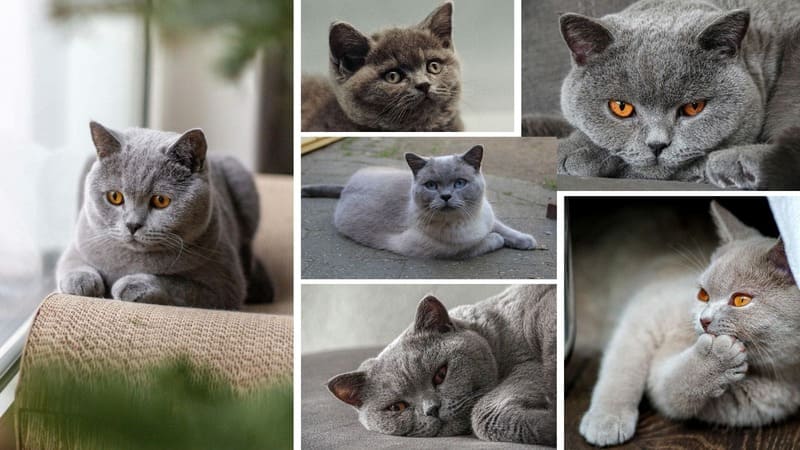
Grey British Shorthair.
“While many cats can have a blue or tabby coat, the British Shorthair is defined by its unique body structure. Look for a broad, round face with full, chubby cheeks, a thick neck, and a stocky, muscular ‘cobby’ body with short, strong legs. This sturdy, rounded build is the hallmark of the breed, setting it apart from other domestic shorthairs.”
The British Shorthair and tabby mix often features a robust and stocky build with a plush, dense coat. Its fur may display the classic tabby markings, such as swirling patterns and stripes, combined with the solid colors typical of the British Shorthair. This mix usually has round, expressive eyes that can range from amber to blue.
Furthermore, British Shorthair blue eyes are a rare and striking feature in this breed, often associated with specific genetic traits. While not all British Shorthairs have blue eyes, those that do are particularly prized for their unique appearance. However, blue-eyed cats may sometimes have hearing issues linked to their genetics.
Even their expression is unique — those big, round eyes, small ears, and slightly chubby cheeks create a face that always looks gentle, thoughtful, and quietly amused. It’s a look that feels comforting in a home, almost like a calm friend who observes everything with quiet curiosity. Moreover, a cat that looks like a British Shorthair but is actually not, just carries the breed’s trait, is called a domestic British Shorthair.
3. Personality & Temperament
The British Shorthair has one of the most comforting personalities you’ll find in a cat. They’re calm, well-mannered, and incredibly easy to live with — the kind of pet that naturally brings a feeling of peace into a home.
Unlike overly clingy breeds, the British Shorthair enjoys being close to you without demanding attention all the time. They’ll sit near you while you work, curl up on a nearby chair, or quietly follow you from room to room. It’s a soft, steady companionship that many people in the UK love. They’re also known for their balanced nature.
Not too active.
Not too lazy.
Just perfectly in between.
British Shorthairs enjoy short play sessions, especially in the evening, but they’re never hyper or chaotic. Their laid-back attitude makes them one of the best indoor cat breeds in the UK, especially for professionals, families, and even seniors.
Another wonderful trait is their patience. They handle children gently, adapt to new homes calmly, and rarely show aggression. Even with other pets, they prefer peace over conflict. Overall, their temperament can be described in three words: steady, gentle, and trustworthy.
4. Grooming & Care Tips
Taking care of a British Shorthair is surprisingly easy, which is one reason why this breed is loved all over the UK. Their thick, plush coat may look high-maintenance, but it actually requires far less work than many long-haired breeds.
A simple brushing two to three times a week is usually enough to keep their fur smooth and reduce shedding around the house. During spring and autumn shedding seasons, a quick daily brush can help manage loose hair — and most British Shorthairs enjoy the gentle attention anyway.
Even though they’re not overly active cats, they can gain weight easily. So a little daily playtime helps keep them healthy. A feather toy, a laser light, or even a soft ball is enough to keep them moving. They’re not the type to climb curtains or jump around the house, but they do appreciate some short, calm exercise. When it comes to general care, this breed prefers routine. Like Fresh water, Clean litter, and a quiet feeding corner.
These small habits make a big difference for their comfort. Dental care is also important for British Shorthairs. Giving dental treats or using cat-safe toothpaste once or twice a week can help prevent issues later in life. Overall, their care routine is simple, gentle, and completely manageable — perfect for both new and experienced cat owners in the UK.
5. Health & Lifespan
The British Shorthair is generally one of the healthiest and longest-living cat breeds in the UK. With proper care, they often live between 12 to 20 years, which makes them a wonderful long-term companion for families and individuals alike.
The British Shorthair average lifespan is generally 12 to 14 years, which is relatively shorter than some other cat breeds, like the Siamese, which can live up to 20 years. However, with proper nutrition and regular veterinary check-ups, British Shorthairs can often enjoy longer, healthier lives. In comparison, the Maine Coon breed also tends to have a longer lifespan, ranging from 13 to 15 years on average.
British Shorthair age span completion: British Shorthairs are known for their robust health and typically enjoy a long lifespan. Their longevity can be attributed to their strong genetic makeup and relatively low predisposition to genetic diseases.
Because they’re a naturally developed breed — not overly engineered — they avoid many extreme health issues. Their strong build and calm nature also make them less prone to stress-related problems. However, like all breeds, they do have a few things you should keep an eye on.
One of the most common concerns is weight gain. British Shorthairs love food, and their slow, relaxed lifestyle means the pounds can creep up easily. Maintaining a healthy diet and encouraging light playtime helps keep them fit.
They can also be slightly prone to dental issues, so a simple weekly routine of dental treats or pet-safe toothpaste can make a big difference in the long run.
A smaller percentage may develop hypertrophic cardiomyopathy (HCM), a heart condition found in many pure breeds. Responsible UK breeders usually screen for this, so choosing a good breeder or adoption center is important.
Overall, with regular vet checkups, a balanced diet, and a calm home environment, the British Shorthair stays healthy, strong, and happy for many years. Their gentle lifestyle and sturdy build make them one of the most reliable, low-maintenance cats you can have in the UK.
6. Diet & Feeding
Feeding a British Shorthair is all about balance. They love food — sometimes a little too much — so giving them the right diet helps keep them healthy and prevents weight gain, which this breed can be prone to.
A good British Shorthair diet should focus on high-quality protein, coming from chicken, turkey, fish, or beef. Since they are naturally muscular cats, protein keeps them strong and supports their slow, steady metabolism.
Avoid foods that are heavy in fillers like corn or wheat. These add calories but not nutrition. Instead, look for cat foods labeled as “high-protein,” “grain-free,” or “for indoor cats, especially from trusted UK brands.
You can also offer healthy treats, but keep them under 10% of the daily calories. British Shorthairs appreciate crunchy treats, especially ones that help with dental health. Fresh water should always be available. Some British Shorthairs enjoy drinking from cat fountains — it keeps the water moving and makes them drink more, which supports kidney health.
- Portion control is important.
- Two measured meals a day work best for most adults.
- This helps prevent overeating and keeps their weight stable.
The best British shorthair dry food should be high in protein, low in carbohydrates, and contain essential nutrients like taurine for heart health. Look for options with real meat as the primary ingredient and avoid artificial additives. Brands like Royal Canin or Hill’s Science Diet often provide balanced nutrition tailored to this breed’s specific needs.
| In short, a balanced diet, proper portions, and a few playful moments each day will keep your British Shorthair in excellent condition, inside and out. Take a look at this cat feeding guide to take care of your pet cats. Source: cat.org.uk |
7. British Shorthair Price in the UK (2025 Updated Guide)
The British Shorthair remains one of the most loved and in-demand cat breeds in the UK, and its price reflects that popularity. On average, a healthy British Shorthair kitten from a responsible breeder costs between £800 and £1,500. This is the typical range most UK owners encounter today.
Certain colours, especially the iconic British Blue, tend to fall on the higher end because of their classic look and strong demand. Rare colours or unique patterns — like lilac, chocolate, cinnamon, or colour-points — can also increase the price.
For households looking for show-quality kittens or breeding-standard lines, prices can go even higher, often reaching between £1,800 and £2,500. These kittens usually come from championship bloodlines, with extra health testing and detailed pedigree paperwork.
Adoption is another wonderful option. Rescue centres occasionally have British Shorthairs available, often at a much lower cost of £80–£150, which usually includes vaccinations, microchipping, and health checks. This makes British Shorthair adoption both meaningful and budget-friendly.
While the initial price might seem high, the British Shorthair’s calm temperament, long lifespan, and low-maintenance nature make it a worthwhile and long-lasting companion for UK homes.
8. Why the British Shorthair is Perfect for UK Homes
The British Shorthair fits naturally into UK homes in a way few other breeds do. Their calm personality, steady behaviour, and love for quiet routines blend perfectly with the modern British lifestyle. Whether you live in a small flat, a family house, or a peaceful countryside cottage, this breed adapts effortlessly.
One of the biggest reasons they suit the UK so well is their thick, plush coat, which handles cold, damp weather with ease. While many breeds prefer warm climates, the British Shorthair stays comfortable throughout the year — making them ideal for the UK’s cooler seasons.
They’re also wonderfully independent. British Shorthairs enjoy being near you, but they don’t constantly demand attention. This makes them a perfect match for busy professionals, students, and families who want a loving cat without overwhelming energy.
Their gentle temperament is another huge benefit. British Shorthairs are patient with children, calm around guests, and usually peaceful with other pets. They bring a sense of stability to the home — a quiet presence that never feels stressful or chaotic.
And perhaps the best reason of all: They are low-maintenance, clean, polite, and incredibly loyal once they bond with you. Altogether, the British Shorthair is a cat that feels made for the UK — a companion that brings comfort, warmth, and a steady kind of love into any home.
We also cover other best cat breeds. Check our blog of top 10 best cat breeds. which can help you to get the best cat breed UK for your home.
Pros & Cons of the British Shorthair
Choosing a British Shorthair is easy once you understand their nature — but like every cat breed, they come with their own strengths and little challenges. Here’s a simple breakdown to help you decide if this calm and charming feline truly fits your lifestyle.
✅ Pros
1. Calm and Gentle Nature
British Shorthairs are famously laid-back. They’re peaceful, steady, and rarely create chaos around the home.
2. Perfect Indoor Cat
This breed doesn’t need long play sessions or outdoor adventures. They’re happy, healthy, and safe indoors.
3. Low-Maintenance Coat
Their dense, plush fur may look fancy, but it’s surprisingly easy to care for — just a few brushes a week.
4. Great With Children and Other Pets
They handle noise and family life well, making them a strong choice for households with kids or multiple animals.
5. Not Clingy or Demanding
British Shorthairs enjoy your company, but also respect your space. They’re affectionate without being needy.
6. Long Lifespan
With proper care, many live 12–20 years, offering long-term companionship. The British Shorthair’s average lifespan is short, though some may live longer with proper care.
❌ Cons
1. Can Gain Weight Easily
They love food and move slowly, so portion control is important.
2. Not Very “Lap Cat” for Everyone
While affectionate, they prefer sitting near you rather than on your lap.
3. Can Be Reserved With Strangers
They warm up slowly, especially around unfamiliar people.
4. Slight Risk of Heart Conditions
A small percentage may develop HCM, a heart issue common in many pure breeds.
5. Slow Maturity
British Shorthairs take longer to grow, both physically and emotionally — some remain kitten-like until age 3–5.
Final Thoughts: Is the British Shorthair Right for You?
The British Shorthair is a complete package for UK homes. They are calm, gentle, beautiful, and wonderfully easy to care for. Throughout this guide, we explored everything that makes this breed special:
their thick plush coat, their soft and steady personality, their simple grooming needs, their balanced diet, and even their price range across the UK.
When you put all of these things together, it becomes clear why the British Shorthair Cat UK is loved by families, students, professionals, and even first-time cat owners. They adapt well to indoor living, they’re kind with children, and they bring a peaceful presence into any home without demanding constant attention.
Yes, they do have a few small challenges — they can gain weight easily, they may be a little shy with strangers, and they’re not always the type to jump into your lap. But those are tiny things compared to the comfort, loyalty, and quiet companionship they offer.
So if you’re looking for a cat that is beautiful, easy-going, long-living, and perfectly suited to the UK lifestyle, the British Shorthair might be the exact feline friend you’ve been searching for.
FAQs about British Shorthairs:
1. Are British Shorthairs good indoor cats?
Yes, British Shorthairs make excellent indoor cats. They’re calm, independent, and enjoy a peaceful home environment.
2. How much does a British Shorthair cost in the UK?
In the UK, British Shorthair kittens usually cost between £800 and £1,500, depending on colour, breeder reputation, and pedigree.
3. Do British Shorthairs shed a lot?
They shed moderately. Their dense coat benefits from brushing once or twice a week to keep loose hair under control.
4. Are British Shorthairs friendly with children?
Yes, they are known for being patient and gentle, making them a great match for families with kids.
5. How long do British Shorthairs live?
With good care, they typically live 12 to 20 years, making them one of the longer-lived cat breeds.
6. Are British Shorthairs affectionate?
They are affectionate but not clingy. They enjoy being near you but don’t constantly demand attention.
7. Do British Shorthairs get along with other pets?
Yes, their calm and friendly nature helps them get along well with other cats and even dogs.
8. What should I feed a British Shorthair?
A high-protein, balanced diet is ideal. Select high-quality cat food that promotes a healthy weight, as this breed is prone to gaining weight easily.
9. How big do British Shorthairs get?
They are medium-to-large cats. Males are often larger, weighing between 5 and 8 kg, while females typically weigh between 4 and 6 kg.
10. Are British Shorthairs easy to train?
They’re intelligent and respond well to simple routines. While they’re not the most “trick-loving” breed, they learn house rules quickly.
11. Are British Shorthair cats cuddly?
They are known for their calm, easygoing nature, which can make them quite affectionate toward their owners. However, their level of cuddliness can vary; some may enjoy being held or sitting on laps, while others prefer to stay nearby with minimal physical contact, depending on their individual personalities.
12. Are British Shorthair cats hypoallergenic?
They are not considered hypoallergenic because they produce dander and the Fel d 1 protein, which are common allergens. However, their short, dense coat may shed less than other breeds, potentially reducing allergen spread. Regular grooming and cleaning can help minimize allergic reactions for sensitive individuals.
13. Do British shorthairs shed?
British shorthairs do shed, but their short, dense coat means they shed less compared to long-haired breeds. Regular grooming can help minimize loose hair and keep their coat healthy. However, they are considered a low-maintenance breed in terms of grooming needs, making them suitable for owners who prefer less frequent brushing.